
















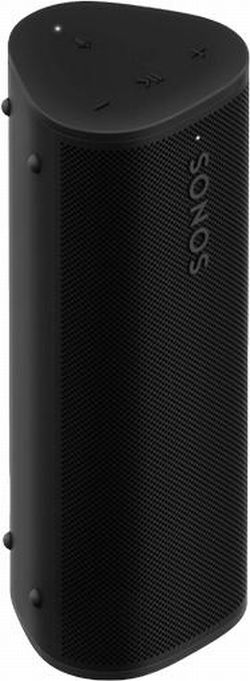


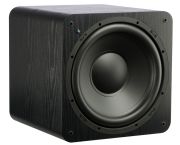


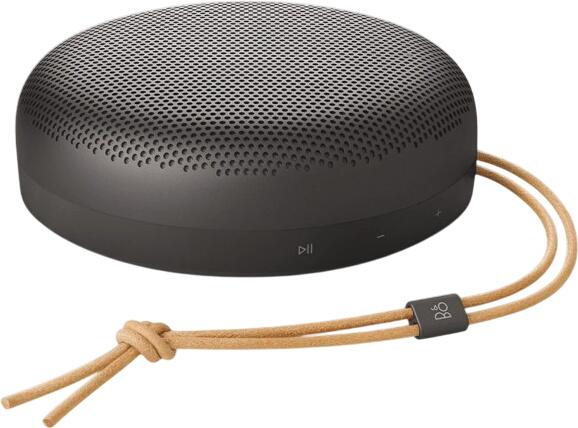





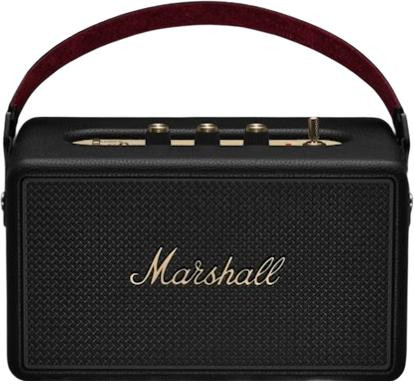
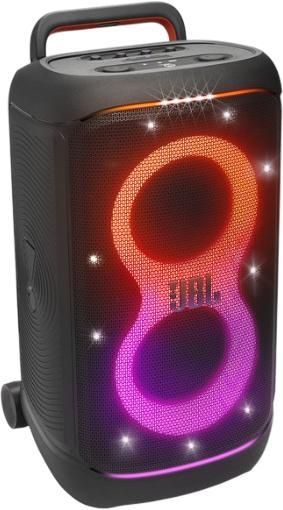

Newly Added Products

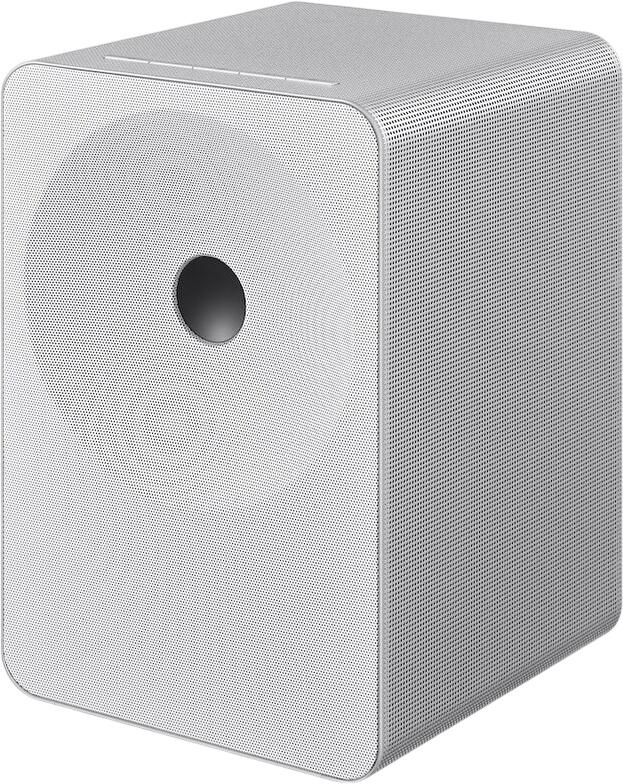










Speakers: Consumer tips

Whether you are building a proper home cinema setup, upgrading your hi-fi, or improving TV sound, the right speakers make the biggest difference to how detailed, powerful and immersive everything feels.
The key is not simply buying the biggest speakers or the highest quoted wattage. A better approach is to focus on room size, speaker type, placement, compatibility and what you actually listen to most.
Why speakers matter so much
Speakers shape the final sound you actually hear. They affect:
- clarity
- bass depth
- dialogue intelligibility
- stereo imaging
- surround effects
- how full and natural music sounds
A good set of speakers can improve films, games, TV and music far more noticeably than many buyers expect.
What do speaker specifications actually tell you?
One of the most common specs you will see is frequency response. This describes the range of sound frequencies a speaker is designed to reproduce. In simple terms:
- lower frequencies relate to bass
- higher frequencies relate to treble and fine detail
A wider quoted range does not automatically mean a speaker sounds better. Real-world sound quality depends on tuning, cabinet design, drivers, crossover quality and room placement as much as the raw specification sheet. It is usually better to treat frequency response as a comparison point rather than the single deciding factor.
What is a speaker system?
A speaker system is the arrangement of speakers used to reproduce sound in a room. The setup can be simple or more immersive, depending on what you want.
Common examples include:
- 2.0 for two stereo speakers
- 2.1 for two speakers plus a subwoofer
- 3.1 for left, right and centre speakers plus a subwoofer
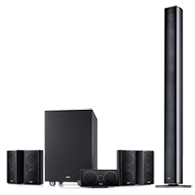
- 5.1 for a classic surround sound layout
- 7.1 and beyond for more advanced surround setups
In practice, most home buyers are deciding between a straightforward stereo setup, a soundbar-based system, or a 3.1 or 5.1 home cinema arrangement. Older advice that lists very large channel counts as though they are standard for everyone is not especially useful for typical living-room buying.
Centre speaker: why it matters for TV and films
The centre speaker is one of the most important parts of a home cinema setup because it usually handles the majority of dialogue. If voices on TV or in films are hard to hear, the centre channel is often where the difference is made.
In most home setups, the centre speaker is placed:
- directly below the TV
- directly above the TV
- on a media unit
- on a shelf aligned with the screen
The main goal is to keep dialogue sounding as though it comes from the screen itself. Good placement matters just as much as the speaker model.
If clear film and TV dialogue is a priority, a proper centre speaker can be more important than simply adding more channels around the room.
Subwoofer: what does it do?
A subwoofer handles the lowest frequencies and adds weight, depth and impact to sound. It is the part of the system that brings more authority to:
- explosions
- soundtrack rumble
- cinematic effects
- kick drums
- bass-heavy music
For most homes, an active subwoofer is the normal choice. That means it has its own built-in amplifier. Passive subwoofers are less common in mainstream home setups and usually require more specialist matching with external amplification.
A subwoofer does not need to be huge to be effective. The right choice depends on room size, listening habits and how much bass you actually want. In smaller rooms, too much subwoofer can be just as disappointing as too little.
Stereo speakers, surround speakers and soundbars
If you mainly listen to music, a strong stereo speaker pair may be a better investment than a more complicated surround system. If you watch a lot of films and streaming content, a surround setup or a strong TV-focused speaker system may make more sense.
In today’s market, buyers are comparing:
- stereo bookshelf speakers
- floorstanding speakers
- soundbars
- AV receiver-based speaker packages
- wireless multi-room speakers
- active speakers for TV and music use
That means the best setup depends on whether your priority is music, films, gaming or a mix of everything.
What accessories should you budget for?
Speaker buying is not always as simple as the main unit price. Depending on the setup, you may also need:
- speaker cable
- subwoofer cable
- stands
- wall mounts
- banana plugs
- cable management accessories
- Bluetooth or network functionality, if not built in
One common mistake is assuming everything shown in product photos is included. Speaker stands, wall brackets and even cables are often sold separately. Always check the box contents before buying.
Wired or wireless?
Wired speakers are still the standard for many hi-fi and AV receiver-based setups, especially where reliability and flexibility matter most. Wireless speakers and Wi‑Fi-enabled systems are more convenient and can reduce cable clutter, but they are often part of a more locked-in ecosystem.
If convenience matters most, wireless may be appealing. If upgrade flexibility and system matching matter more, wired separates often remain the better route.
What should you check before buying speakers?
Before choosing speakers, think about:
- room size
- whether the speakers are mainly for music or TV
- whether you already own an AV receiver or amplifier
- whether you want a subwoofer
- where the speakers will physically go
- whether stands or wall mounting are practical
- whether you need wired or wireless connectivity
A brilliant speaker in the wrong room or badly positioned can still disappoint.
Buying tips
For buyers, it is worth checking:
- whether prices include everything you need to get started
- whether stands, mounts and cables are sold separately
- whether the speaker is passive or active
- whether it is designed for use with an AV receiver, stereo amplifier or direct source connection
- whether wireless features work with your preferred home audio setup
If you are buying for a living room, also think carefully about size. Some floorstanders and larger centre speakers are much bulkier than they appear online.