






Electrical guitar: Consumer tips
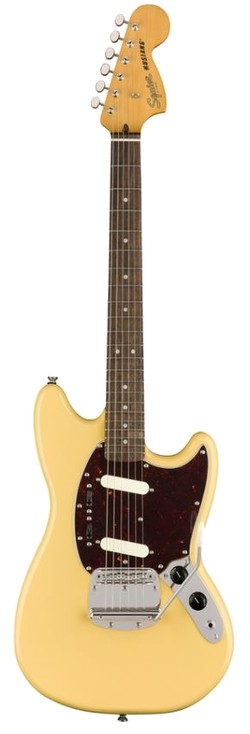
An Electrical guitar, or electric guitar, is a string instrument that converts the sound of vibrating strings into electrical signals through electromagnetic pickups. These signals are then sent via a cable or wirelessly to an amplifier, which amplifies the sound and reproduces it through a speaker. Unlike an acoustic guitar, which amplifies sound through resonance in its wooden body, the Electrical guitar produces very little sound without amplification. Electrical guitars typically consist of a solid or semi-acoustic body, a neck with frets, a headstock with tuning machines, and a bridge through which the strings are passed. Pickups, available in various types and configurations, influence the sound of the Electrical guitar and allow for a variety of tones and effects. Over the past few decades, Electrical guitars have evolved in various shapes, sizes, and designs, ensuring that there is an instrument to suit every taste and style.
The history of the Electrical guitar
As bands played in increasingly larger and louder venues in the 1920s and 1930s, guitars also needed to become louder. Acoustic guitars soon became too quiet and lacked presence. The Rickenbacker "Frying Pan" was the first commercially available electrically amplified lap steel guitar. Electrically amplified archtop guitars also came onto the market and were widely used in jazz and swing bands. The next major step came in 1950 with the first electric solid-body guitar invented by Leo Fender, the "Fender Broadcaster". This was later renamed Telecaster due to a legal dispute with Gretsch and remains one of the most popular guitar models to this day. Gibson introduced its first solid-body Electrical guitar, the Les Paul, in 1952, and its success continues to this day. Fender's response was the Stratocaster, which was released in 1954. Other models like the Gibson SG, Gibson 335, and semi-acoustic Electrical guitars were very popular in the 1960s. The electric guitar had now become an essential part of rock music and its various genres. Ibanez, BC Rich, and Jackson were the top choices for metal guitarists in the 1980s. To this day, the success of the Electrical guitar remains unbroken and can be found in most music productions. The market has grown significantly over the years, offering the right instrument for every music style.
What parts make up an Electrical guitar?
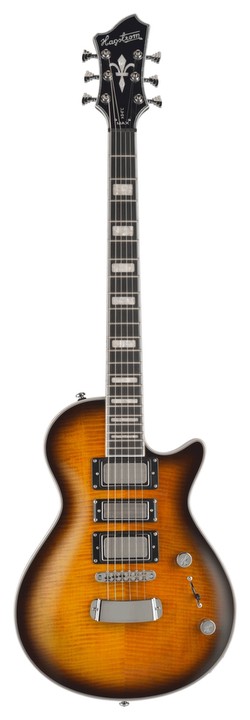
An Electrical guitar is more than just a piece of wood with two pickups and six strings. An Electrical guitar essentially consists of the body, the neck, the headstock, the electronics, the hardware, and the strings. The body can be made of wood, and less commonly, plastic or metal. Tonewoods are used that ensure good sound and long sustain. The guitar neck is glued or screwed to the body. The neck features the fretboard, frets, and nut. For decoration and better orientation, plastic or mother-of-pearl inlays are placed on the fretboard. At the end of the neck is the headstock, where the tuning machines are attached, which are used to tension and tune the strings. The body houses the pickups, which convert the vibrations of the strings into an electrical signal that is then amplified and heard as sound. The strings are attached to the bridge on the body and can be adjusted in height. A good setup is necessary for optimal playability. The body also contains the electronics, which consist of volume and tone controls (pots), a toggle switch, and an output jack for the guitar cable.
What are the most well-known manufacturers and Electrical guitar models?
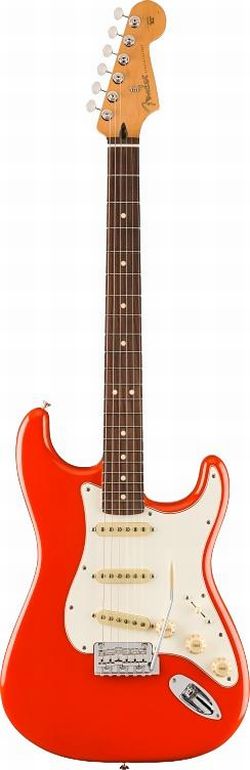
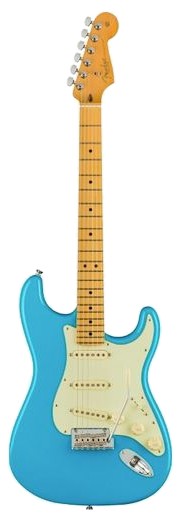
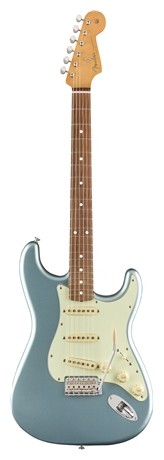
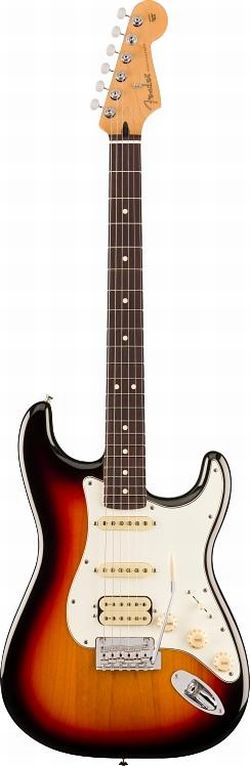
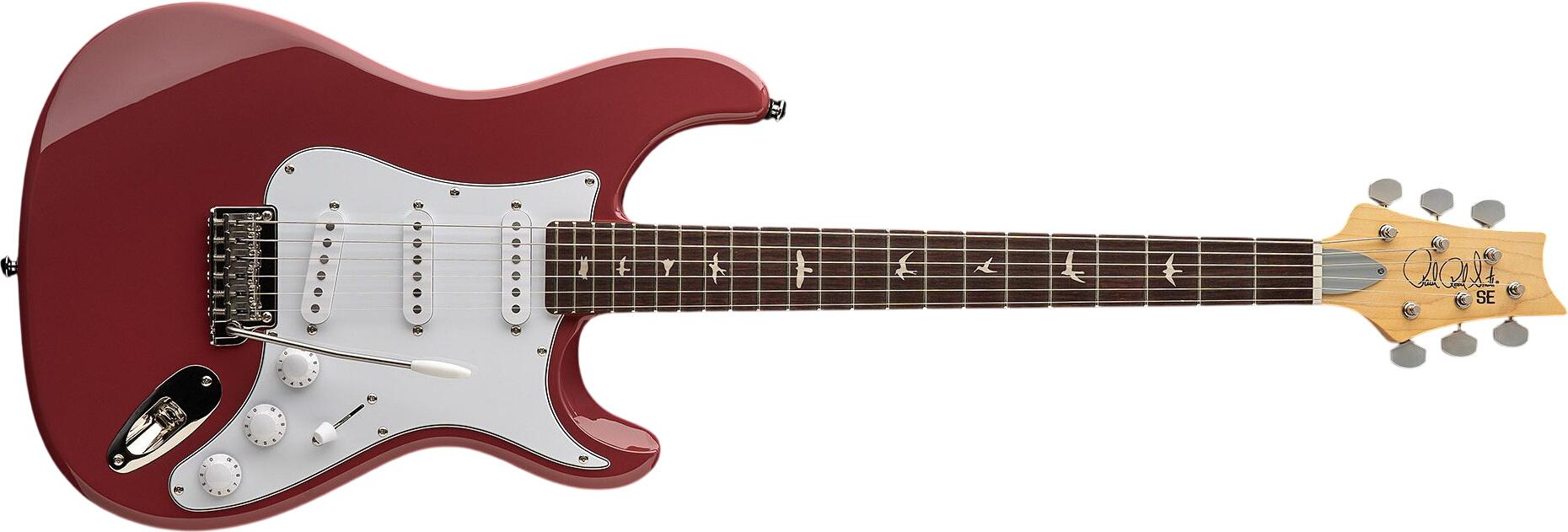
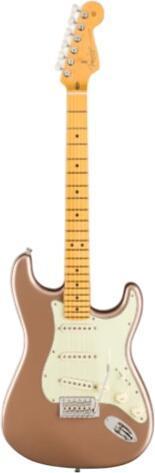
- Fender Stratocaster: It is the best-selling and most copied Electrical guitar in the world, particularly popular for its ease of playability and three singlElectrical coil pickups that allow for many sound variations. Musicians like Jimi Hendrix, Eric Clapton, and John Frusciante are especially associated with the Stratocaster.
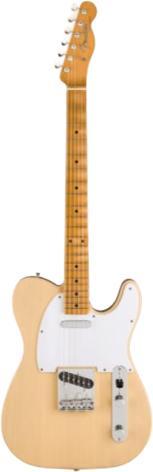
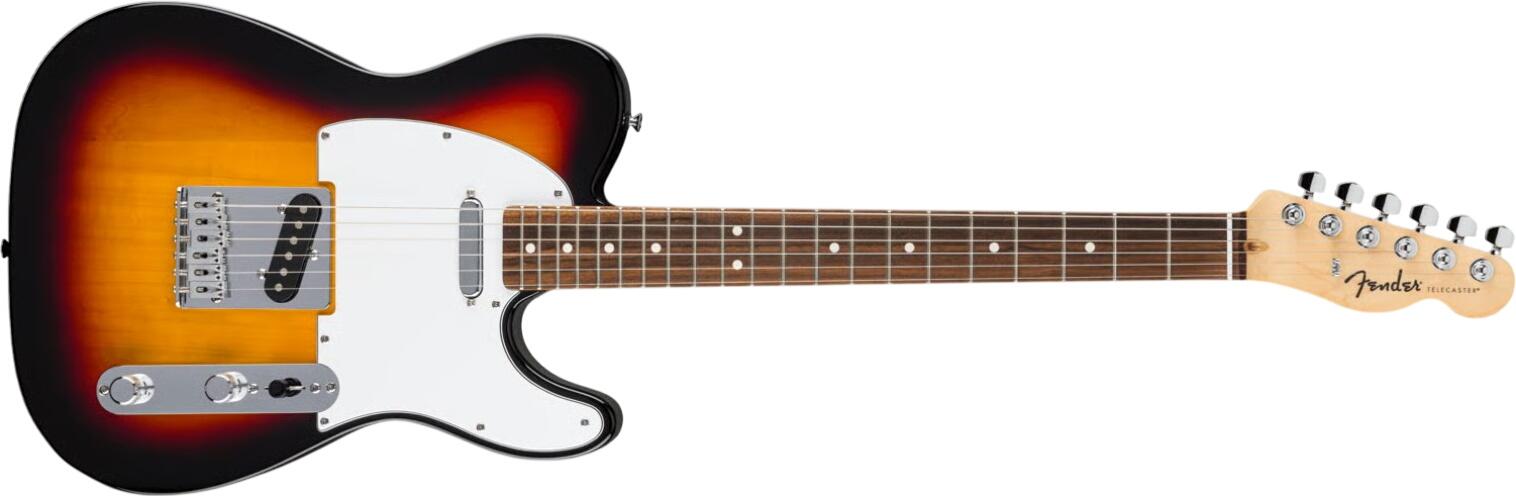
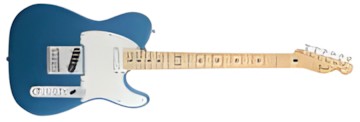
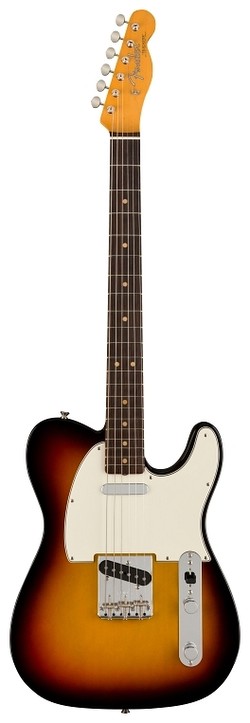
- Fender Telecaster: The first solid-body Electrical guitar and an absolute icon. It is particularly popular among country and rock musicians for its clear sound produced by two single coils. Famous players include Keith Richards, Bruce Springsteen, and the guitarists of the rock band Status Quo.
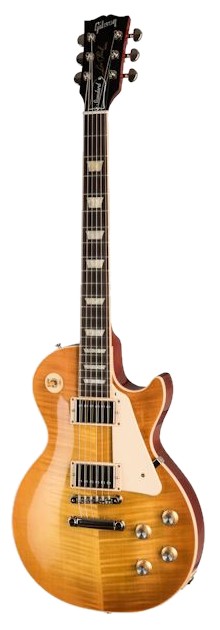
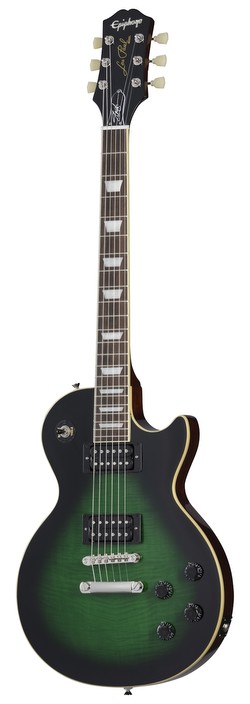
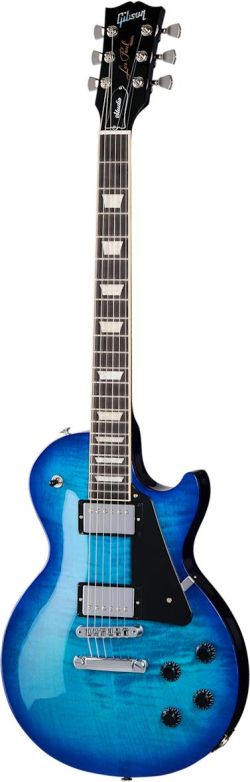
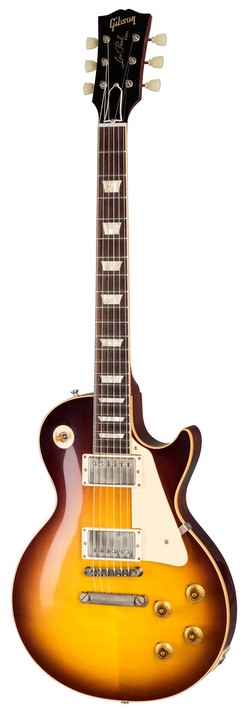
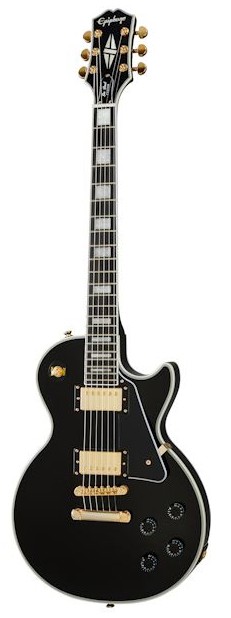
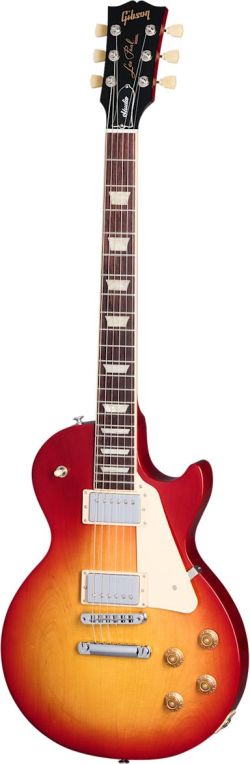
- Gibson Les Paul: The namesake of the legendary Electrical guitar is jazz musician Les Paul, who developed the model with Gibson in the early 1950s. Equipped with a thick mahogany body and maple top, as well as two humbuckers, it is famous for its round and full tone. Slash, Jimmy Page, and Billy Gibbons of ZZ Top are musicians associated with this model.
- Gibson SG: The particularly lightweight solid guitar was the successor to the Les Paul and was popular for its iconic horns and fast-playing neck. The most famous player is Angus Young of AC/DC.
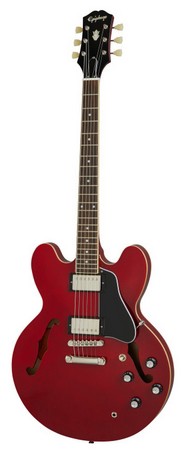
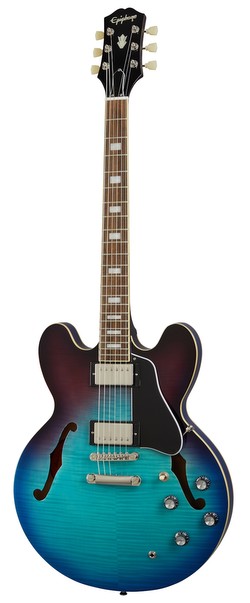
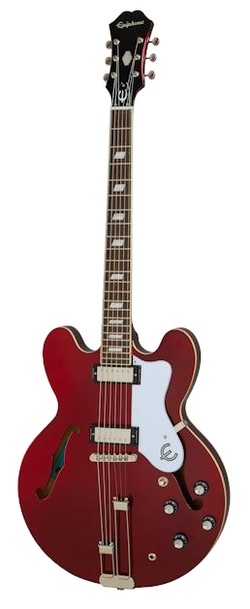
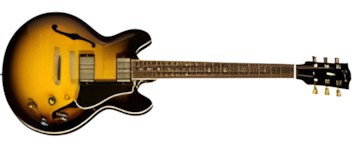
- Gibson ES-335: On the market since 1958, this thinline guitar is a very versatile Electrical guitar found in many different genres. Jazz and blues guitarists particularly appreciate the woody tone produced by the two humbuckers. Notable players of the ES-335 include B.B. King, Chuck Berry, and Larry Carlton.
- Rickenbacker 360: Particularly popular among the beat bands of the 60s, Rickenbacker's semi-acoustic guitars were favoured by bands like The Beatles for their jangly tone.
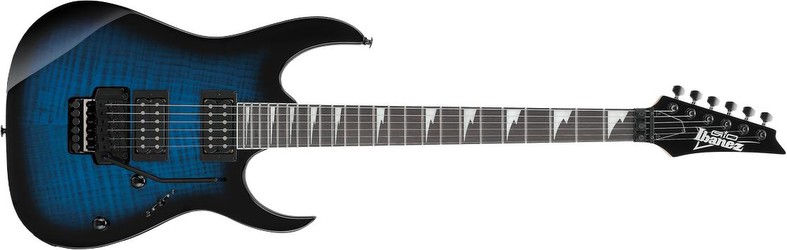
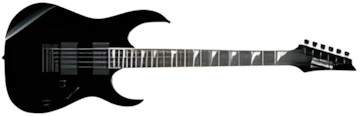
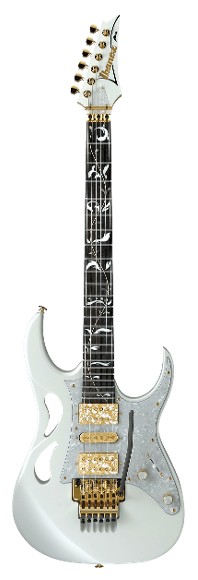
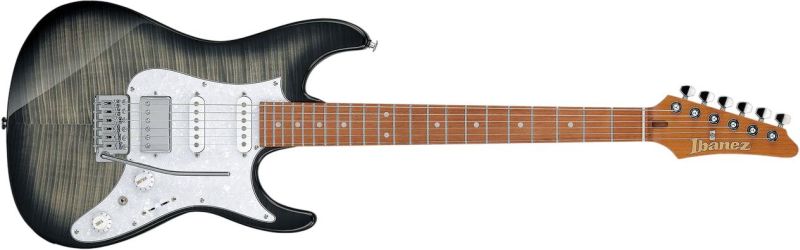
- Ibanez RG: For metal players and shredders, the flat necks are ideal instruments for fast tapping and metal riffs. The exceptional guitarist Steve Vai has a special model called "JEM" based on the RG by Ibanez.
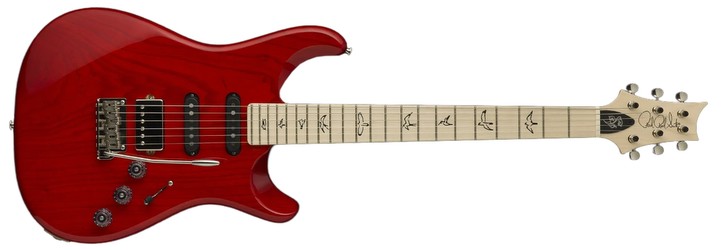
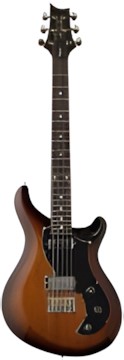
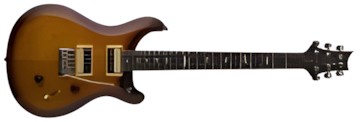
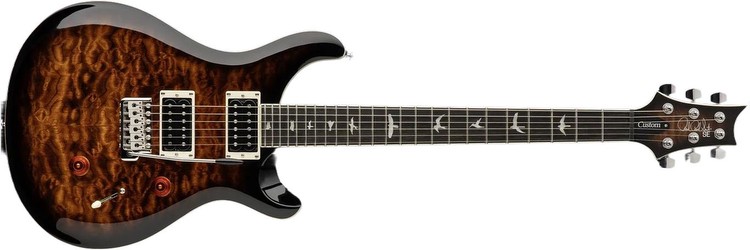
- PRS (Paul Reed Smith) Custom 24: Known for their high-quality craftsmanship and a scale length that falls between Gibson and Fender, PRS guitars are more than just a hidden gem among guitarists. Musicians like Carlos Santana and John Mayer have been loyal players of Paul Reed Smith guitars for many years.
- BC Rich Warlock: Sharp shapes and high-output pickups are particularly popular among heavy metal guitarists.
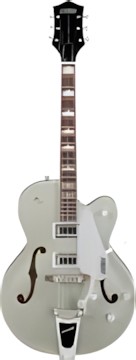
- Gretsch White Falcon: With a unique design reminiscent of the 1950s, this semi-hollow Electrical guitar is for special occasions. Gretsch guitars are mainly found in rockabilly and rock'n'roll bands.
Do I need accessories?
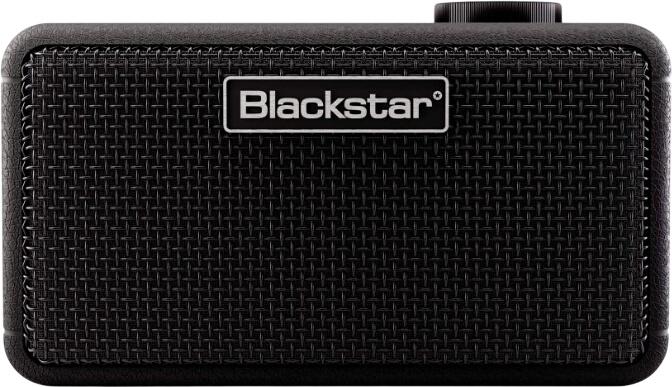
Even if you just want to strum at home occasionally, you will need guitar strings for this. Beginners are especially recommended to purchase a tuner to make tuning the guitar easier. A case would also be sensible, as it protects the guitar not only during transport but also during storage. Speaking of storage: A stand is the best option for placing the guitar. However, the largest expenses arise from purchasing the amplifier and effects. The sound of an Electrical guitar depends not only on its own craftsmanship and equipment but is significantly shaped by the amps (amplifiers). Here, a distinction must be made between transistor and tube amps. There are also combos and individual components, such as heads and cabinets. Good amplifiers and cabinets can indeed be more expensive than the guitar itself. However, for players who are content to replicate Angus Young at home, a small practice amp may suffice.