





Buy percussion instruments cheaply: Consumer tips

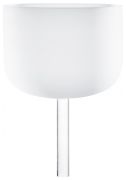
Percussion instruments, often referred to as drums, are musical instruments that produce sound by being struck, shaken, or rubbed. Unlike tuned instruments, many percussion instruments produce more indefinite sounds that emphasise the rhythmic part of a piece of music. They vary in size, shape, material, and sound, and each instrument has its own cultural and musical significance. The range includes simple hand drums and rattles to complex drum kits and electronic drum pads. Due to their diversity, they can create a variety of sounds and textures found in almost every genre of music.
The history of percussion instruments
The origins of percussion instruments date back to the earliest history of humanity. Whether it’s drumming in African rituals, gongs in Asian ceremonies, or the classical orchestral percussion – each culture has developed its own traditions and techniques. Over the centuries, the way people play and use percussion instruments has continuously evolved, with both the construction and playing techniques changing.
What parts make up a percussion instrument?
Depending on the type of percussion instrument, the construction varies. In drums, the main element consists of a resonating body and a membrane that is stretched. Rattles can be filled with small grains or stones to produce sound when shaken. A modern drum kit consists of a bass drum, snare drum, toms, cymbals, and many other components. Instruments like xylophones or marimbas have sound-producing plates arranged over resonating tubes and are struck with mallets.
What are the most well-known percussion instruments?
- Djembe: A hand drum of West African origin, known for its deep bass and clear, high tone.
- Conga: Used in many Latin American music styles.
- Bongo: A pair of small drums, often played in salsa and other Latin American styles.
- Tabla: A pair of Indian drums, central to classical Indian music.
- Roland, Yamaha, Alesis: Leading manufacturers of electronic drums and percussion instruments.
- Sabian, Zildjian, Meinl: Renowned manufacturers of cymbals and gongs.
Do I need accessories?
Yes, depending on the percussion instrument, various accessories may be required. For drums, this could include replacement heads, tuning tools, or bags. For a drum kit, it would be sticks, damping rings, or cymbal bags. A metronome can be helpful for practising timing, while special stands and holders ensure the secure placement of instruments. The right accessories significantly contribute to fully utilising the instrument's potential and ensuring a long lifespan.