






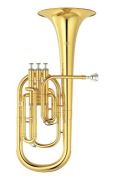
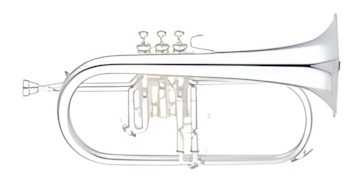
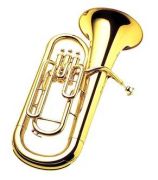
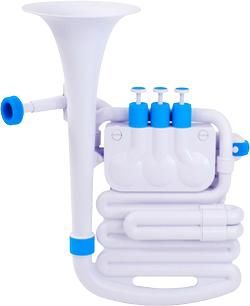
Horns: Consumer tips

A horn, often referred to as a French horn, is a brass instrument from the family of brass instruments, originally made from animal horns. It produces sound through the vibrations of the player's lips in the mouthpiece. Horns today are primarily made of brass and are characterised by their coiled shape and wide bell. The modern horn is typically a double horn, allowing the player to switch between two different tube lengths to play in various pitches. Horns are known for their warm, round tone, making them a popular instrument in orchestras, wind ensembles, and chamber music groups.
The history of the horn
The origins of the horn date back to ancient times when people used animal horns as signaling instruments. Over time, these natural horns evolved into metal instruments, particularly used in hunting and military contexts. In the 18th century, the horn underwent a transformation with the addition of valves, allowing for greater tonal flexibility. This development made the horn a staple in orchestras and enabled a wider range of musical pieces to be specifically written for this instrument. Great composers such as Wolfgang Amadeus Mozart, Ludwig van Beethoven, and Richard Strauss wrote special works that highlighted the unique sound characteristics of the horn.
What parts does a horn consist of?
The horn consists of the mouthpiece, through which the player blows, the tightly coiled main tube, the valves or rotary valves that direct the air through different paths, and the bell, which projects the sound. The mouthpiece is shaped to optimally capture the vibrations of the player's lips. The valves increase or decrease the length of the tube, allowing the player to produce different notes. The bell serves to amplify the produced sound and direct it in a specific direction.
What are the most well-known manufacturers and horn models?
- Meinl: Meinl-Weston, often simply referred to as Meinl, is a renowned manufacturer from Germany known for high-quality instruments, particularly for professional musicians. Many of their models are appreciated by professional horn players worldwide.
- Jupiter: Originally known for their beginner and intermediate instruments, Jupiter has also developed professional models over the years. Their instruments are known for their durability and affordability.
- Roy Benson: Roy Benson is a manufacturer particularly popular among beginners and music students. Their horns are known for good value for money and reliability, making them a good choice for newcomers.
- Yamaha: A Japanese manufacturer valued for the consistency and reliability of its instruments.
- Paxman: A British manufacturer known for both student and professional horns.
Do I need accessories?
Even though the horn is quite a complete instrument, there are some accessories that can make playing easier. The music stand is essential for practice, while oil and grease help keep the valves smooth. A mute can dampen the sound, which can be useful when practicing in an apartment or multi-family house. A sturdy case or gig bag protects the instrument from damage during transport.