








Harmonicas: Consumer tips
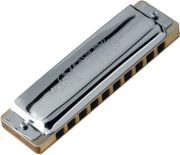
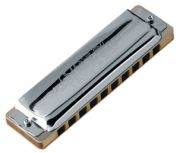
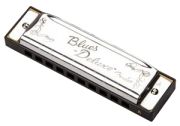
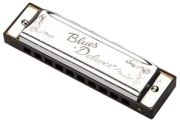
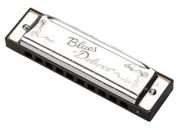
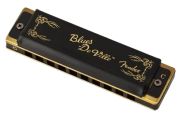
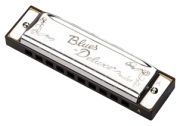
A harmonica is a wind instrument that produces sound by air flowing through special reed plates. Depending on the design and model, different notes and melodies can be played. Originally developed in Europe, harmonicas have gained popularity in many music genres worldwide, from blues and rock to country and folk music. Their compact size makes them an ideal instrument for on-the-go playing, and the simple playing technique allows beginners to make quick progress.
The history of the harmonica
The origins of the harmonica date back to the early 19th century in Europe. It quickly became popular in the USA, especially in blues music, where it was valued as a portable and affordable instrument. Legends like Little Walter and Sonny Boy Williamson II established the harmonica in the blues scene. In the 1960s, it was further popularised by rock musicians like Bob Dylan and Neil Young.
What parts make up a harmonica?
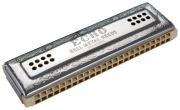
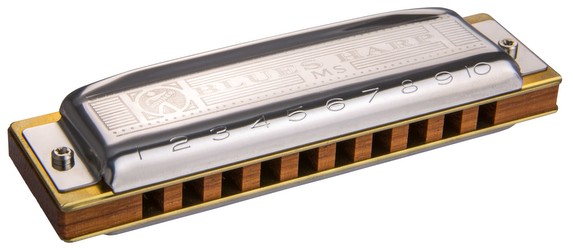
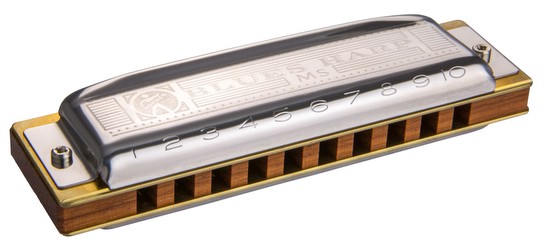
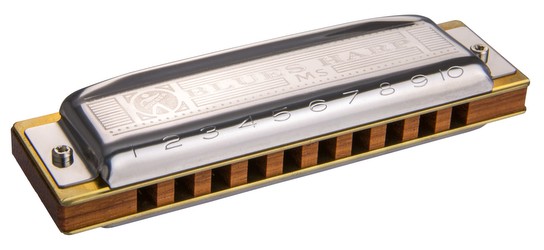
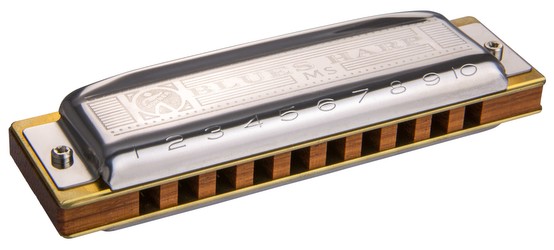
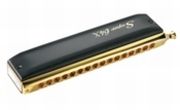
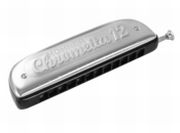
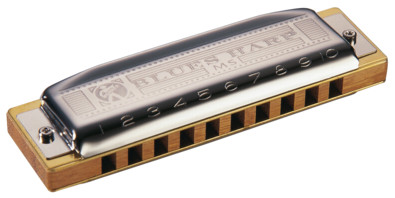
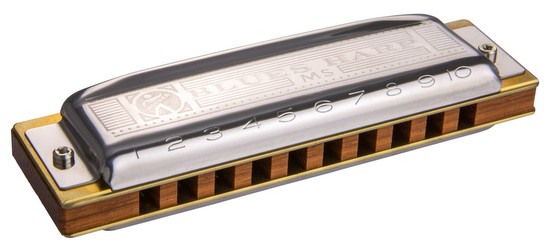
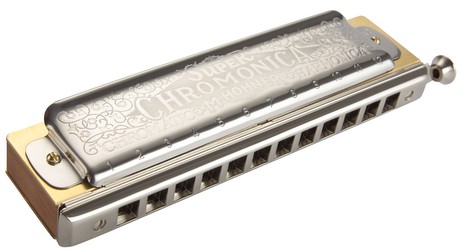
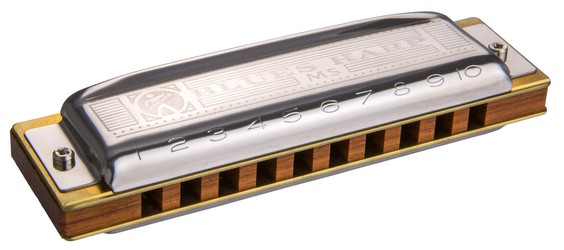
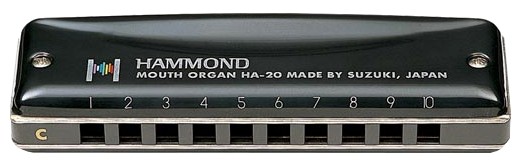
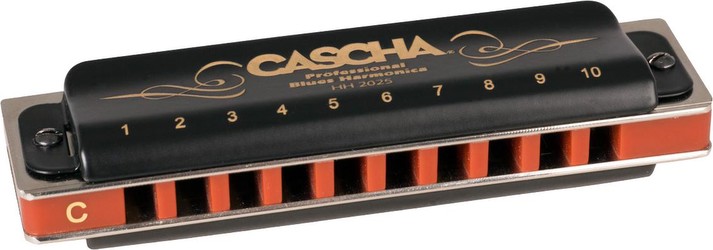
A harmonica consists of a comb, reed plates, cover plates, and a casing. The comb, usually made of wood or plastic, forms the base of the instrument. The reed plates are attached to the comb and vibrate when played to produce sound. The cover plates serve to protect and influence the sound of the instrument. Chromatic harmonicas also feature a slide mechanism that allows for playing different scales.
What are the most well-known manufacturers and harmonica models?
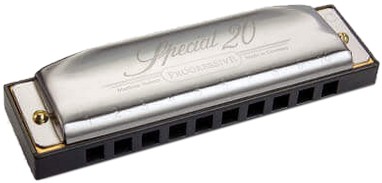
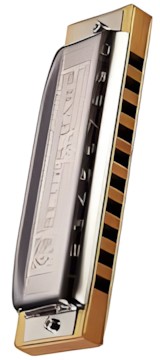
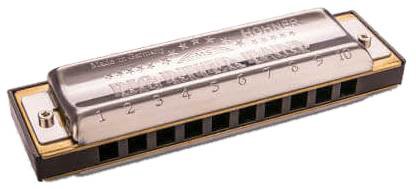
- Hohner Marine Band: A classic model often used by blues and rock musicians. Hohner is a leading manufacturer with a long history in harmonica production.
- Seydel Blues Session Steel: Known for its robust construction and clear sound.
- Lee Oskar Major Diatonic: A popular model for both beginners and advanced players alike.
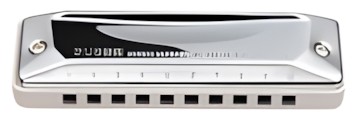
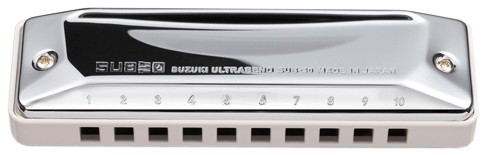
- Suzuki Manji: A modern harmonica with excellent sound and durability.
Do I need accessories?
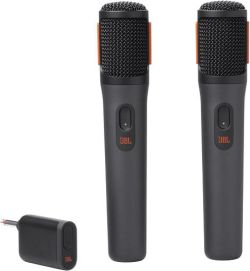
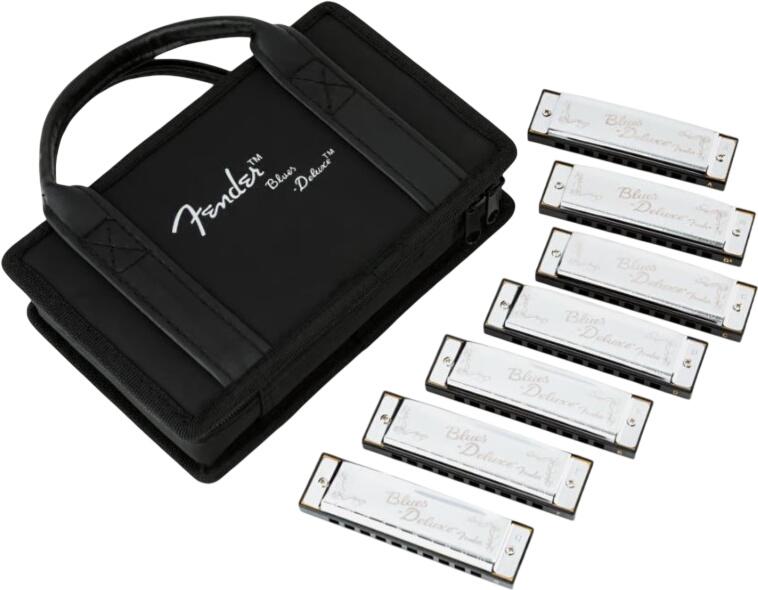
Although the harmonica itself is a standalone instrument, there are some accessories that can be useful. These include carrying cases or pouches for protection and storage, cleaning kits for maintenance, and possibly books or tutorials for beginners. There are also special microphones and amplifiers for harmonica players who want to enhance their sound in loud environments or on large stages.