















Recorders: Consumer tips

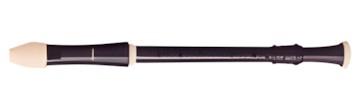
A recorder is a woodwind instrument that produces sound through the airflow within a block channel. The core of this instrument, the block, directs the airflow against the sharp edge of the labium, causing the air to vibrate and thus producing tones. Over time, various sizes and models have been developed, from the small soprano to the large bass recorder. The tuning varies, but the most common are C and F.
The history of the recorder
The recorder has its roots in the Middle Ages and was particularly popular during the Baroque period. After losing popularity in the 19th century, it experienced a revival in the 20th century, especially in early music and in music education for children. Nowadays, the recorder is often the first instrument taught to children in school, thanks to its simplicity and its ability to convey the basics of music theory.
What parts does a recorder consist of?
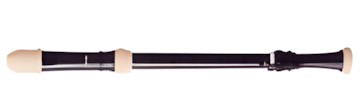
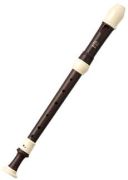
The main components of a recorder are the head with the block, the middle section with the finger holes, and the foot. The finger holes allow the player to produce different tones by opening or closing them with their fingers. The material from which the recorder is made affects the sound: common materials include hardwoods like boxwood or maple, but there are also plastic variants that are particularly durable and easy to care for.
What are the most well-known manufacturers and recorder models?
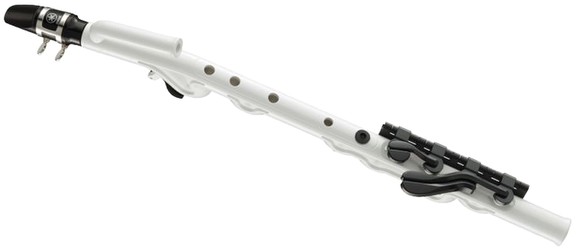
- Yamaha: Known for their durable plastic recorders, which are ideal for beginners.
- Mollenhauer: A German manufacturer known for its high-quality wooden recorders.
- Aulos: Another leading manufacturer of plastic recorders, often used in schools.
- Rottenburgh: A historical recorder maker whose designs are still popular and frequently copied.
- Moeck: A renowned German manufacturer known for its handcrafted recorders made from selected woods. Many professional players choose Moeck for its consistent quality and expressive sound.
- Hohner: Although Hohner is primarily known for its harmonicas, it also produces recorders. Their recorders are valued for their durability and good playability, especially among students and music teachers.
Do I need accessories?
As with many musical instruments, the right accessories can enhance the longevity of the recorder and improve the playing experience. Swabs are essential for removing moisture from the inside of the instrument. A bag or case protects the instrument during transport. For wooden recorders, a special care oil can be helpful to preserve the wood and prevent cracks. A tuner can be useful to ensure that the recorder is always properly tuned.