










Buy concert guitars cheaply: Consumer tips

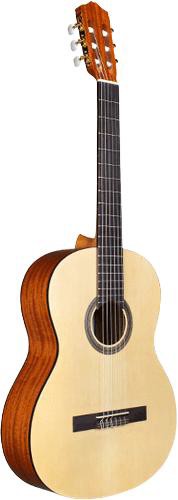
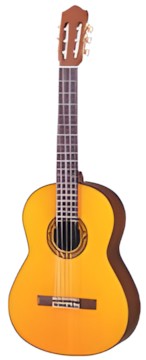
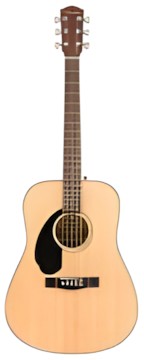
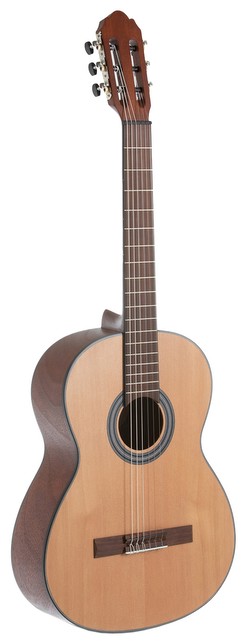
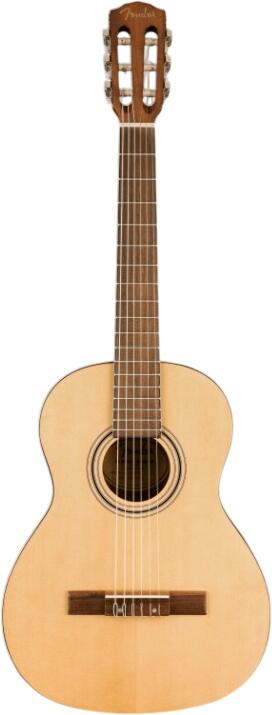
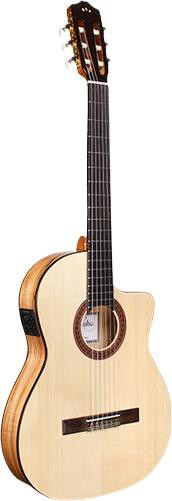
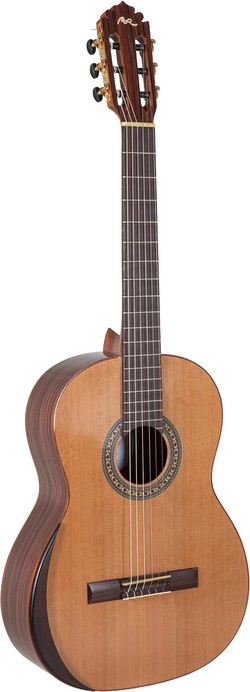
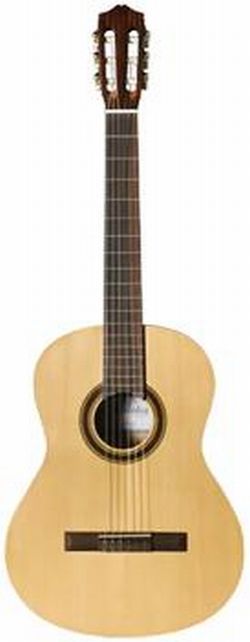
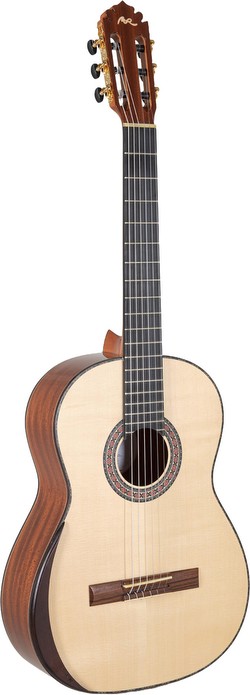
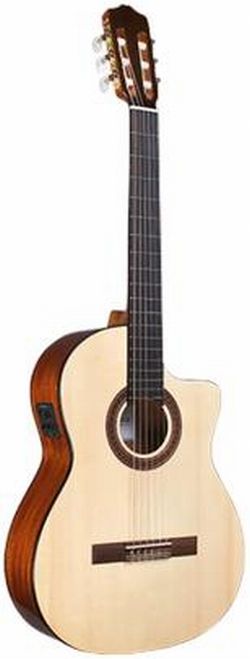
A concert guitar, also known as a classical guitar, is a string instrument characterised by the use of nylon rather than steel strings. This gives it a warm, rounded sound that is especially appreciated for classical music, flamenco, and Spanish folklore. Unlike other types of guitars, the wider neck of the concert guitar allows for more complex finger positions, making it the first choice for many professional guitarists. The body of a concert guitar often consists of a combination of tonewoods, each with specific tonal properties to provide an optimal sound experience.
The history of the concert guitar
As early as the Renaissance and Baroque periods, there were precursors to today's concert guitar. However, the modern form developed in the 19th century in Spain. The luthier Antonio Torres is responsible for many revolutionary changes in design that significantly influenced the sound and volume of the guitar. As a result, the concert guitar became one of the main instruments for classical musicians and composers in the 20th century.
What parts make up a concert guitar?
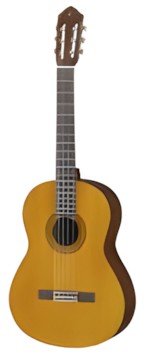
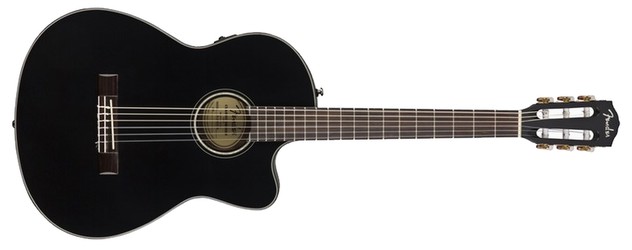
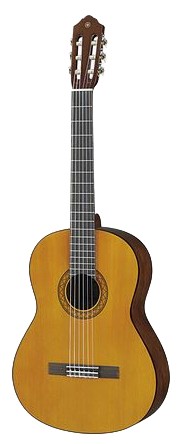
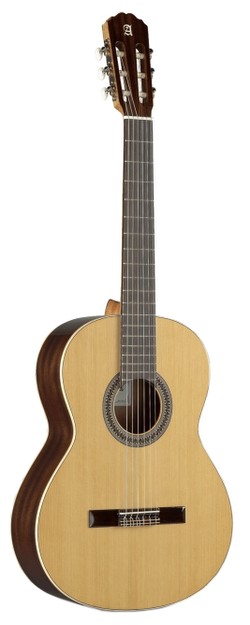
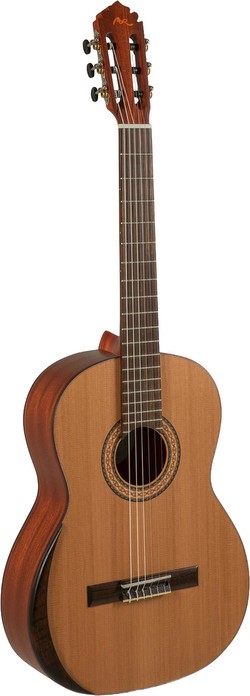
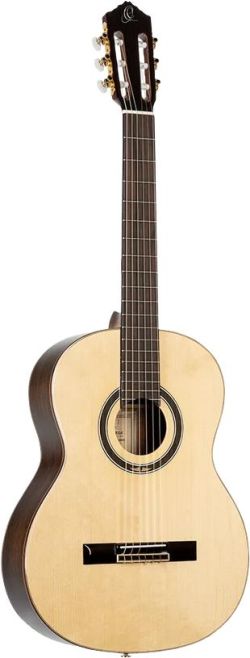
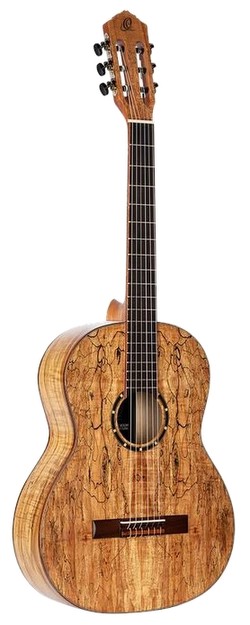
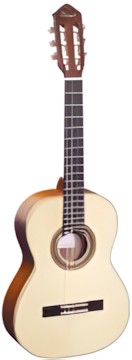
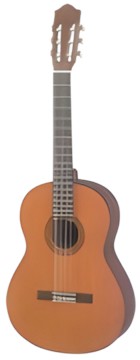
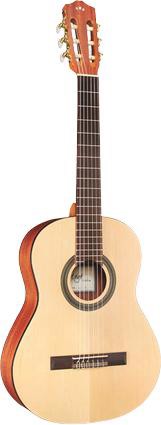
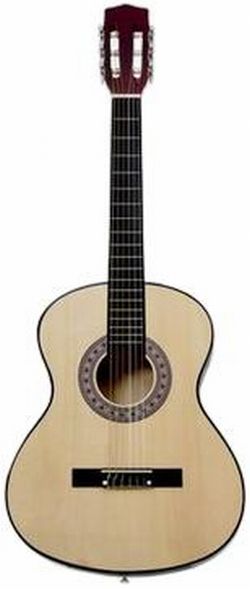
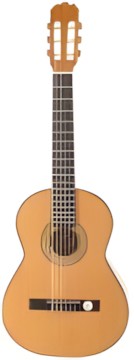
The concert guitar consists of various components that together create its unique sound. The body, usually made from a mix of spruce or cedar, forms the heart of the instrument along with the sound hole. The wider neck, often made of mahogany or cedar, houses the fingerboard, typically made of ebony or rosewood. Inlays on the fingerboard provide orientation for the player. At the headstock, the upper end of the neck, are the tuning machines used to adjust the string tension. The bridge, typically made of hard wood, holds the strings at the lower end of the body.
What size is the right one?
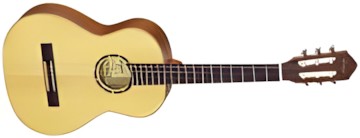
The 3/4 size is often seen as the ideal choice for children and teenagers or for adults with smaller hand spans. With a slightly reduced body length and width, it offers a more comfortable handling for smaller hands and can make a difference, especially in the early years of learning. Despite its smaller size, a well-made 3/4 guitar can still provide a rich and full sound, albeit with slightly less resonance and volume than its full-sized counterpart.
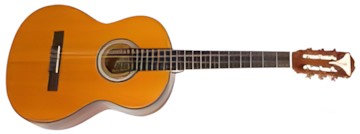
The 4/4 size, also known as "full size", is the standard size for adult players. It offers the greatest possible resonance and tonal richness and is best suited for the most complex pieces of music due to its size and string tension. Many professional musicians and advanced students prefer this size for its full sound and projection.
What are the most well-known manufacturers and concert guitar models?
- Alhambra: A Spanish manufacturer known for its high-quality concert guitars and their clear tones.
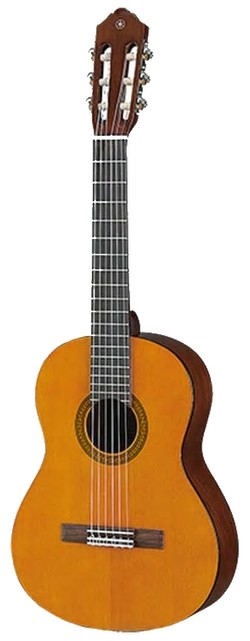
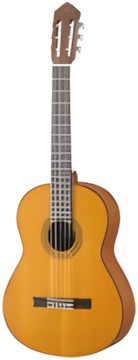
- Yamaha: Although often associated with electronic devices, Yamaha also produces excellent acoustic guitars for beginners and professionals.
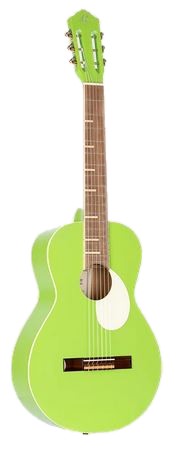
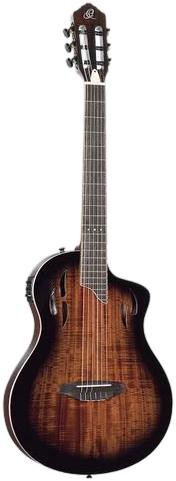
- Ortega: Ortega Guitars is a relatively young brand that has quickly made a name for itself in the world of classical guitars and ukuleles since its founding in 1994. The company places great value on traditional craftsmanship.
- Alvarez: They are known for their craftsmanship and the warm, resonant sound of their acoustic and electro-acoustic guitars.
- La Patrie: A Canadian manufacturer known for its handcrafted cedar guitars.
Do I need accessories?
For optimal sound and care of the concert guitar, accessories are essential. Replacement nylon strings should always be on hand, as they wear out over time and can affect the sound. A tuner makes it easier to tune the instrument accurately. A case or bag protects the guitar from bumps and environmental influences. The guitar stand is ideal for displaying the instrument when not in use. To extend the lifespan of the wood, a humidifier specifically for instruments can be useful, especially in dry climates.