




Synthesizers: Consumer tips
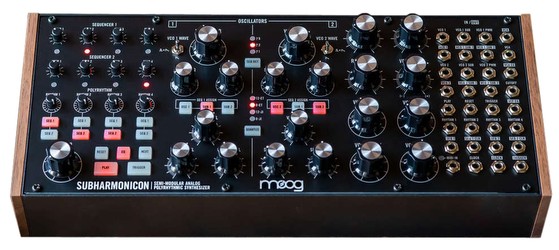
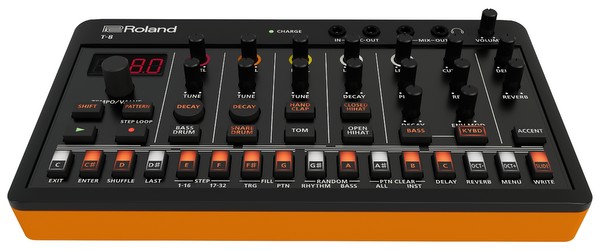
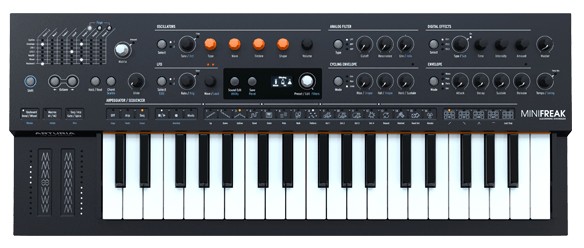
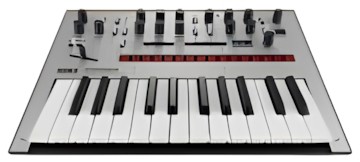
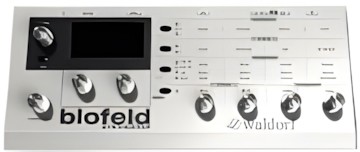
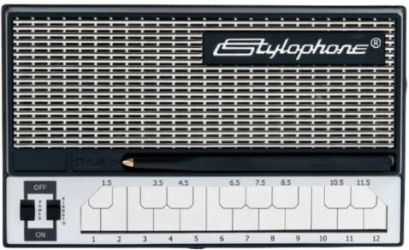
A synthesizer is an electronic musical instrument designed to create sounds and tones by generating, manipulating, and combining waveforms. Unlike traditional instruments that produce acoustic sounds, synthesizers can electronically generate a wide variety of sounds and tones. This allows musicians to explore an almost limitless range of sound possibilities – from natural sounds to completely novel sounds.
History of the Synthesizer
The origins of the synthesizer date back to the 1960s when pioneers like Robert Moog and Don Buchla developed their first models. The Moog synthesizer, which was one of the first to be produced in series, revolutionised the music landscape and laid the foundation for electronic music. In the 1980s, with the introduction of digital technologies, the synthesizer was further developed and found its way into nearly all music genres, from pop to rock to techno.
Structure and Functionality of Synthesizers
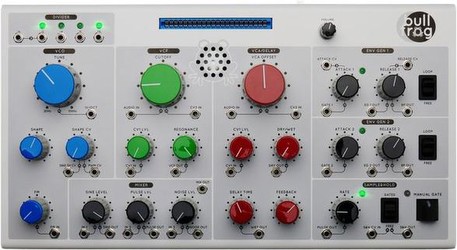
A synthesizer typically consists of various modules, each serving specific functions:
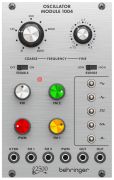
- Oscillators: These generate the basic waveforms that serve as the starting point for sound generation.
- Filters: These allow certain frequencies to be emphasised or attenuated to change the timbre.
- Envelope Generators: They control the dynamics of the sound and determine how a note begins, develops, and ends.
- LFOs (Low Frequency Oscillators): These create periodic modulations, e.g. for vibrato effects.
The Most Famous Manufacturers and Synthesizer Models
- Moog Minimoog: This analogue monosynthesizer is legendary for its warm sound and ease of use.
- Roland Jupiter-8: A classic from the 1980s, known for its diverse sound adjustment options and robust construction.
- Yamaha DX7: As one of the first digital FM synthesizers, it revolutionised the music world with its clear and brilliant sounds.
- Korg MS-20: A semi-modular synthesizer known for its flexible patching options and unique filter.
- Sequential Circuits Prophet-5: A polyphonic synthesizer that shaped many hits in the 1980s.
Accessories and Expansion Options
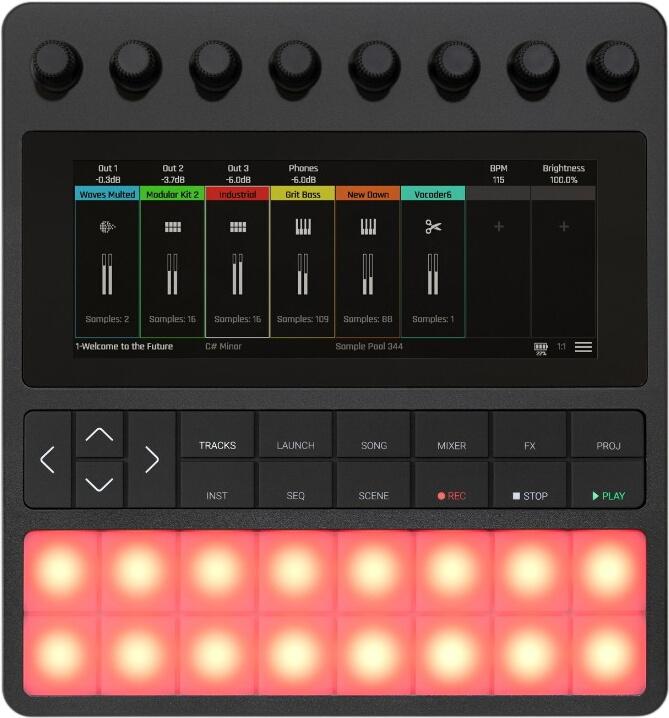
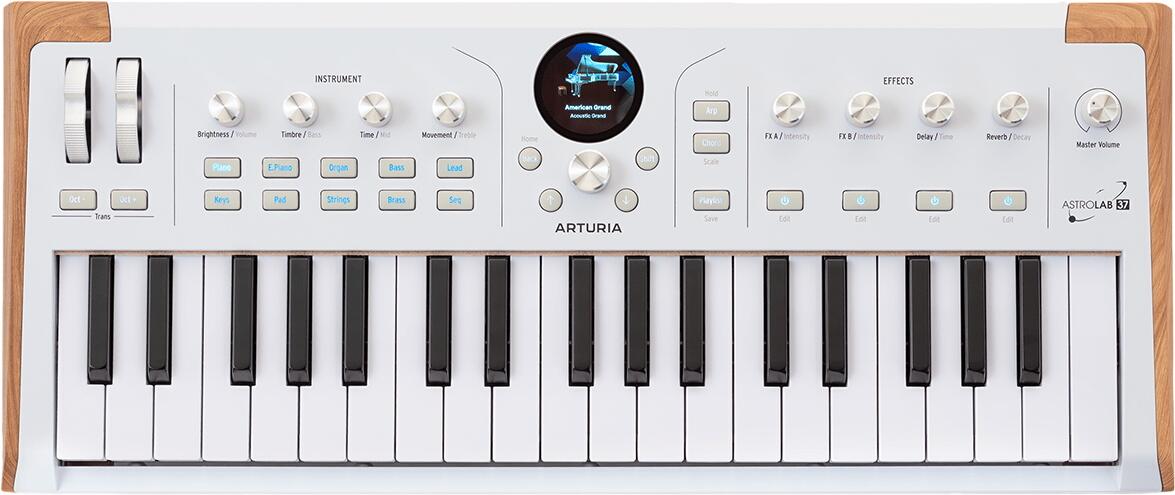
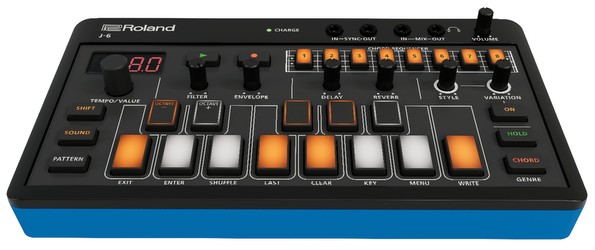
To fully exploit the potential of a synthesizer, additional equipment such as external effect devices, sequencers, or MIDI controllers can be added. A good pair of headphones is also recommended for accurate monitoring and sound design. For live performance or studio use, stable stands or cases are a sensible investment. It is worth investing in high-quality cables to minimise signal loss and ensure optimal sound quality.