













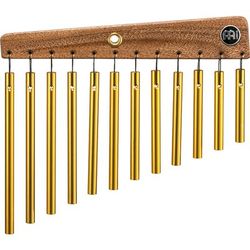


Percussion: Consumer tips

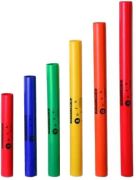
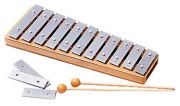
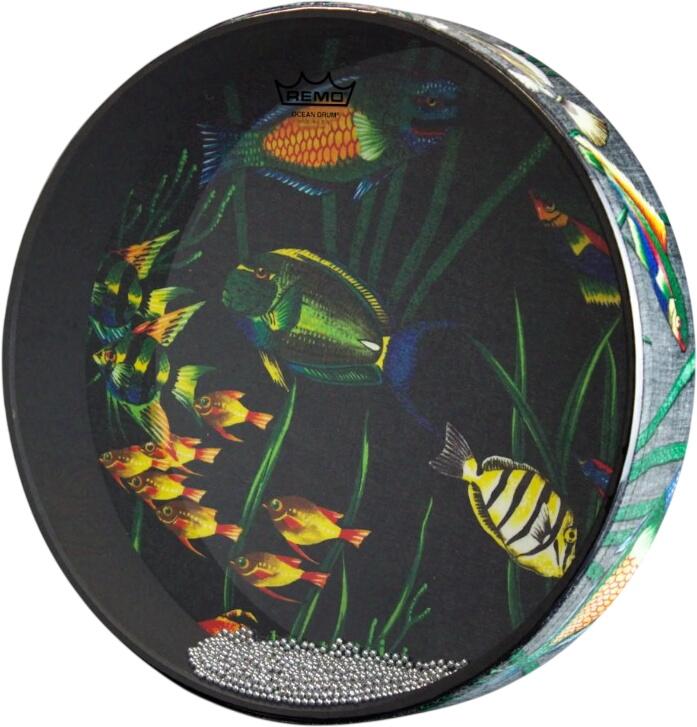
Percussion instruments form the rhythmic heart of many musical genres. They are struck or effect instruments, where sound is produced by striking, shaking, rubbing, or plucking. The variety ranges from simple hand drums and rattles to complex instruments like marimbas and vibraphones. They often stand out due to their characteristic sound, shape, and the materials used. Since percussion instruments are found in many cultures worldwide, they offer an impressive range of sounds and playing techniques.
The history of percussion instruments
For thousands of years, people have used percussion instruments to create rhythms. They hold not only a musical but also a ritual and communicative significance. In many cultures, drums served as a means of communication over long distances. The developments and forms of percussion instruments vary depending on cultural and geographical context. For example, in Africa, there is the djembe, in Latin America the congas, and in Asia the taiko drums. Over time, many of these instruments have been incorporated into other musical traditions and have significantly influenced them.
The components and types of percussion instruments
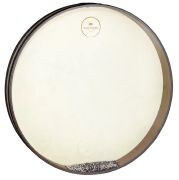
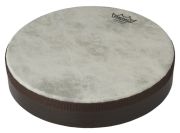
Percussion instruments can be broadly divided into two categories: membranophones and idiophones. Membranophones produce sound by vibrating a membrane or skin, as seen in drums. Idiophones, on the other hand, produce sound through the material itself, as in rattles or wood blocks.
The body of percussion instruments can be made from various materials, often wood, metal, or plastic. Depending on the instrument and its origin, animal skins, seeds, shells, or other natural materials may also be used. The design and construction significantly influence the sound of the instrument.
The most well-known percussion instruments and their characteristics
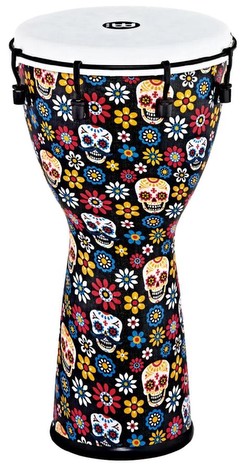
- Djembe: A West African hand drum, often carved from a single piece of wood. It has a powerful, bass-heavy sound.
- Conga: A cylindrical instrument with African roots, commonly found in Cuban and Latin American music.
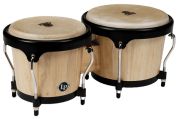
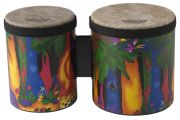
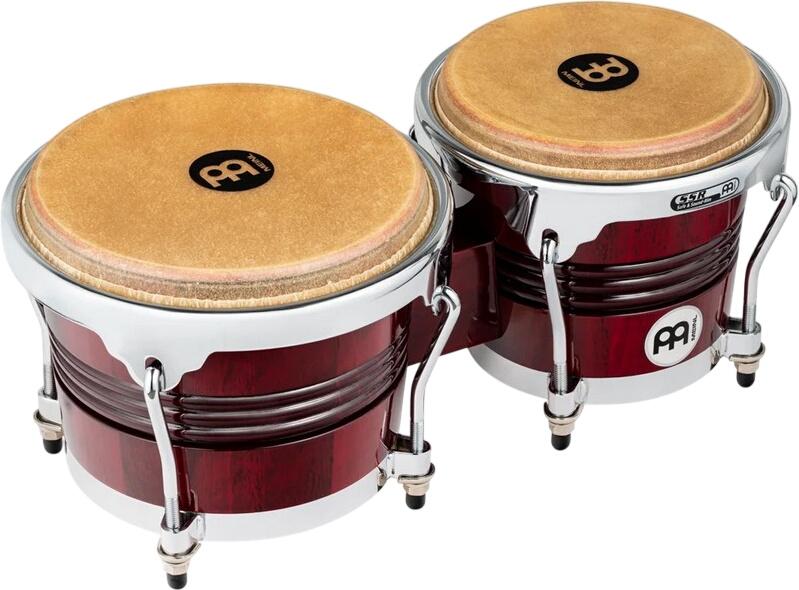
- Bongos: A pair of smaller hand drums frequently used in Latin American music.
- Marimba: A mallet instrument with wooden bars, similar to a xylophone, used in many music styles.
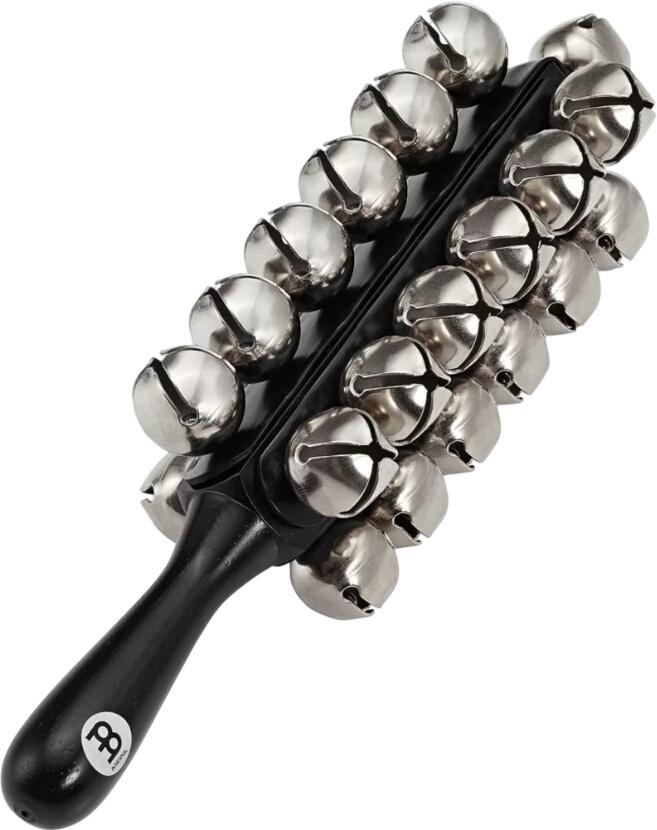
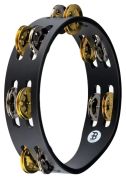
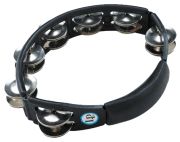
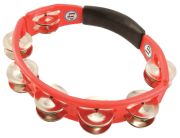
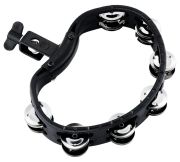
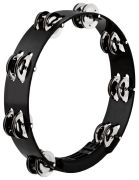
- Tambourine: A handheld instrument with jingles that produces sound by shaking or striking.
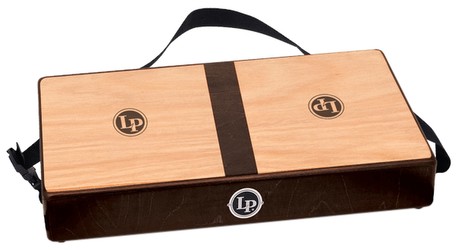
- Cajon: A box drum played with hands and fingers, often found in flamenco and modern pop music.
Necessary accessories?
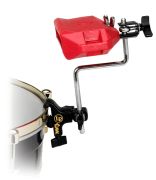
For the optimal use of percussion instruments, various accessories may be required. Depending on the instrument, mallets, stands, carrying straps, or special bags can be helpful. It is also advisable to carry out regular maintenance and care to ensure the longevity and sound quality of the instrument. For some instruments, such as the djembe, it may be necessary to occasionally replace or retighten the skin.