






Effects pedals for guitarists: Consumer tips
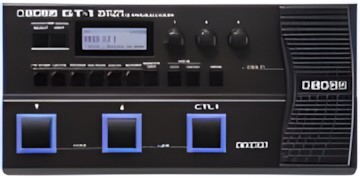
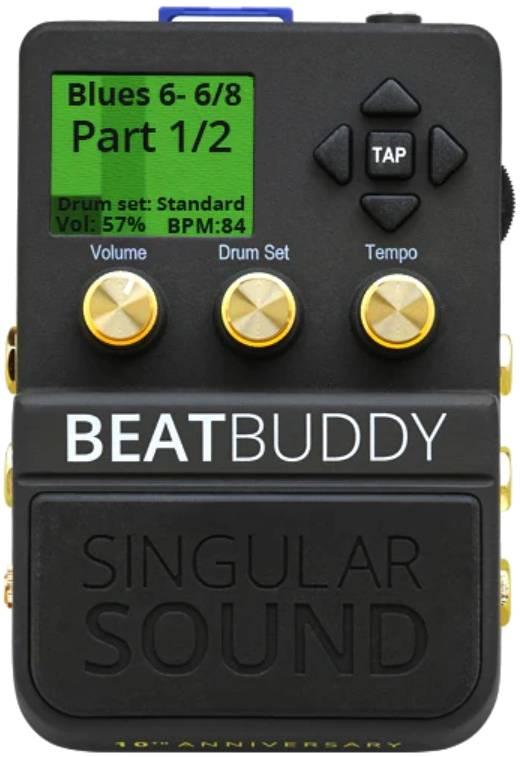
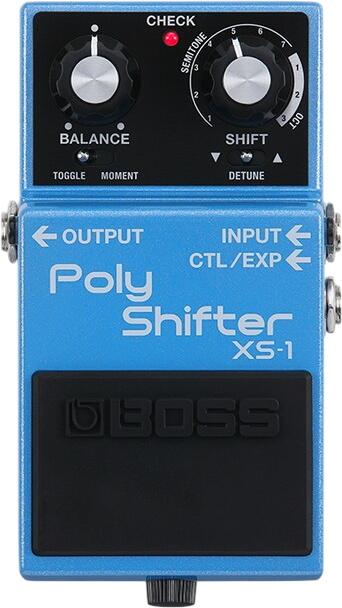
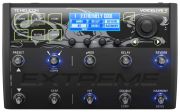
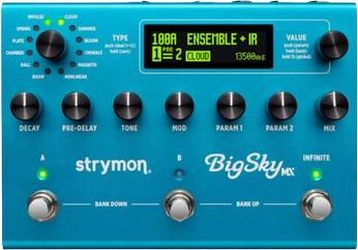
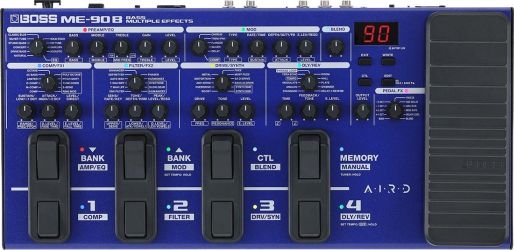
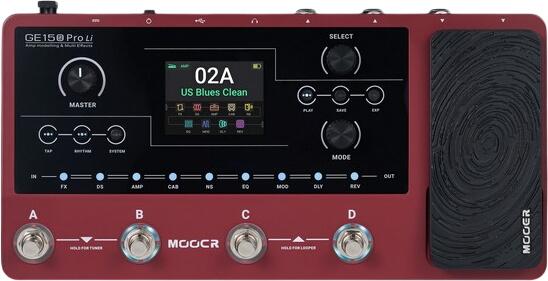
Effects pedals expand the sonic possibilities far beyond what would be possible with just a guitar and an amplifier. They come in various forms: as floor pedals, multi-effect processors, and rack units. They offer a wide range of tones and effects, from subtle changes to radical transformations.
Types of effects pedals and their functions
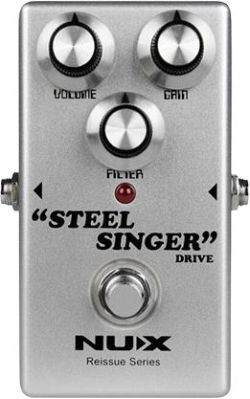
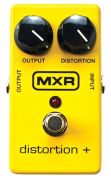
- Distortion (Distortion, Overdrive, Fuzz) are essential for rock, metal, and many other music styles. They distort the guitar signal, making the sound more aggressive and louder.
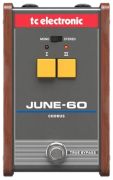
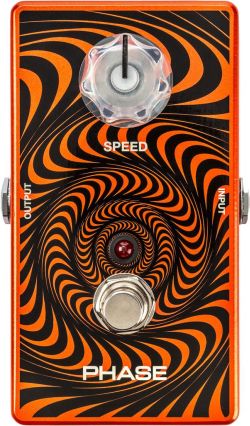
- Modulation effects (Chorus, Flanger, Phaser) alter the guitar signal in a way that makes the sound wider, more spatial, or psychedelic.
- Dynamics effects (Compressor, Limiter) influence the volume dynamics of the guitar playing and ensure a more even sound.
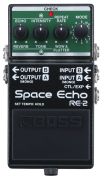
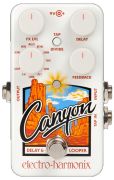
- Delay and Echo repeat the played signal after a short delay, creating an echo or reverberation effect.
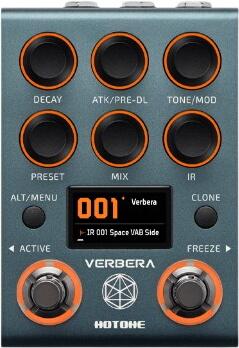
- Reverb simulates the sound of different spaces, from a small room to a large hall, adding depth and atmosphere to the guitar sound.
- Wah-wah pedals change the frequency of the guitar signal and create a characteristic "wah" sound, which is particularly popular in funk and rock.
History and development of effects pedals
The history of effects pedals began in the 1960s when musicians started experimenting with their sound. The introduction of the fuzz pedal, first heard on Keith Richards' "Satisfaction" with the Rolling Stones, marked the beginning of a new era. In the following decades, effects pedals became increasingly sophisticated, from analogue pedals to digital multi-effect processors that combine a whole range of effects in one device.
Selection and use of effects pedals
Choosing the right effects pedal depends on personal style and sonic preferences. While some guitarists prefer a minimalist approach and limit themselves to one or two pedals, others use a variety of effects to create their own unique sound. It is important to familiarise oneself with the different types and brands and to understand how each effect impacts the sound.
Well-known manufacturers and models
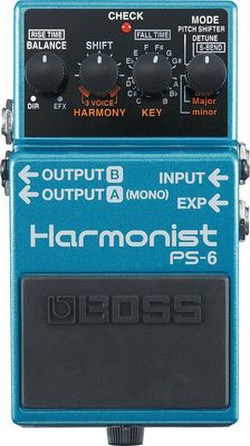
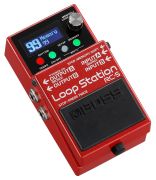
- Boss: Known for their robust and reliable pedals that cover a wide range of effects.
- Electro-Harmonix: Famous for innovative and distinctive pedals like the Big Muff Pi Fuzz.
- MXR: Produces some of the most iconic phaser and flanger pedals.
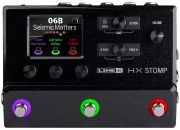
- Line 6: A pioneer in the development of digital multi-effect processors.
- TC Electronic: Offers high-quality digital delay and reverb pedals.
Accessories for effects pedals
In addition to the pedals themselves, it is advisable to invest in high-quality cables and a reliable power supply. For guitarists who use many pedals, a pedalboard can be helpful to keep things organised and facilitate transport.