







Buying wireless systems: Consumer tips

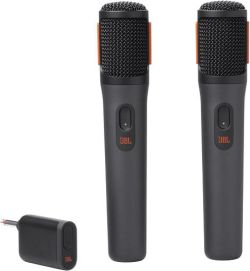
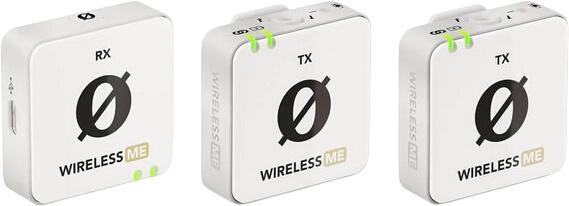
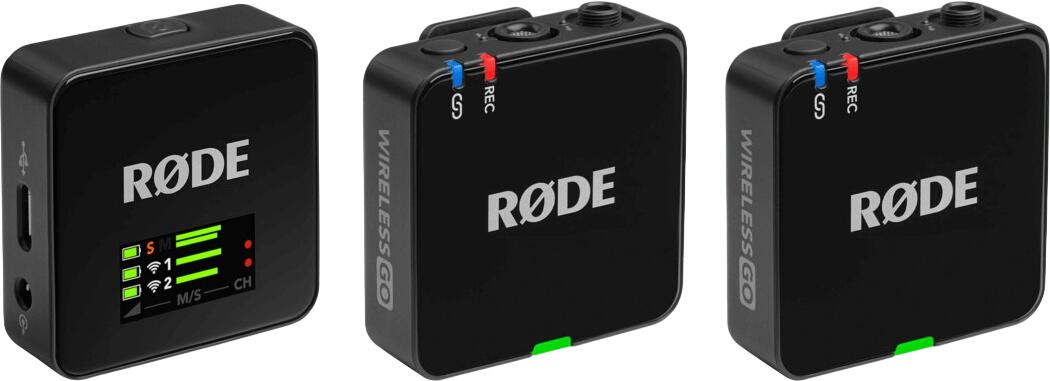
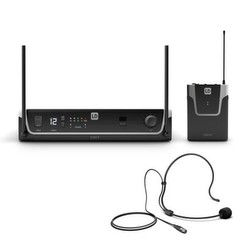
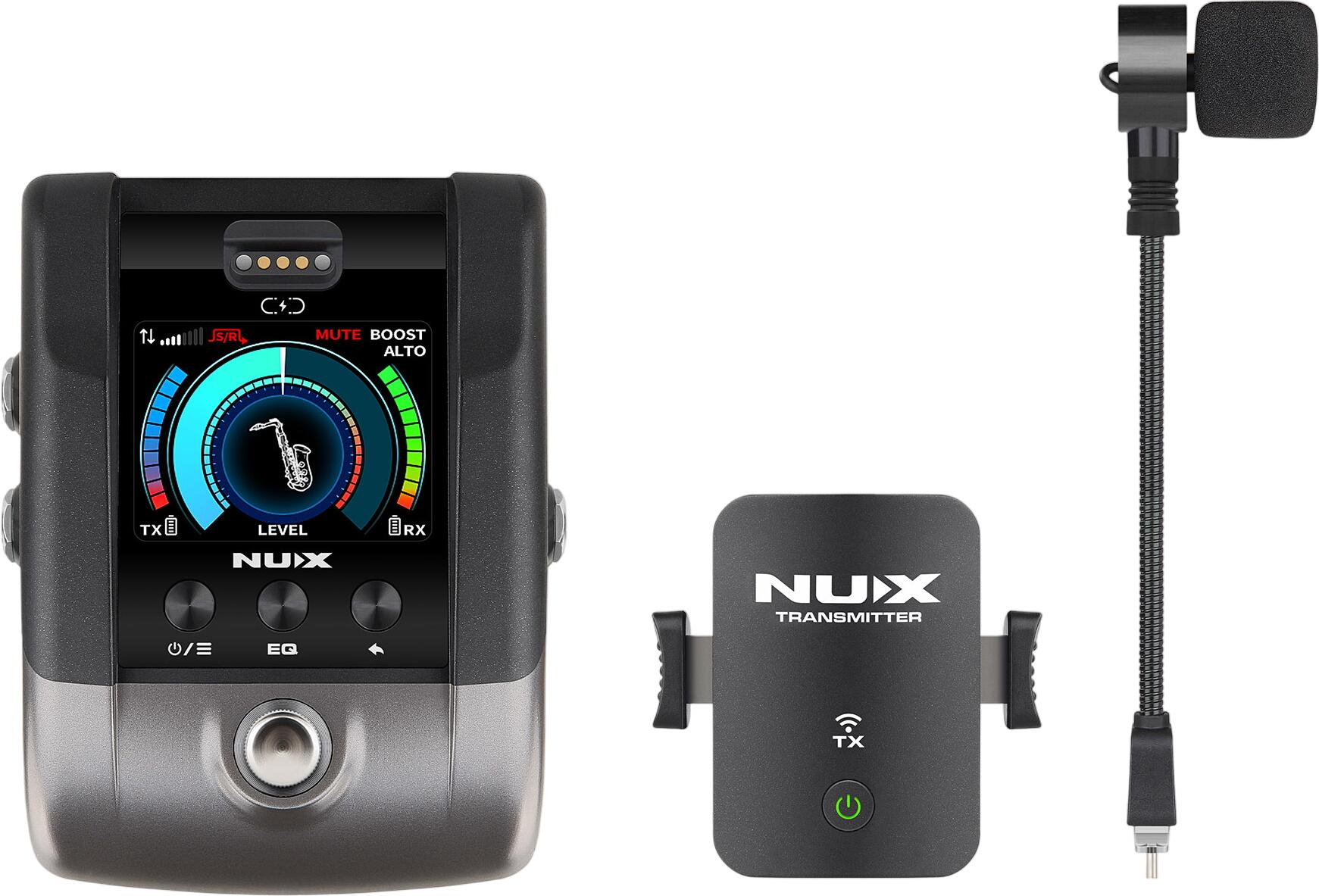
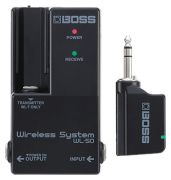
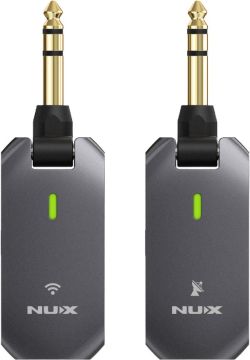
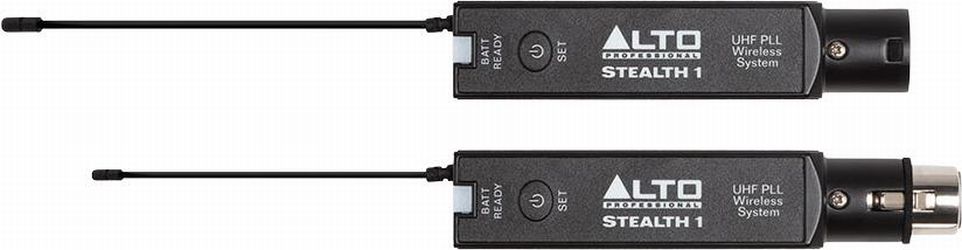
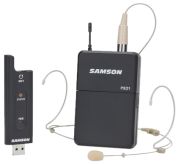
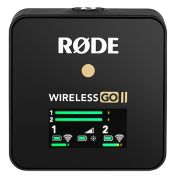
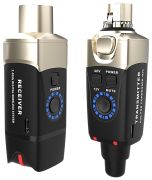
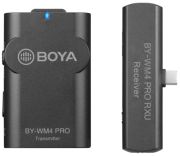
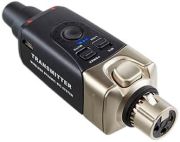
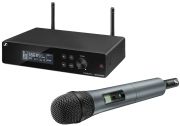
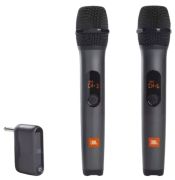
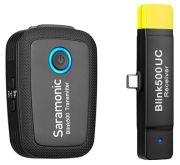
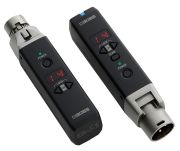
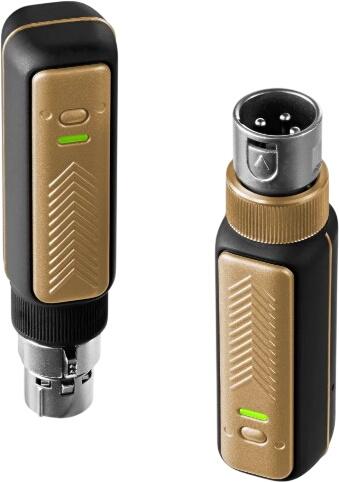
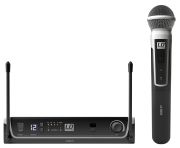
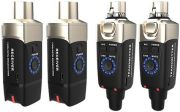
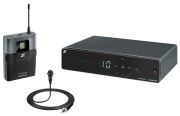
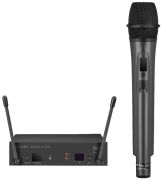
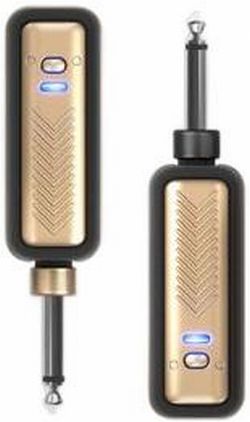
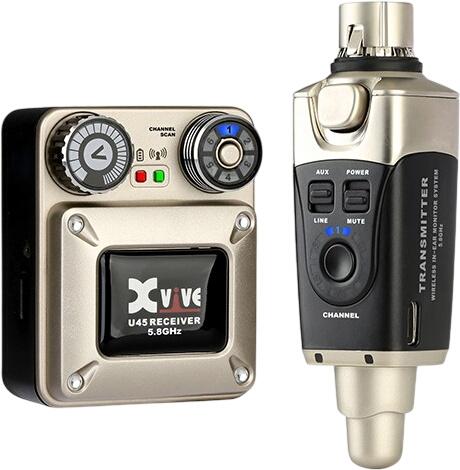
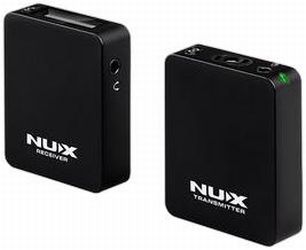
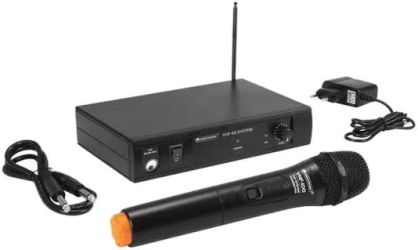
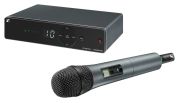
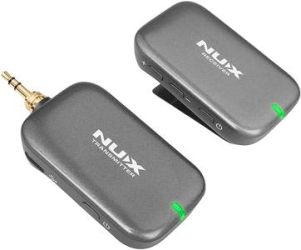
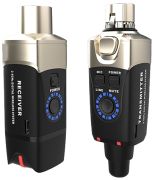
A wireless system for instruments and microphones allows for the wireless transmission of audio signals by using electromagnetic waves instead of physical cables. Such systems consist of a transmitter and a receiver. While the transmitter is attached to the instrument or microphone, the receiver picks up the signal and forwards it to amplifiers, mixers, or PA systems. The use of such systems provides musicians and sound engineers with greater freedom of movement on stage and reduces the risk of tripping hazards from cables lying around. Furthermore, modern wireless systems offer multiple channels, allowing different instruments or microphones to operate simultaneously without interference.
History of wireless systems for instruments and microphones
The need for wireless audio systems became apparent in the 1970s as stage shows became increasingly complex and artists demanded greater freedom of movement. Initially, these systems were not widely used due to technical limitations and high costs. However, over time, advancements in wireless technology made it possible to develop interference-free and cost-effective systems.
Structure and function of wireless systems
The core of a wireless system is its transmission technology. There are various frequency bands that can be used for wireless transmission, including VHF (Very High Frequency) and UHF (Ultra High Frequency). UHF is more commonly used as it is generally less susceptible to interference and offers a greater number of simultaneously usable channels.
The transmitter, which is attached to the instrument or microphone, captures the audio signal and converts it into a radio signal. This signal is then picked up by the receiver and converted back into an audio signal that can be forwarded to other audio devices.
Popular manufacturers and models of wireless systems
- Shure GLXD16: A well-known wireless system for guitars, praised for its reliability and high audio quality.
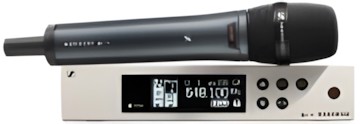
- Sennheiser EW 300 G4: A versatile system for both instruments and microphones, known for its clear signal transmission.
- AKG WMS40: An affordable entry-level model, particularly suitable for smaller events.
- Line 6 Relay G50: Popular among guitarists for its ease of use and solid performance.
Important accessories for wireless systems
Secure storage, such as in the form of a specialised case, is recommended to protect the system from bumps or moisture. Replacement antennas and additional batteries or rechargeable batteries can prove useful, especially during longer performances. It is also advisable to regularly check and adjust the frequencies to avoid interference.
A wireless system can be a valuable addition to any musician's or sound engineer's equipment. It not only offers more freedom of movement but also contributes to a tidier and safer stage environment. It is worth investing in a high-quality system and familiarising oneself with its operation.