



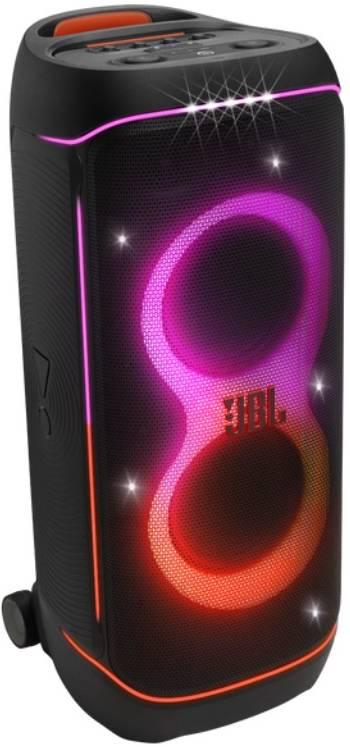
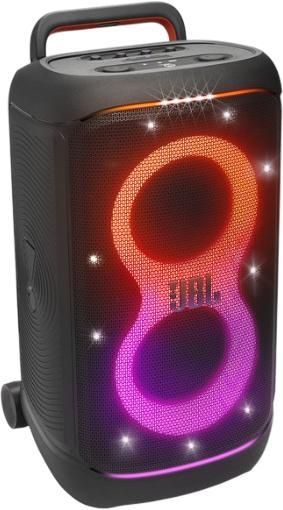
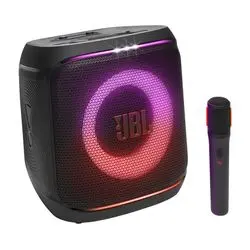
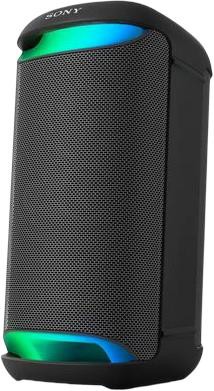


Newly Added Products
Party speakers: Consumer tips
What makes a party speaker special?
Party speakers are built to deliver a more energetic sound than a typical Bluetooth speaker. They usually focus on strong bass, high output and easy entertainment features rather than the most neutral hi-fi-style sound. Many also include integrated controls for lighting, karaoke or multiple audio sources, which makes them more flexible for social use.
Common party speaker features include:
- Higher output than a standard portable speaker
- Larger woofers for fuller bass
- Built-in amplification
- Bluetooth streaming
- Microphone inputs for karaoke or announcements
- Optional lighting effects
- App control on some models
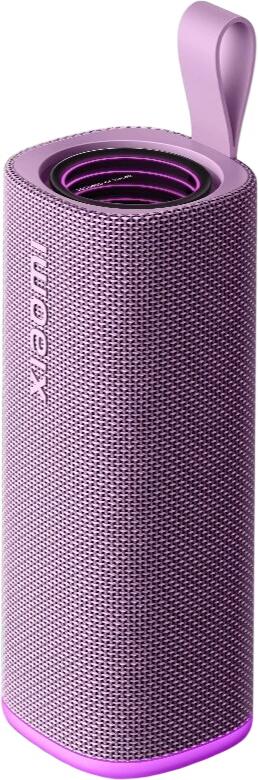
- Battery power on portable versions
Not every party speaker includes every feature. Lighting, battery power and smart extras are common, but not universal, so it is worth checking the specification rather than assuming they all work the same way.
Power and sound pressure: how much do you need?
Choosing the right size matters. A speaker that is too small may sound strained at higher volume, while an oversized model may cost more, take up more room and be less practical to move around. Manufacturers often advertise eye-catching peak power figures, but for a more meaningful comparison, RMS output is usually the more useful number, as it gives a better sense of sustained performance.
In practice, speaker performance is highly model-dependent, so broad wattage or decibel claims should be treated as rough guidance rather than fixed rules. Room size, speaker placement, outdoor conditions and music style all affect how powerful a system feels.
As a general guide:
- Smaller rooms and casual gatherings: compact models are often enough
- Living rooms and medium indoor parties: mid-size party speakers usually work well
- Garden parties or open spaces: more output is often needed because sound disperses more easily outdoors
- Larger events: two speakers or a more powerful system will usually give better coverage than one speaker pushed too hard
A little headroom is useful. Running a speaker comfortably below its limit often sounds cleaner and can be better for long-term reliability.
Connectivity: what should you look for?
Connectivity is one of the biggest practical differences between party speakers. Bluetooth remains the standard wireless option, but modern models increasingly add more flexible connections for easier setup and broader use.
Useful options to look for include:
- Bluetooth for quick phone and tablet streaming
- USB-C for charging and, on some models, media playback or service functions
- AUX input for wired audio sources
- Microphone inputs for karaoke or speeches
- App support for playback and lighting control
- True Wireless Stereo pairing for linking two matching speakers
- Wi-Fi streaming on selected higher-spec models
USB-A still appears on some speakers, particularly for playback from memory sticks or device charging, but it is no longer the most future-facing feature. USB-C, better app integration and more stable wireless control are more relevant for many buyers.
If you want multiple people to share DJ duties, features such as multipoint pairing or simple source switching can also be useful.
Lighting effects and entertainment features
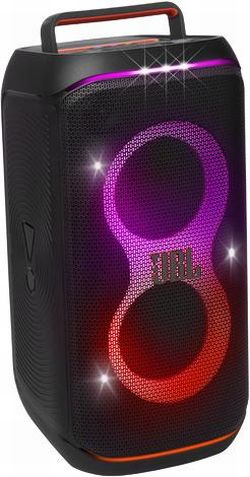
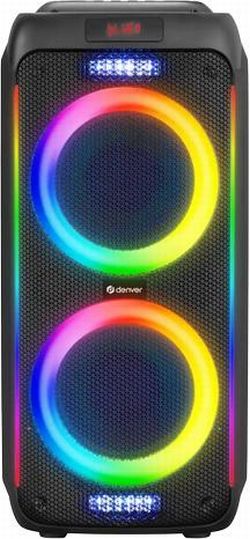
Lighting is a big part of the appeal for many party speakers, but it is not guaranteed on every model. Some include only subtle light rings or front-panel accents, while others offer full multi-colour light shows that react to the music. If visual atmosphere matters to you, check how advanced the lighting actually is rather than assuming every speaker has a full disco-style setup.
Common entertainment features include:
- Beat-synced lighting
- App-controlled colour and brightness settings
- Karaoke inputs
- Echo or vocal effects on some models
- The option to disable the lights to save power
It is also worth remembering that lighting can noticeably reduce battery life on portable models. If runtime matters more than effects, a speaker with switchable lighting is the better choice.
Battery life: what is realistic?
Battery life varies a lot between speakers, and real-world performance often depends on volume, bass output, lighting use and whether you are charging another device from the speaker. Manufacturer figures are useful as a guide, but they are not a guarantee of how long the speaker will last at party volume.
What matters more than a single quoted number is whether the speaker suits your event style. Think about:
- How loud you actually plan to play music
- Whether the lights will stay on all evening
- Whether you need the speaker to last for a full afternoon or night
- Whether you will have access to mains power
- Whether the speaker can be used while charging
Portable models are ideal for flexibility, but mains-powered party speakers can be the better choice if you want stronger output and do not need to move them far once set up.
Portable or mains-powered?
This is one of the most important decisions. A battery-powered speaker is easier to take into the garden, to a picnic spot or to a room without a nearby socket. A mains-powered model often offers more power for the price and avoids battery anxiety during longer events.
Choose based on use:
- Portable battery speaker: best for flexibility and outdoor convenience
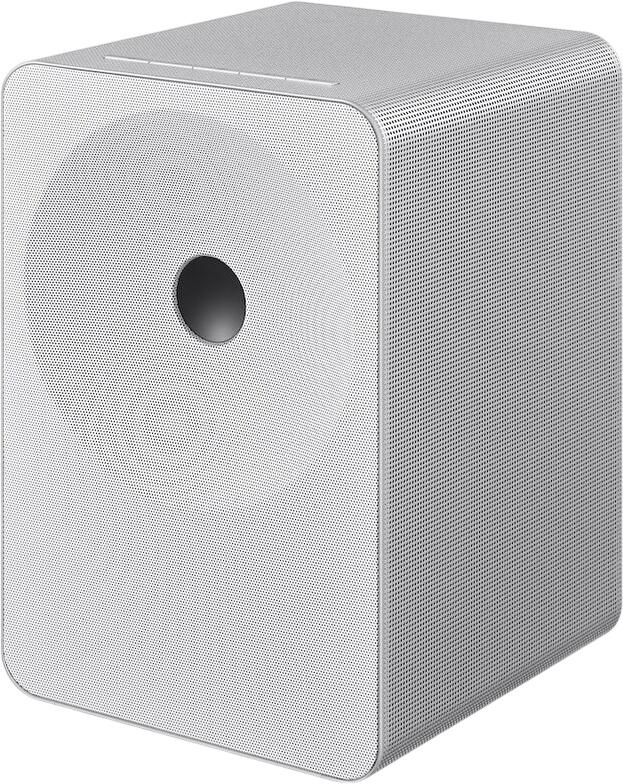
- Mains-powered speaker: best for longer sessions and higher output
- Two-speaker setup: best for wider coverage and more balanced sound
- Compact single speaker: best for casual house parties and simpler storage
If you are buying for occasional summer use, portability may matter more. If you host regularly, stronger mains-powered models can be the better long-term investment.
The best party speaker is the one that fits the occasion
A great party speaker is not simply the loudest one on the page. It is the one that matches your space, your music habits and the way you actually host. For some people, that means a portable speaker with battery power, Bluetooth and simple lighting. For others, it means a larger mains-powered model with microphone inputs, app control and the ability to fill a bigger room or garden with sound.