





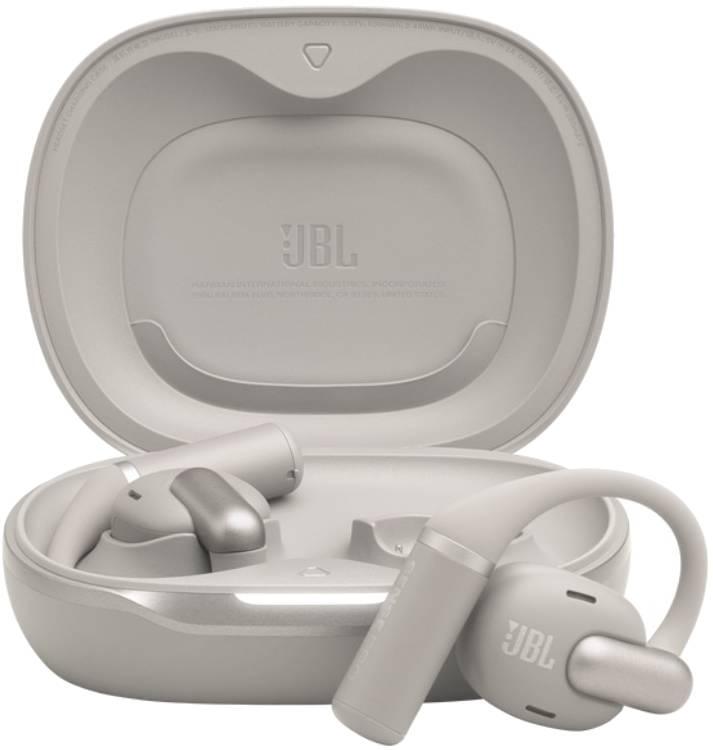
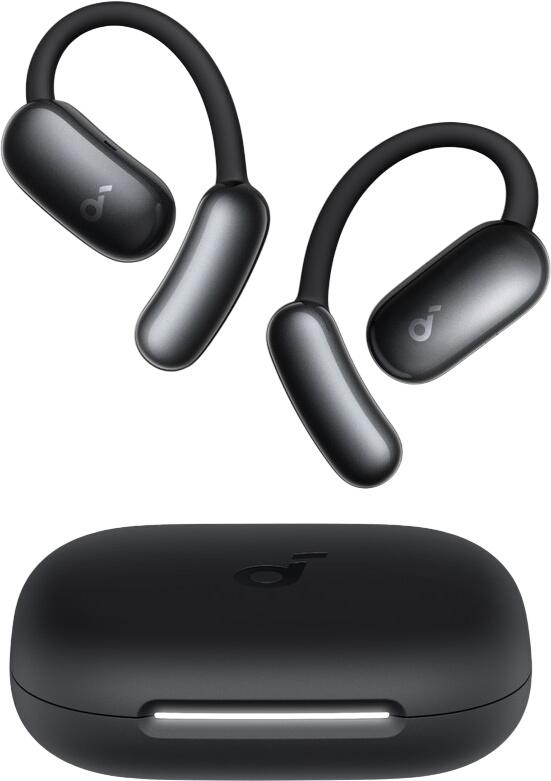
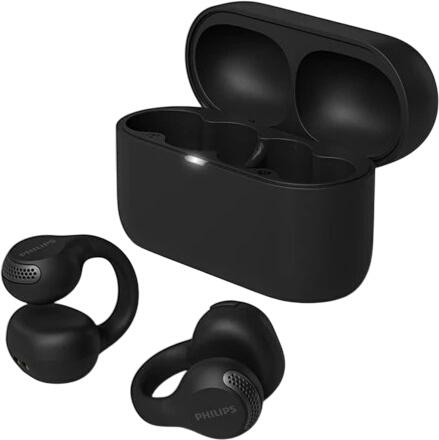
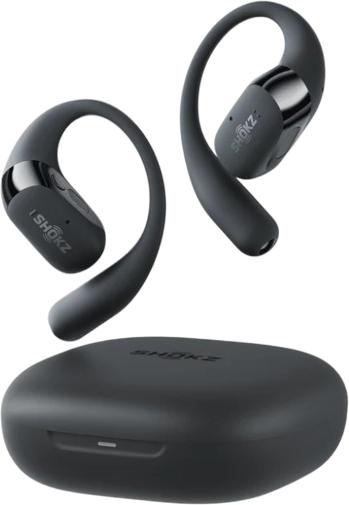


Newly Added Products


Open-Ear Headphones: Consumer tips
What are open-ear headphones?
Open-ear headphones use standard air conduction, not bone conduction. That means they direct sound towards the ear in a more familiar way, rather than sending vibrations through the skull. This is one of the biggest differences between open-ear and bone-conduction designs.
Compared with other headphone types:
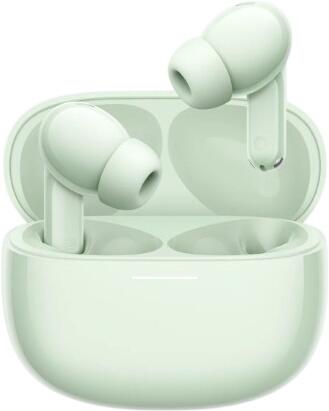
- In-ear headphones go into the ear canal and block more outside sound
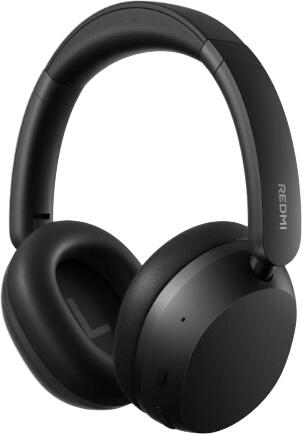
- Over-ear headphones sit around the ear and usually isolate more strongly
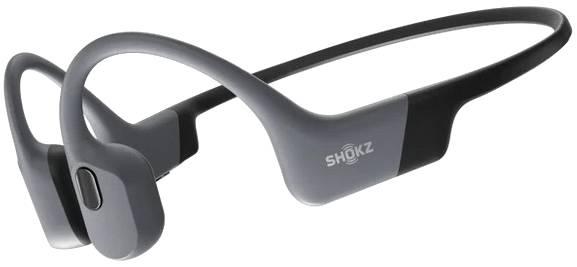
- Bone-conduction headphones leave the ear open but use vibration rather than direct sound projection
- Open-ear headphones keep the ear canal open while using traditional sound delivery through the air
This gives open-ear models a distinctive balance of comfort, awareness and sound quality.
What designs are available?
Open-ear headphones come in several different shapes, and fit matters a lot because this category relies heavily on stable positioning.
Common formats include:
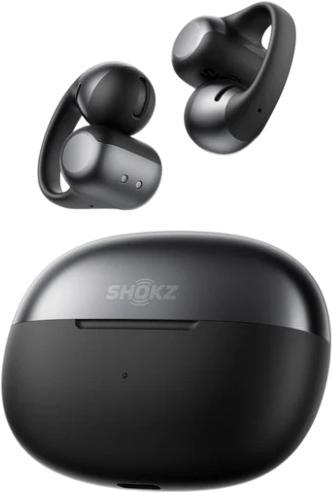
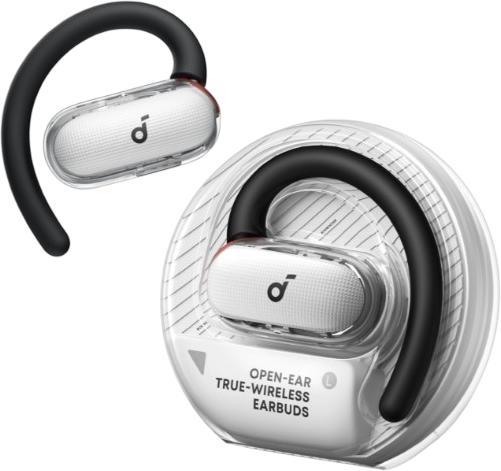
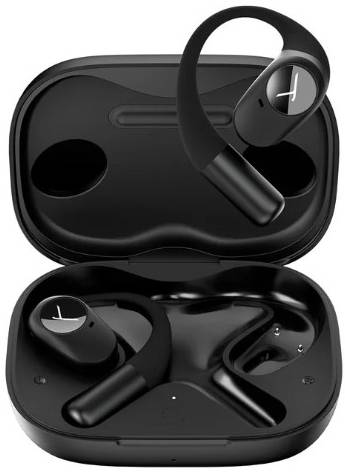
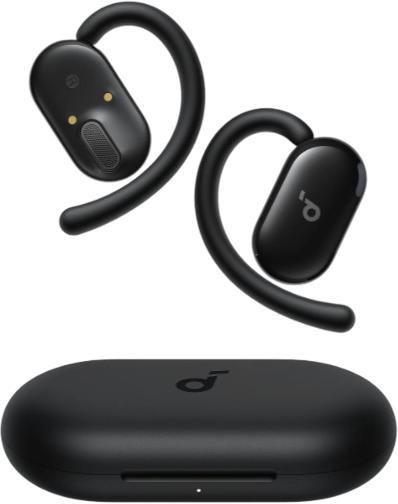
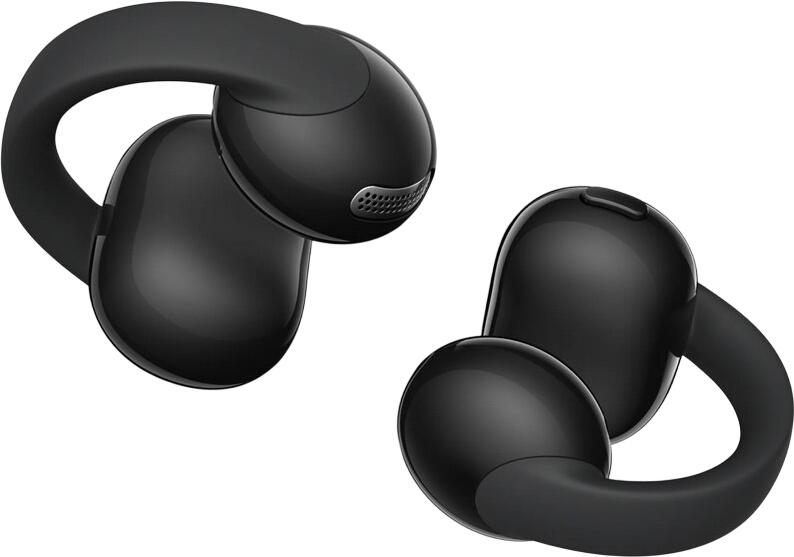
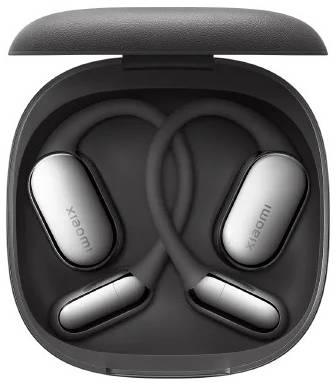
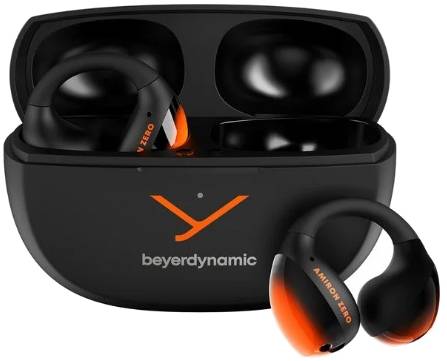
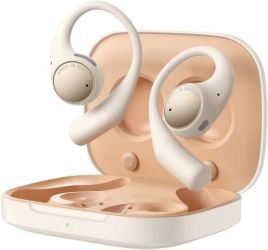
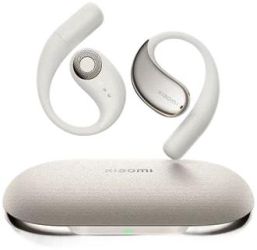
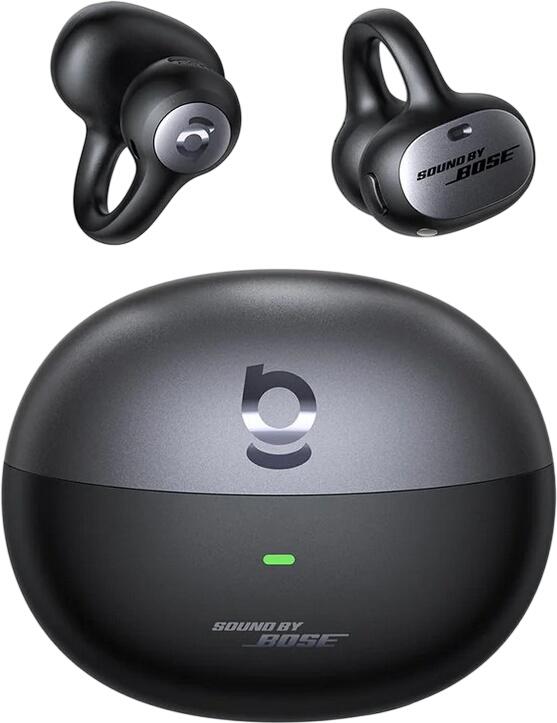
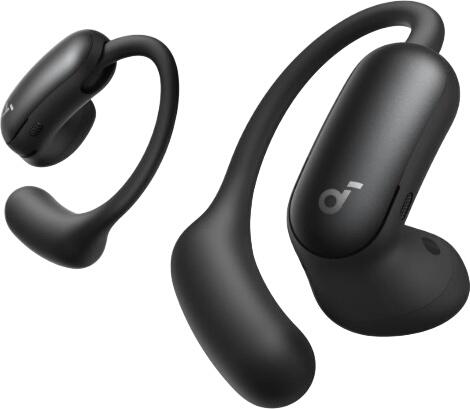
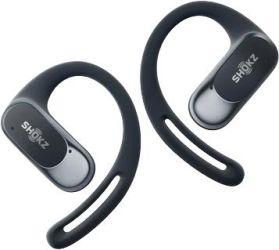
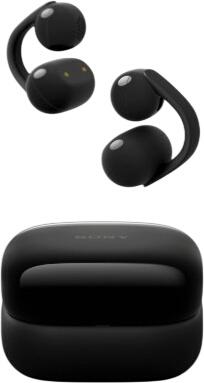
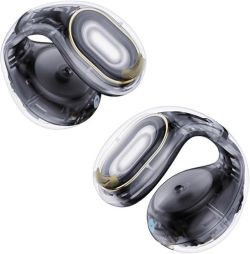
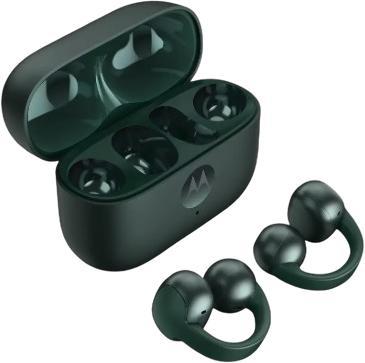
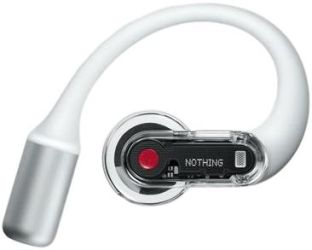
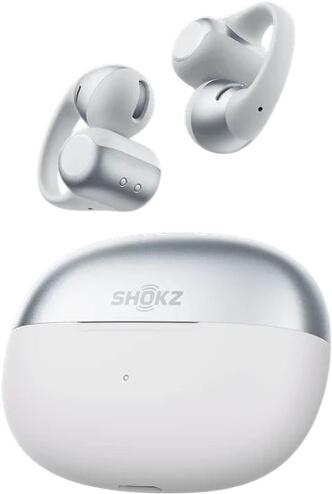
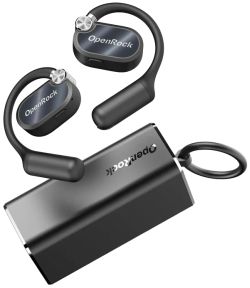
- Clip-on designs that sit around or near the ear cartilage
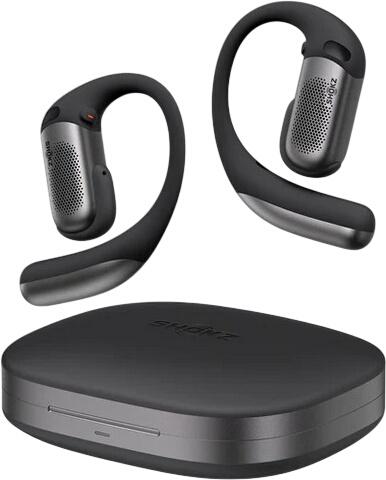
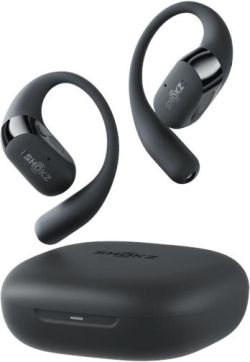
- Side-clipping designs that hold the driver just outside the ear
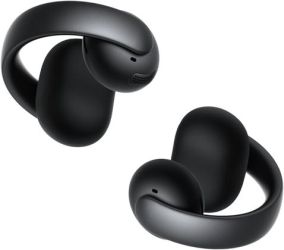
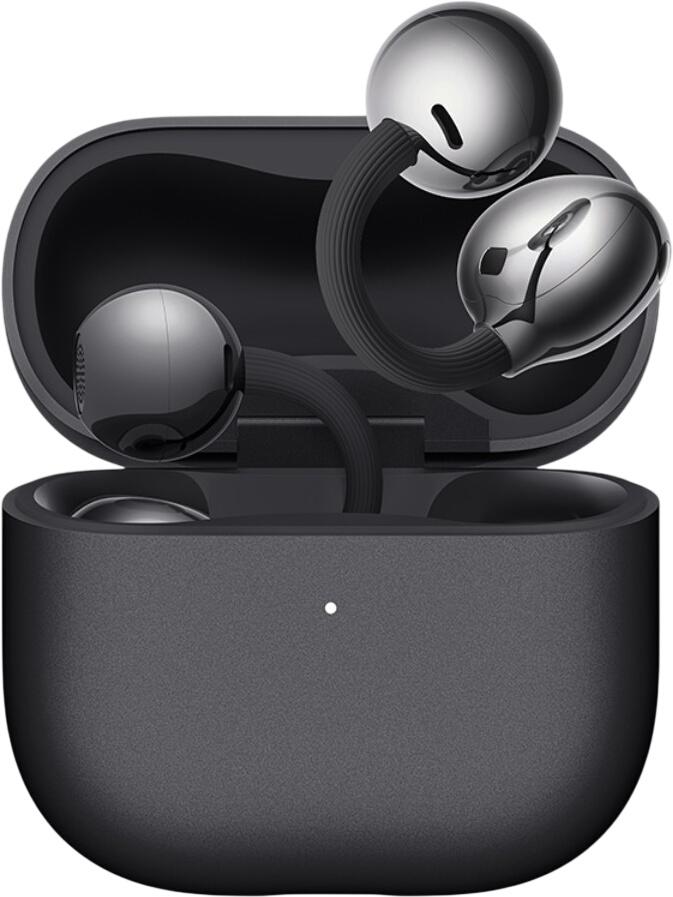
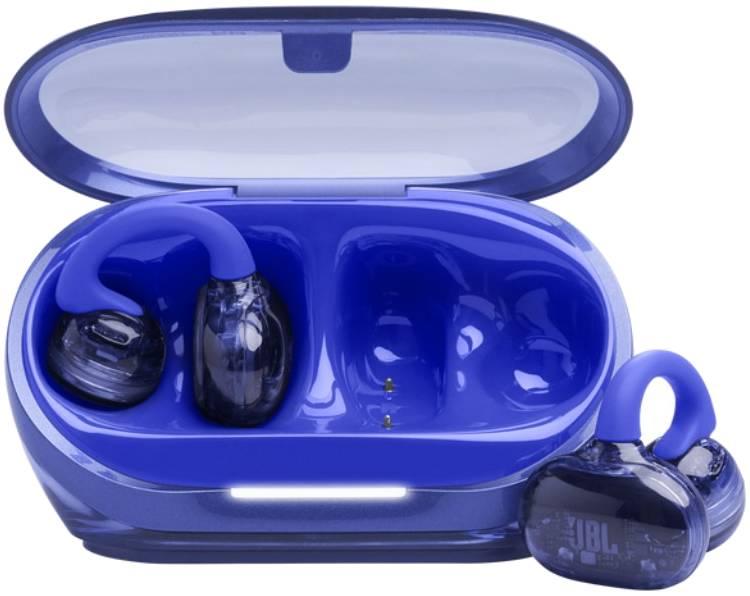
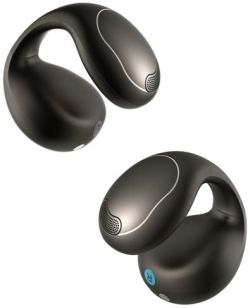
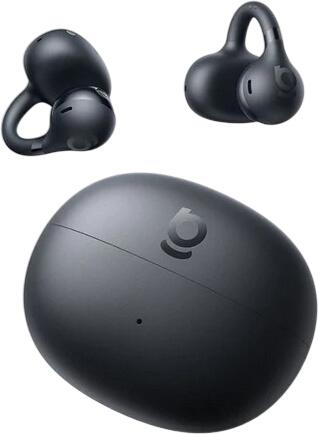
- Ring-style designs that sit lightly in the outer ear area without sealing it
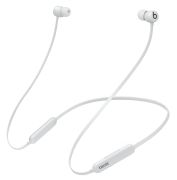
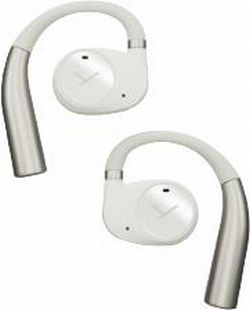
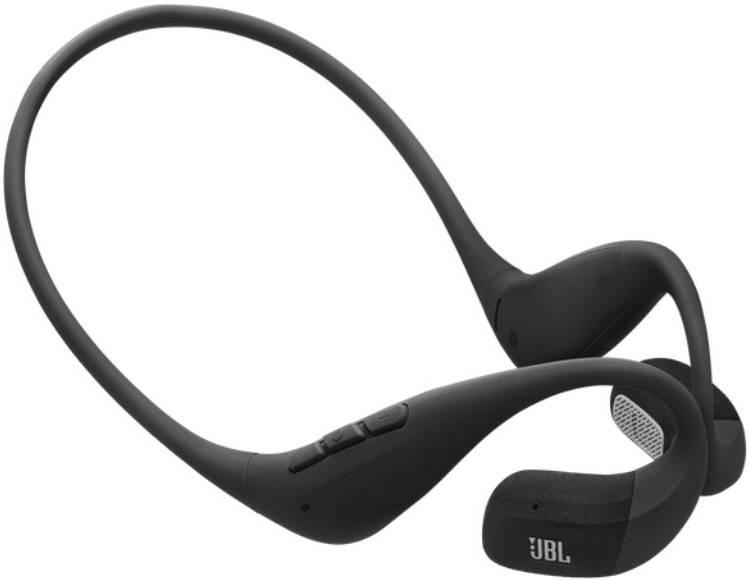
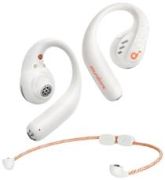
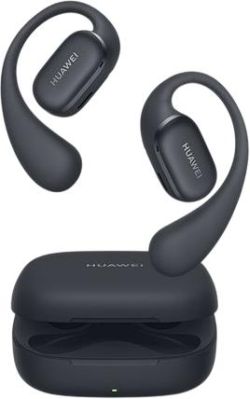
- Neckband-style models aimed more at sport and active use
- Glasses-integrated options with audio built into the frame arms
Clip-on designs are a common format because they tend to offer a secure fit for everyday movement and exercise. However, comfort still depends on ear shape, and not every design suits every person equally well.
Who are open-ear headphones for?
Open-ear headphones are best suited to people who want to keep hearing what is going on around them. That includes:
- Runners and walkers
- Cyclists and outdoor users
- People working in open-plan offices
- Parents who want to stay alert at home
- Listeners who dislike in-ear pressure
- Anyone who finds earbuds irritating or unhygienic
They are also useful for calls and light listening during the day, especially if you regularly move between listening and conversation rather than wanting full isolation.
How good is the sound quality?
Sound quality has improved a lot, but open-ear headphones still come with clear trade-offs. The biggest limitation is bass. Because the ear canal is left open, low frequencies do not build up in the same way they do with sealed earbuds or over-ear headphones. That means open-ear headphones are usually better for:
- Podcasts
- Audiobooks
- Voice calls
- Casual music listening
- Background listening while staying aware
They are generally less ideal for people who want deep bass, strong isolation or the most immersive music experience. Compared with bone-conduction headphones, though, open-ear models often sound more natural and clearer in the midrange and treble.
Open-ear vs bone conduction
These two categories are often confused, but they are not the same.
A simple comparison:
- Bone-conduction headphones transmit sound as vibrations through the skull
- Open-ear headphones use normal air-conducted sound directed towards the ear
- Bone conduction often sounds thinner or less detailed
- Open-ear usually sounds more natural for speech and music
- Bone conduction can create a vibrating sensation at higher volumes
- Open-ear avoids that sensation entirely
If your main goal is awareness with better everyday sound quality, open-ear is often the more appealing choice.
Battery life and connectivity
Battery life varies by model, but open-ear headphones often perform well because they do not need to power active noise cancelling. In practice, many current models offer solid day-to-day battery performance, especially when combined with the charging case.
What matters most is not one fixed battery figure, but whether the headphones suit how you use them. Look for:
- Enough runtime for your normal listening day
- Fast charging support
- Reliable call performance
- A stable Bluetooth connection
- A compact charging case if portability matters
In 2026, newer models commonly use Bluetooth 5.3 or 5.4, and some products may also support newer wireless audio features such as LE Audio, depending on the device ecosystem and brand implementation. That is more current than treating Bluetooth 5.2 as the modern baseline.
What should you consider before buying?
Open-ear headphones are not about maximum immersion. They are about balance. Before buying, think carefully about what you want them to do best.
Key buying points include:
- Comfort and fit
- How secure they feel during movement
- Sound leakage in quieter places
- Call quality
- Battery life
- Whether awareness is more important than bass or isolation
- Compatibility with glasses, hats or helmets if relevant
Because fit is so personal in this category, the design can matter just as much as the sound.
A smart choice for awareness-first listening
Open-ear headphones are one of the most useful modern headphone categories for people who want to stay connected to their surroundings. They are not the best option for deep bass, travel isolation or fully private listening, but they can be excellent for exercise, office use and daily life where comfort and awareness matter more.