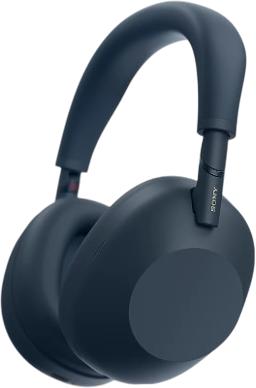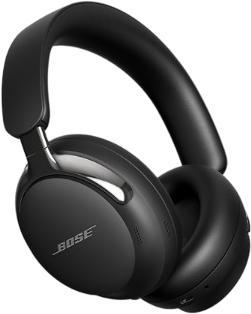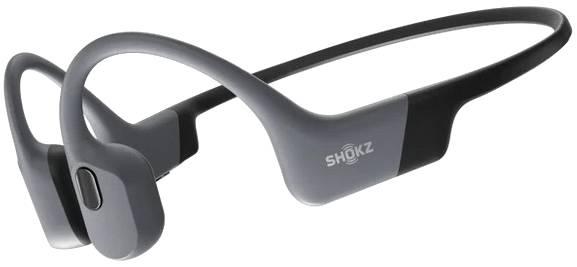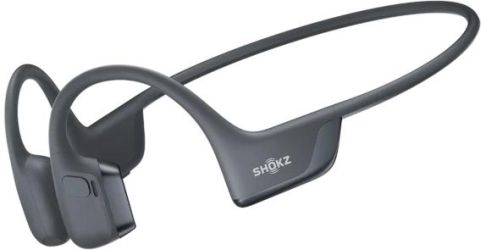









Newly Added Products
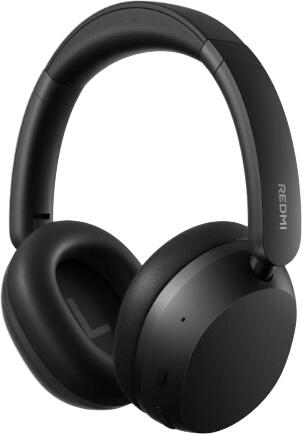
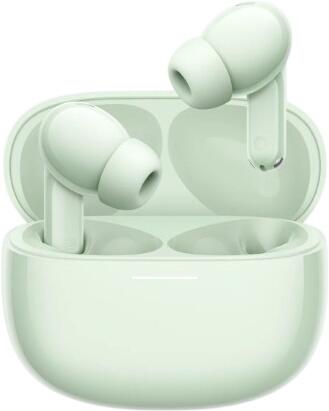
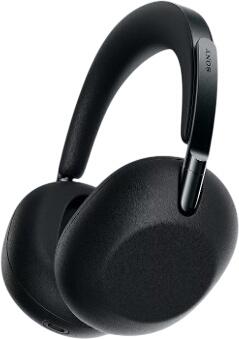
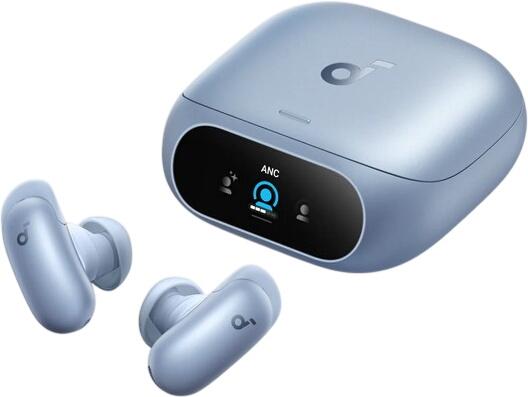
Headphones wireless: Consumer tips

How do wireless headphones work, and what technology is behind them?
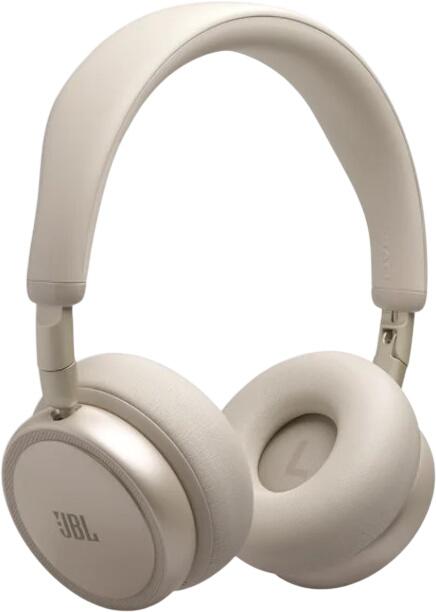
Wireless headphones transmit audio signals from the source device to the headphones via Bluetooth, where the received digital signals are converted into sound waves using integrated DAC chips (digital-to-analogue converters) and amplifiers. At the core is a powerful Bluetooth chip that coordinates connection set-up, signal processing and power management, and therefore has a significant influence on connection quality, latency and battery life. The digital signal processing (DSP) within the headphones handles tasks such as sound optimisation, equaliser adjustments, active noise cancelling and latency compensation, with more powerful processors able to process more features simultaneously. Unlike true wireless earbuds, wireless over-ear and on-ear headphones use a shared battery housed in one of the ear cups or in the headband, whose larger size allows for considerably longer battery life. Many models also offer a wired connection as a fallback when the battery is flat or when zero latency is required for gaming. The integrated amplifier must drive the larger drivers found in over-ear or on-ear models, which results in higher power requirements than with earbuds.
How do wireless headphones differ from true wireless earbuds?
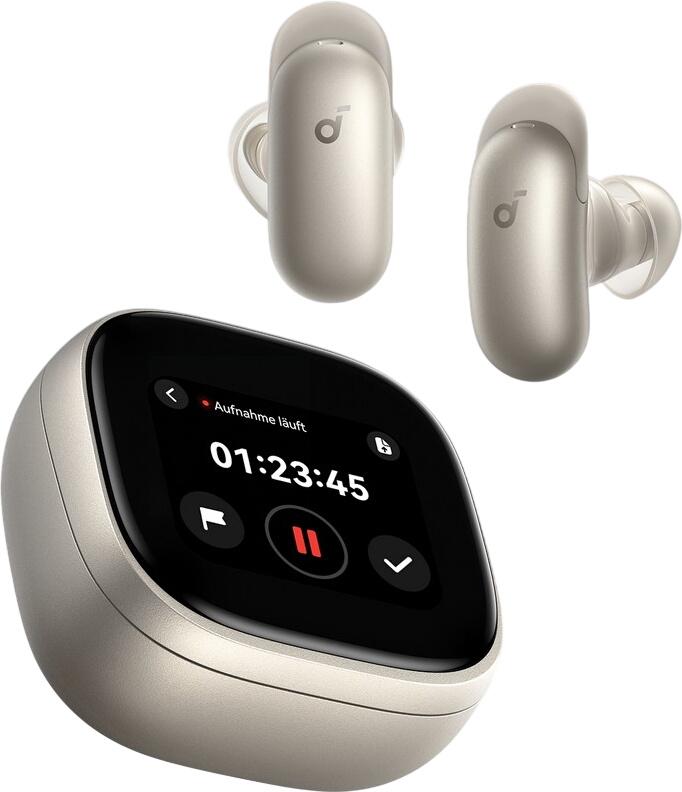
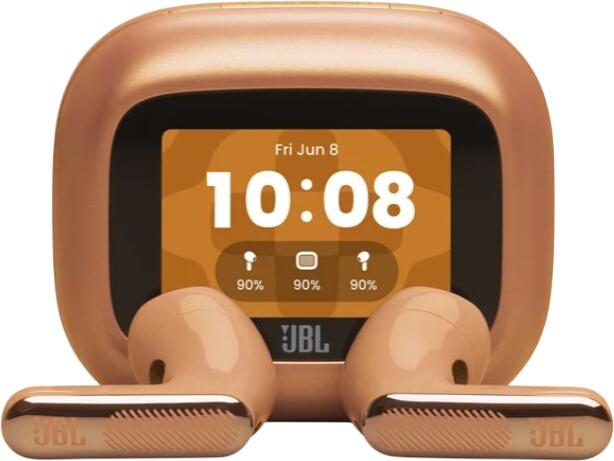
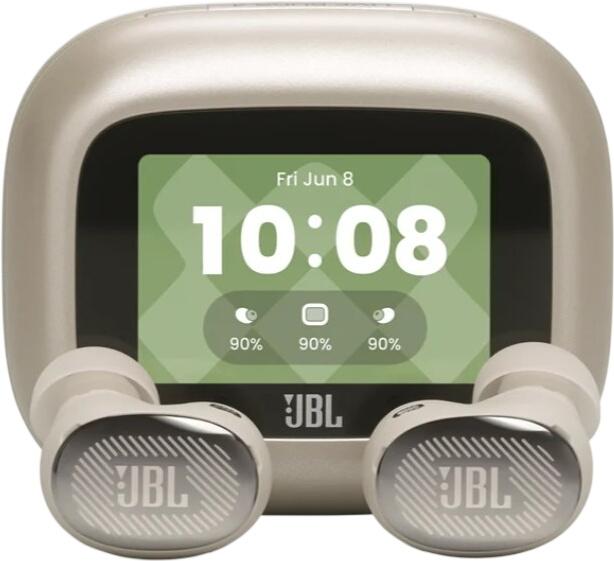
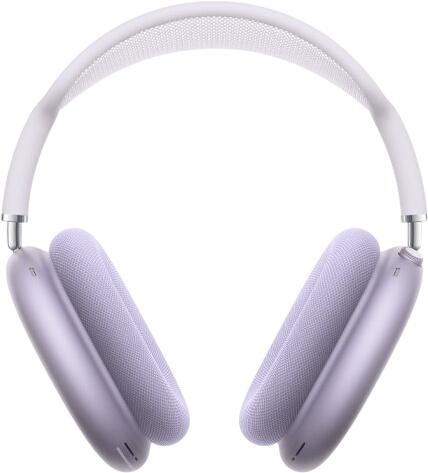
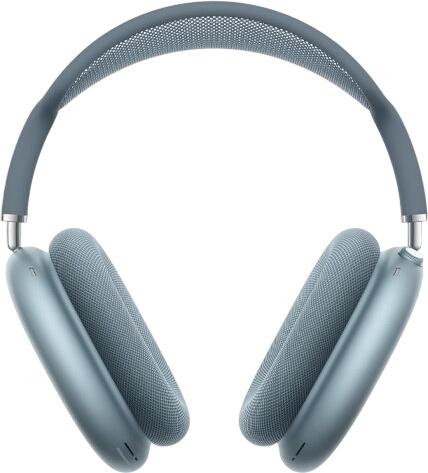
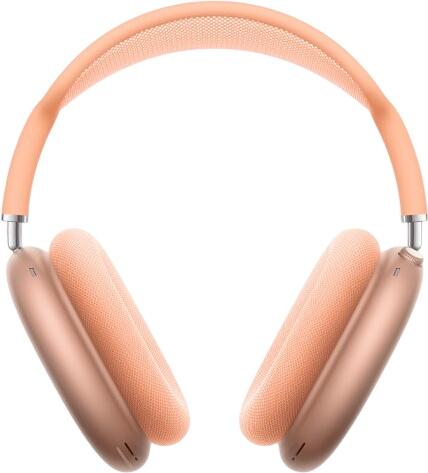
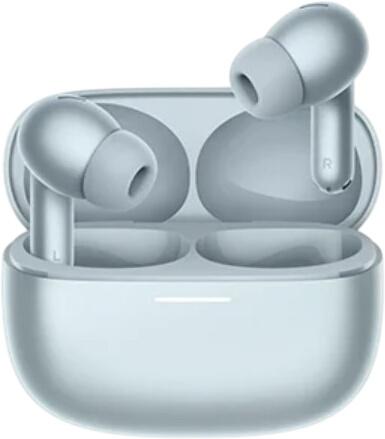
The distinction between wireless headphones with a headband and true wireless earbuds is important when making a purchase, as both categories have different strengths. The most obvious difference lies in the design: wireless headphones sit on or around the ears and, due to their larger size, generally offer significantly better sound quality, longer battery life and more comfortable wear over extended periods. Their larger drivers produce stronger bass and a more spacious soundstage, while the extra internal space allows for more powerful ANC implementations and more extensive electronics. True wireless earbuds, by contrast, are far more compact and portable, have no headband and fit easily into any trouser pocket, but their miniature form factor limits both sound quality and battery life. Headband-style wireless headphones are particularly well suited to longer listening sessions at home, in the office or while travelling, where portability is less critical and long-term wearing comfort matters more. Another advantage of wireless headphones is the option of wired operation: most models include an audio cable and can be used in wired mode when the battery is empty or when gaming requires latency-free audio. Sound leakage from more open headphone designs is greater than with well-fitting earbuds, which can be relevant in quiet offices or on public transport. For sporting activities, headphones are generally less comfortable than earbuds, as the fit is less secure during running or intensive exercise and their larger size can become inconvenient.
Which Bluetooth versions and connection standards matter?
The Bluetooth version has a major impact on the connection stability, energy efficiency and feature set of wireless headphones, with newer versions bringing noticeable day-to-day improvements. Bluetooth 5.0 is now the minimum standard for current models and, compared with older versions, offers double the theoretical data transfer speed, up to four times the range — as much as 40 metres — and significantly improved connection stability in environments with lots of interference. Bluetooth 5.2 and 5.3 bring further gains in energy efficiency and enable new features such as LE Audio, which introduces a new, more efficient codec called LC3 and forms the basis for Auracast broadcasting. In practice, connection range varies considerably: although manufacturers often quote 10 to 30 metres, walls, other wireless networks and electronic devices can reduce the effective range to 5 to 10 metres. Connection dropouts when walking with a smartphone in a pocket are a well-known issue in lower-quality implementations. Fast pairing via NFC allows compatible models to connect instantly by tapping the smartphone.
How important is battery life, and what charging technologies are available?
Battery life is one of the most important purchasing criteria for wireless headphones and has improved considerably in recent years, with almost all models now offering long runtimes. Current flagship models provide 30 to 40 hours of playback without ANC, while enabling active noise cancelling typically reduces battery life by 20 to 30 per cent. Budget models often achieve only 20 to 25 hours, although this is still entirely sufficient for most everyday users. Manufacturers’ quoted figures usually refer to medium volume levels without ANC, so realistic real-world figures are often 10 to 20 per cent lower. Fast-charging features are now virtually standard in modern headphones and allow 10 to 15 minutes of charging to deliver an additional two to three hours of playback, which is particularly helpful if the headphones were not charged overnight. A full charge takes around two to three hours on most models via USB-C, which has now almost completely replaced the old Micro-USB connector. Qi wireless charging is becoming increasingly common in premium models and allows cable-free charging on compatible charging pads, adding convenience. Power-saving features such as automatic shut-off after a period of inactivity, wear-detection-based pausing or standby mode when the Bluetooth connection is lost can significantly extend battery life in everyday use. Battery degradation is also a long-term consideration: after 300 to 500 charge cycles, lithium-polymer batteries typically lose 20 to 30 per cent of their original capacity.
What should you look for when buying wireless headphones?
Choosing the right wireless headphones requires a systematic assessment of various factors, with individual priorities such as sound quality, ANC, comfort, features and budget guiding the decision. The main use case determines the basic requirements: for commuters and travellers, excellent ANC is usually the most important criterion, whereas for home use and critical listening, sound quality should take priority. Codec compatibility must match the smartphone being used: iPhone users are generally well served by AAC, while Android users may benefit from aptX or LDAC. Where possible, ANC quality should be assessed through personal testing, as sensitivity and subjective perception vary greatly. Comfort is essential for headphones that will be worn for several hours and should be evaluated by trying them on, taking into account pad materials, clamping force and weight. Battery life must fit the intended usage pattern: for long-haul flights, 30+ hours is advisable, whereas 20 hours may be sufficient for daily commuting. A multipoint connection is an important feature for users with multiple devices and should be specifically sought if needed. Build quality and materials determine durability: metal headbands and high-quality padding tend to outlast plastic constructions by a considerable margin. App support and the availability of updates also influence the long-term user experience. Foldability and a carrying case are relevant factors for mobile use.