













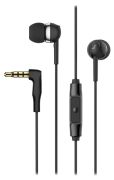
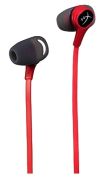
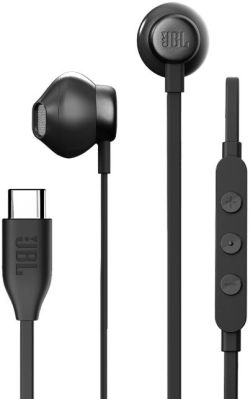
Newly Added Products

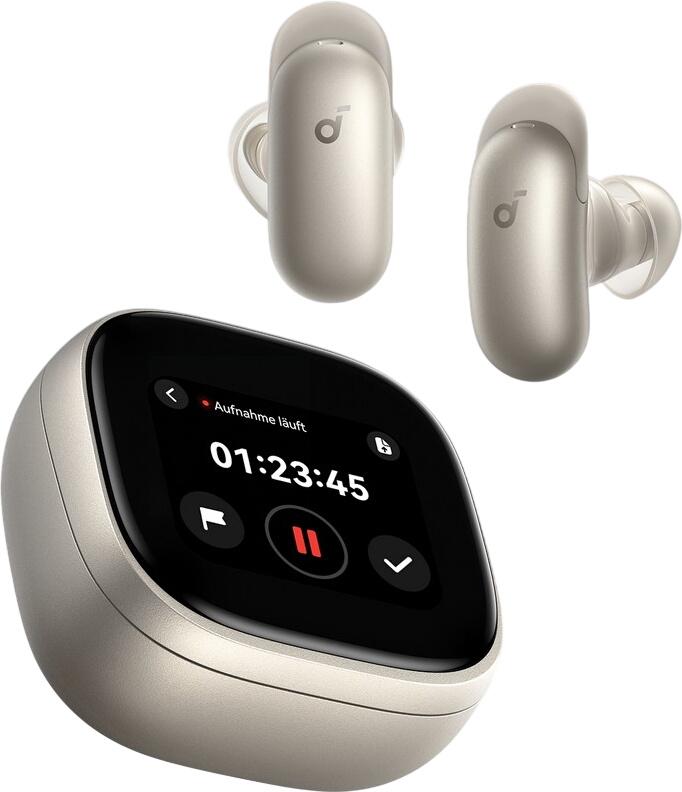



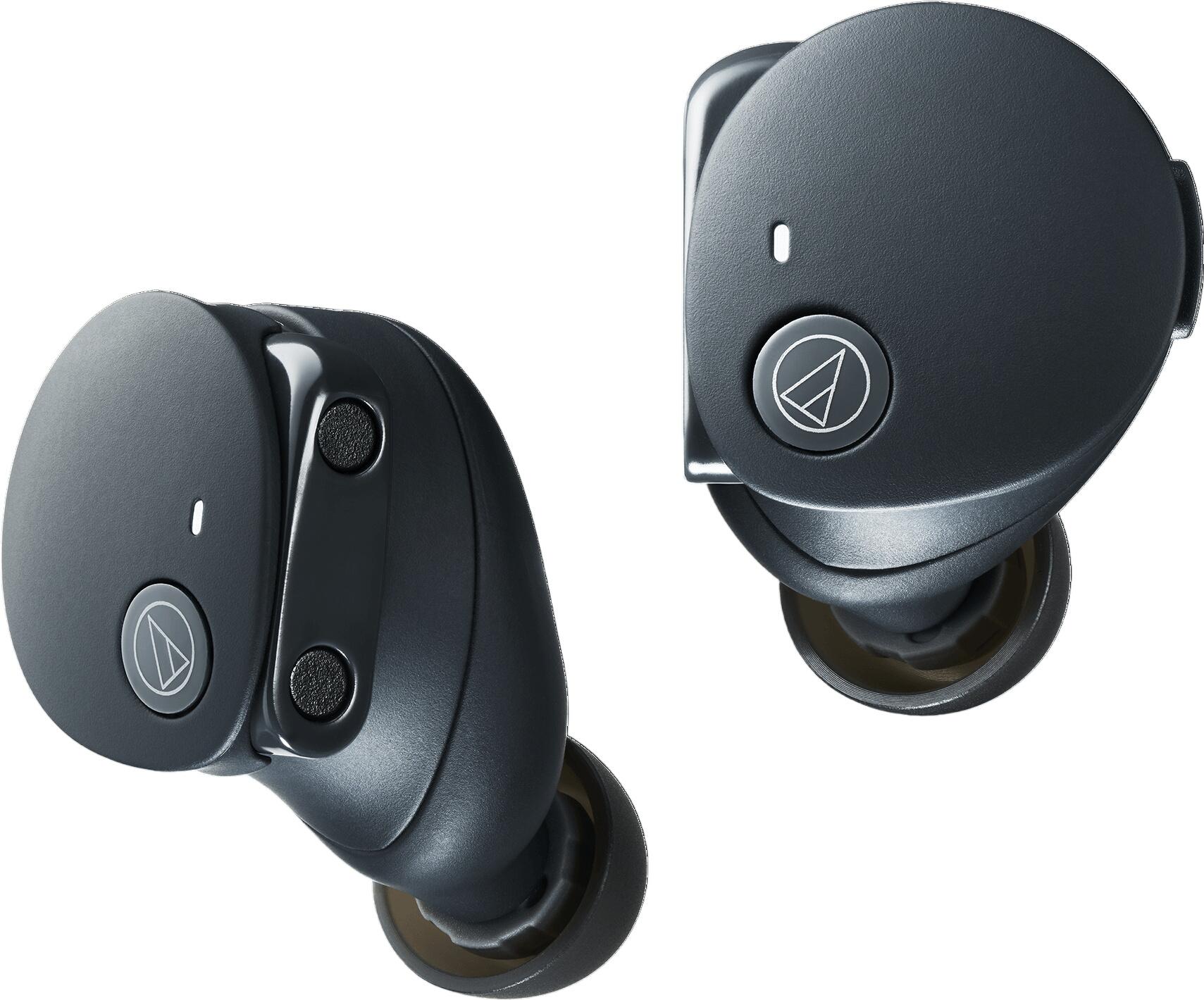
In-ear headphones: Consumer tips
How do wired in-ear headphones work and what driver technologies are available?
Wired in-ear headphones convert electrical audio signals into sound waves directly in the ear canal through various driver technologies, with the close positioning to the eardrum providing acoustic advantages. Dynamic drivers are the most common technology and use a diaphragm connected to a voice coil that moves in a magnetic field, causing air molecules to vibrate. This proven technique offers strong bass and natural dynamics at relatively low production costs, which is why it is used from affordable entry-level models to high-end flagships. The driver size in in-ears varies between 8mm and 13mm, with larger drivers generally allowing for more bass reproduction. Balanced armature drivers were originally developed for hearing aids and are extremely compact with high efficiency. They provide excellent detail resolution and precise mid and high-frequency reproduction but cannot produce deep bass due to physical limitations. Therefore, they are almost always used in multi-driver configurations, where multiple balanced armature drivers cover different frequency ranges. These so-called multi-BA systems can contain two to ten or more drivers per earphone, achieving impressive detail resolution and frequency linearity. Hybrid drivers combine dynamic drivers for bass with one or more balanced armature transducers for mids and highs, uniting the strengths of both technologies. This configuration is very common in mid-range and high-end in-ears and often provides the best overall sound profile. Planar magnetic drivers are the latest development in the in-ear sector, offering exceptional precision and low distortion but requiring more amplifier power and are still limited to a few premium models. Electrostatic in-ears represent the absolute pinnacle of technology, providing unparalleled detail resolution but requiring special power supplies and are correspondingly expensive.
What connections are available?
The classic 3.5mm jack is the universal standard and works with virtually all playback devices from smartphones to laptops to dedicated audio players. The quality of the connector design varies from gold-plated contacts for better corrosion resistance to L-shaped plugs that create less mechanical stress when worn. USB-C connections allow use with modern smartphones without a headphone jack. Integrated DAC chips (digital-to-analog converters) handle digital signal processing and significantly influence sound quality. Replaceable cables are an important feature of many high-quality in-ears: connector systems like MMCX or 2-pin allow for the replacement of damaged cables, upgrades to higher-quality aftermarket cables, or switching between different connection types. Cable breaks are the most common cause of in-ear headphone failure, which is why robust sheaths made of Kevlar or braided materials significantly extend lifespan. Microphone and remote control modules are integrated into many models, allowing call control, volume adjustment, or music playback without reaching for the device.
Tips and fit and why are they important?
The right ear tips are crucial for sound quality, comfort, and noise isolation, with a poor fit potentially degrading the sound of even the most expensive headphones. Silicone tips are the most common variant and are supplied in sizes XS to XL, with most manufacturers including three to five sizes. They provide good sealing, easy cleaning, and long durability but can cause slight pressure in sensitive ear canals. Single-flange silicone tips are designed for shallower insertion and are suitable for users who do not want to insert classic in-ears too deeply into the ear. Double-flange or triple-flange tips offer better sealing through multiple density levels and are particularly popular in models for monitoring or stage applications, as they provide maximum isolation in loud environments. Memory foam tips made of viscoelastic foam are compressed before insertion and then adapt to the individual shape of the ear canal. They offer the best sealing and noise isolation of all tip types as well as excellent comfort during prolonged use but must be replaced after a few years as the foam loses its elasticity. For audiophile applications, tips from specialist manufacturers like Azla or Final Audio are often used, which improve the sound characteristics of the headphones through optimised geometry or special materials. Custom ear molds represent the top tier and are made by hearing aid acousticians or specialised audio shops through ear canal impressions. They fit perfectly to the individual ear canal, offer maximum isolation and optimal fit, but cost an additional 50-200 pounds.
Closed or open design?
The acoustic design of in-ear headphones fundamentally influences the sound character and, together with the carrier system, significantly determines how open or closed the listening experience feels. Closed in-ears are the most common variant and feature sealed housings that create an acoustically isolated chamber. This design maximises bass reproduction through pressure build-up in the ear canal, offers excellent passive noise isolation of 15-30 dB, and prevents sound leakage to the outside. They are ideal for on-the-go use, in noisy environments, or in situations where others should not be disturbed by sound. Disadvantages can include a certain "in-head feeling," where instruments sound less spatial than with open designs, as well as possible pressure sensations during prolonged use.
Open or semi-open in-ears feature openings or vent holes in the housing that allow air and sound to circulate. Similar to open over-ear headphones, this results in a more natural, spatial sound representation with better stage imaging. The listening experience feels less isolated, which is more pleasant for longer listening sessions. Disadvantages include lower noise isolation, sound leakage at higher volumes, and generally weaker bass reproduction. Vented designs with strategically placed pressure relief openings improve the naturalness of reproduction by creating air pressure equalisation between the ear canal and the environment.
What impedance and sensitivity are relevant for different source devices?
Impedance and sensitivity determine the compatibility of wired in-ear headphones with various playback devices and have a significant impact on the actual sound. Impedance is measured in ohms and describes the electrical resistance of the headphones to the audio signal. Low-impedance in-ears between 8-32 ohms are designed for direct operation with smartphones, laptops, or portable players and achieve sufficient volume even at low output levels. These models are the most common variant for regular consumers. High-impedance models with 100-300 ohms or more require correspondingly powerful sources or dedicated headphone amplifiers to unleash their full potential. On weak sources, they sound quiet and often lack bass, while a suitable amplifier significantly elevates the sound level. Sensitivity is specified in dB/mW or dB/V and describes how loud the headphones become at a given input power. Highly sensitive models from 100 dB/mW become very loud even at low power and can make the amplifier's background noise audible on low-noise sources. Less sensitive models between 90-100 dB/mW often offer better sound quality on high-quality sources. The combination of impedance and sensitivity determines whether a headphone matches a particular source: a high-impedance, low-sensitivity headphone sounds frustratingly poor on a smartphone, while it can shine on a dedicated amplifier. As a rule of thumb, the output impedance of the source device should be a maximum of 1/8 of the headphone impedance.
What should you look for when buying wired in-ear headphones?
Choosing the right wired in-ear headphones requires careful consideration of various factors, with personal sound preferences, source device compatibility, and the intended use being the most important decision criteria. Compatibility with the playback device must be checked first: low-impedance models work seamlessly with smartphones, while higher-impedance models may require a dedicated headphone amplifier or DAC. The sound tuning should match personal taste and the main genre of music listened to. The fit must be individually tested, as every ear canal is different, and even supplied tips in various sizes can yield different results. Replaceable cables are an important quality feature that makes the headphones repairable in case of cable damage. The build quality is reflected in sturdy housings, high-quality cables, and precise connections. Driver configuration and technology influence the sound character: dynamic drivers for natural sound, balanced armature for detail resolution, hybrid for balanced performance.
How do in-ear headphones differ from earbuds or over-ear headphones?
In-ear headphones sit in the ear canal, while earbuds only rest in the ear and over-ear headphones encase the ears. In-ears provide the best hold and the strongest shielding from external noise.
Are in-ear headphones harmful to the ears?
At moderate volume and with regular breaks, they are safe. However, prolonged use at high volume can damage hearing.
How should an in-ear headphone fit properly?
It should sit comfortably and securely in the ear canal without pressing or being too loose. Suitable silicone or foam tips in various sizes help achieve the optimal fit.
What to do if in-ear headphones slip out of the ear?
Using differently sized tips and special sports tips usually provides better hold. It is worth trying different sizes.