








Newly Added Products




Bone conduction headphones: Consumer tips
How do bone conduction headphones work and what technology is behind them?
Bone conduction headphones utilise the natural phenomenon of bone conduction, which people are already familiar with from everyday life: Your own voice sounds different in recordings than in direct hearing because it is usually partially perceived through the skull bones. The transducers of bone conduction headphones are typically positioned in front of the ears on the temporal bones and create precise vibrations that are transmitted directly to the inner ear through bones and tissue. The inner ear receives these vibrations and processes them in the same way as normal air sound signals, allowing the brain to perceive the signals as music or speech. The transducers used are specially developed piezoelectric or electromagnetic converters that transform electrical signals into mechanical vibrations and transmit them to the bone with high precision. Bones conduct low frequencies particularly efficiently, while high frequencies are transmitted significantly worse, which explains the characteristic sound balance of these headphones. Modern bone conduction headphones use sophisticated signal processing algorithms that adjust the output signal to create a balanced sound image despite physical limitations. The typical design as a band behind the head or as glasses keeps the transducers permanently in an optimal position on the temporal bones, with the pressure applied needing to be precisely calibrated: too little pressure significantly worsens transmission, while too much causes discomfort.
Who are bone conduction headphones particularly suitable for?
Athletes and outdoor enthusiasts represent the primary target group, as free ears provide maximum safety while running, cycling, or inline skating. Hearing ambient sounds like traffic, bicycle bells, or warning calls can be life-saving, while simultaneously enjoying music or navigation is possible. Most models are sweat-resistant and often waterproof to IP55 or higher, making them ideal for intense workouts. People with conductive hearing loss, where the outer or middle ear is affected, can benefit from bone conduction technology as the inner ear is stimulated directly, bypassing the damaged transmission path. However, this does not apply to sensorineural hearing loss, where the inner ear itself is affected. Glasses wearers and people who use hearing aids appreciate the absence of objects in the ear canal, as bone conduction headphones can be worn comfortably alongside glasses or hearing aids. Professionals in certain fields such as police, military, construction, or logistics require constant situational awareness and can enjoy communication or music at the same time. For audiobook or podcast listeners in the city, the combination of entertainment and traffic safety is attractive. Bone conduction headphones are less suitable for critical music listening, loud environments, or applications that require high sound quality.
What advantages and disadvantages do bone conduction headphones offer in comparison?
Bone conduction headphones offer unique advantages that make them irreplaceable for certain use cases, but they also come with inherent limitations that should be honestly evaluated when making a purchase decision. The biggest advantage is the complete freedom of the ear canal: no earplugs mean no pressure sensations, no hygiene issues from a dirty ear canal, and no risk of hearing loss from excessive volume directly at the eardrum. People with sensitive ear canals or those who cannot tolerate in-ear headphones generally find bone conduction models a comfortable alternative. The constant situational awareness is a significant safety gain, especially in traffic or during outdoor activities. They can be worn simultaneously with ear protection, which is practical in noisy work environments. Water resistance and robust construction are standard in many models, allowing use in sports and demanding environments. Significant disadvantages exist in sound quality, which, even in premium models, does not match good in-ear or over-ear headphones. Bass is weak due to the physical properties of bone conduction, while highs often sound dull, and the overall frequency response is unbalanced. The sound quality is simply not comparable to conventional headphones. Sensations of vibration at the temples at high volumes can be distracting. Due to the open design, no noise isolation is possible, which in loud environments means that the volume must be increased, which paradoxically can strain the inner ear through bone conduction. Sound leakage is significant: surrounding people can hear the music at higher volumes, which can be problematic in public transport or quiet offices.
How good is the sound quality?
The sound quality of bone conduction headphones is different from conventional headphones and should be assessed with realistic expectations, as physical laws limit performance, regardless of the price of the device. Bone conduction transmits mid-range frequencies between 300 Hz and 3000 Hz most efficiently, making speech and singing relatively well reproducible. Low frequencies below 200 Hz are hardly transmitted, leading to a pronounced lack of bass. Bass-heavy music genres like hip-hop, electronic dance music, or metal lose significant energy and impact as a result. High frequencies above 5000 Hz are also transmitted poorly, resulting in a certain dullness of the highs. Premium models from Shokz (formerly AfterShokz) have made significant advances in sound quality but still fall short of comparably priced conventional headphones. The perceived volume is lower in bone conduction models than in in-ear headphones at the same output level, as there is no direct sound transmission in the ear canal. For podcasts, audiobooks, phone calls, and navigation, the sound quality is usually completely adequate and clearly understandable. However, for music enthusiasts or critical listening, bone conduction headphones are clearly unsuitable. The assessment of sound quality should always be made in the context of the intended use: as sports and safety headphones, the quality is often acceptable, but as primary music headphones for home use, it is inadequate.
How safe are bone conduction headphones for hearing?
Bone conduction headphones are often marketed as being more hearing-friendly than conventional headphones, but the truth is somewhat different, and various aspects of hearing protection must be considered. The main advantage is that no sound waves are generated directly in the ear canal, relieving the ear canal itself and reducing the risk of pressure damage to the eardrum. With conventional in-ear headphones at high volumes, direct sound pressure is applied to the eardrum, which can lead to hearing damage if the recommended limits are consistently exceeded. However, bone conduction transmits sound energy directly to the cochlea, and at excessively high volumes, the sensitive hair cells of the inner ear can also be damaged through bone conduction. The cochlea does not differentiate between air and bone conduction – excessive energy exposure is harmful in both cases. The risk of hearing damage from bone conduction headphones is often underestimated, as the perceived volume is lower than the actual load on the inner ear. Users may be tempted to increase the volume further to achieve adequate audibility in loud environments, which paradoxically increases the risk of hearing damage. The open design makes this particularly relevant in street noise or sporting environments. Positive aspects for ear hygiene are clear: no insertion of plugs means no buildup of earwax, no pressure points in the ear canal, and a reduced risk of ear canal infections. For users with chronic ear problems or sensitive ear canals, bone conduction headphones can be the hygienically safer choice. The recommended volume limits should be adhered to, as with all headphones.
What designs and variations are available?
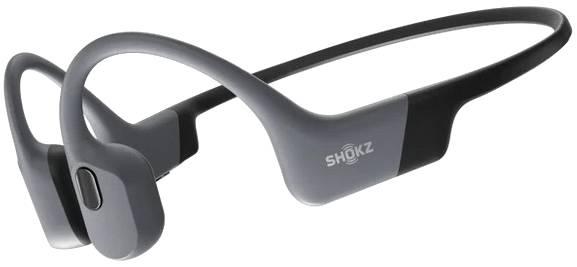
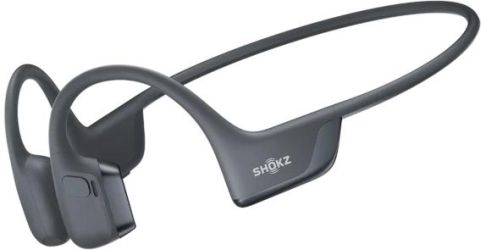
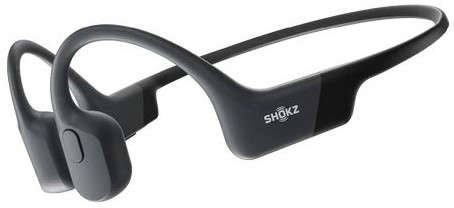
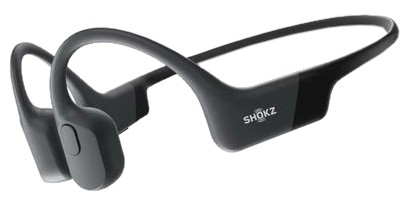
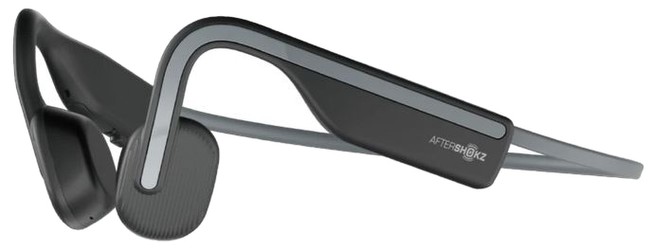
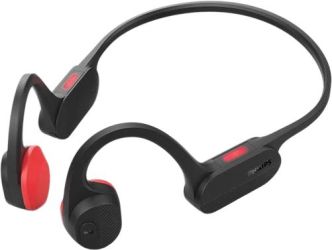
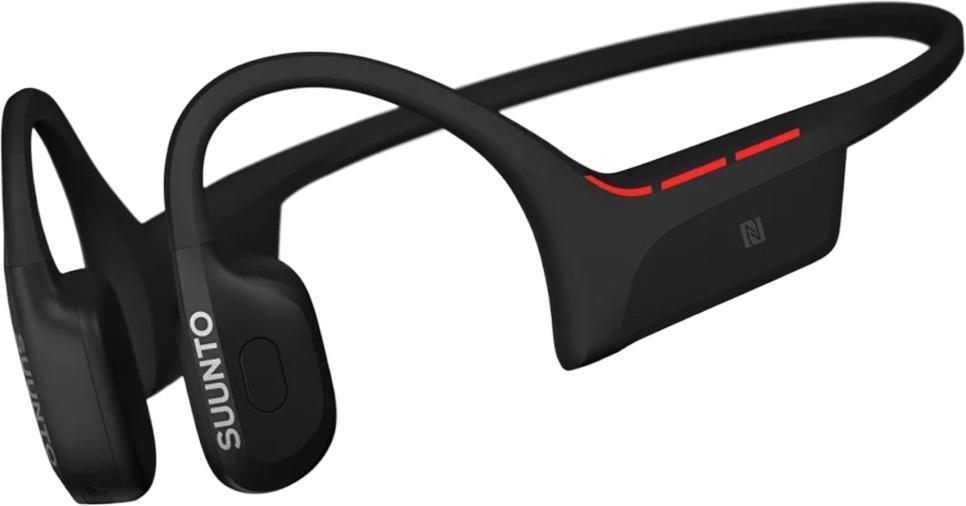
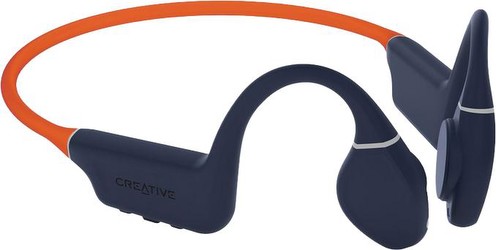
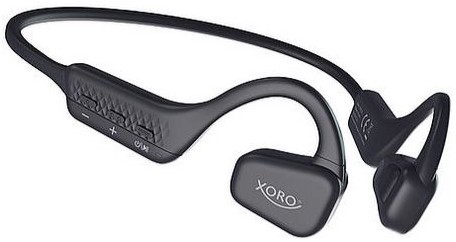
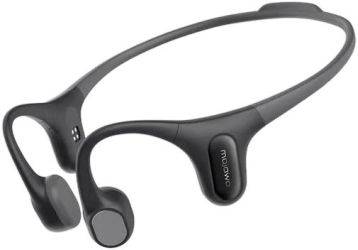
Bone conduction headphones are predominantly available in a characteristic band design. The classic neckband style is the most common variant and consists of a flexible band worn around the neck that presses the transducers against the temples. This form is particularly focused on sports and provides a spring tension through the elastic band that ensures optimal contact of the transducers. Integration into sunglasses or sports glasses is an innovative variant, where the transducers are integrated into the glasses' arms and are automatically positioned correctly when worn. This solution is particularly practical for cyclists, skiers, or other sports enthusiasts who already use sports glasses. Waterproof models with IP68 certification have been specifically developed for swimmers. These headphones can be fully submerged in water and transmit music through the water directly to the skull bones, with many models featuring built-in storage, as Bluetooth does not work underwater. Newer developments include in-ear bone conduction hybrids that utilise a small part of the ear canal while also using bone conduction to improve bass transmission without completely blocking situational awareness.
What should you consider when buying bone conduction headphones?
When purchasing bone conduction headphones, individual requirements and realistic expectations of the technology should be the focus, as this specialised product category excels in certain use cases but is unsuitable for others. An honest needs analysis is the first step: Is safety during sports or the open ear design the priority, or is sound quality the main goal? For the latter purpose, conventional headphones are the better choice. The intended use determines important technical requirements: swimmers need at least IP68, while runners are well served with IP55. The fit should definitely be tested in advance, as bone conduction headphones do not sit universally, and the contact of the transducers with the temple is crucial for sound and comfort.
Shokz offers the best combination of sound quality, comfort, and durability as the market leader, while cheaper alternatives may seem more attractive but often require significant compromises. Battery life must match the planned usage behaviour, as charging before workouts can be frustrating. The microphone should be tested for quality in phone-based usage scenarios, as wind and ambient noise are particularly challenging for bone conduction microphones. The budget should realistically range between 80 and 200 pounds, with cheaper models under 50 pounds often delivering disappointments, and the higher costs for proven quality from market leaders are usually justified.
Are bone conduction headphones comfortable to wear?
They are considered very comfortable, as there are no inserted earplugs or ear cups.
Are bone conduction headphones suitable for making phone calls?
Yes, they have built-in microphones and allow hands-free calling with good situational awareness.
Can I wear bone conduction headphones with a hearing aid?
Yes, they usually do not interfere with hearing aids, as they bypass the ear's hearing system and do not put pressure on the eardrum.
Are bone conduction headphones safer in traffic?
Yes, as the ears remain free and ambient sounds can be perceived better, they increase safety when cycling or jogging outdoors.