

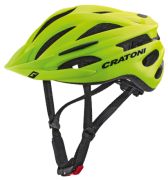
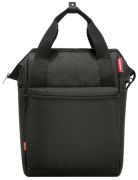
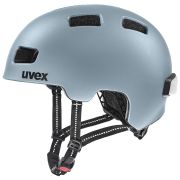
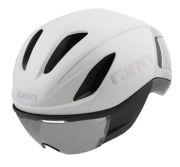
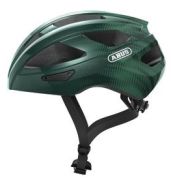
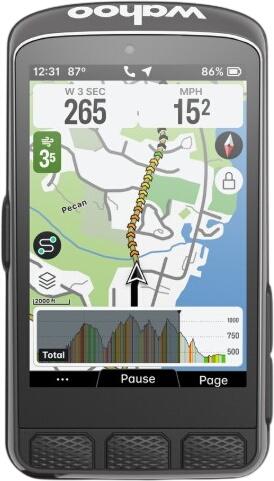

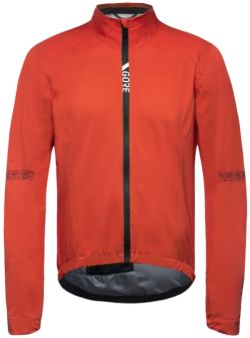
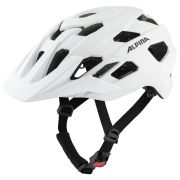
Newly Added Products



Bikes: Consumer tips

Electric bikes are now firmly mainstream, especially for commuting, hilly routes and riders who want to cycle more often without arriving exhausted. At the same time, traditional non-electric bikes still make excellent sense if you want lower weight, lower cost and simpler maintenance. The best option depends on how far you ride, the terrain you face and whether you need help with hills, headwinds or carrying extra weight.
Choosing the right type of bike
The best bicycle depends on where and how you ride. If your main goal is daily transport, comfort and practicality usually matter more than outright speed. If you ride for sport, surface type, weight and riding position become much more important.
For everyday use, city bikes, hybrid bikes and commuter e-bikes are often the most sensible choices. They tend to offer a more upright riding position, practical tyre widths and easier compatibility with mudguards, racks and lights. For rougher routes, mountain bikes and gravel bikes are better suited. Road bikes remain the fastest option on tarmac, while cargo bikes have become increasingly useful for family transport, shopping and car-free urban routines.
Common categories include:
- city bikes for short urban trips and errands
- hybrid bikes for mixed everyday riding
- gravel bikes for road, paths and light off-road use
- road bikes for speed and distance on tarmac
- mountain bikes for trails and rough terrain
- cargo bikes for carrying shopping, equipment or children
- e-bikes across several of the categories above
Frame, gears and key components
Every bike is built around its frame, which affects comfort, strength, handling and weight. Aluminium is still very common, especially in mainstream bikes. Steel remains popular for durability and ride feel, carbon is common in lighter performance-focused bikes, and titanium still appears in premium specialist models. It is better not to imply that only three frame materials exist, as the market now includes more variation in both materials and construction.
Other important components include the wheels, tyres, brakes, saddle, handlebars and drivetrain. Gearing is a major practical choice. Hub gears are often lower-maintenance and well suited to commuting, while derailleur gears offer a wider range and are common on sportier bikes. Disc brakes are also widespread now and are preferred for stronger all-weather braking.
Bikes for everyday use
If you plan to ride to work, the shops or the station, practicality matters. A good everyday bike should be comfortable, stable and easy to live with. Tyres should suit roads and cycle routes rather than purely sporting use, and the bike should be easy to fit with useful accessories.
For commuter and shopping use, many bikes now include or support:
- LED lighting
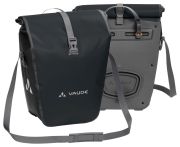
- a rear rack or pannier compatibility
- mudguards
- a kickstand
- puncture-resistant tyres
- mounts for a water bottle or lock
- comfortable contact points such as grips and saddle
Battery-powered lights are widely used and are perfectly practical, provided they are suitable for road use. Removable rechargeable lights are now more common than old-style dynamo systems, though both still exist.
Roadworthiness and legal basics
For riding on roads, a bike must have effective brakes, and when used at night it must have the required lighting and reflectors. At night a cycle must have white front and red rear lights lit, plus reflectors including a red rear reflector and amber pedal reflectors. These rules also matter when choosing commuting accessories.
Fit, comfort and accessories
A bike that fits properly will feel safer, more efficient and more comfortable. Frame size still matters, but so do standover height, reach, handlebar position and saddle setup. If possible, test riding is worth doing, especially for more expensive bikes and e-bikes.
Useful accessories can make a bigger difference than many buyers expect. A secure lock, good lights and weather-ready luggage options are often more important for daily riding than a minor upgrade in components.
Useful additions include:
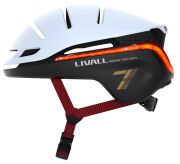
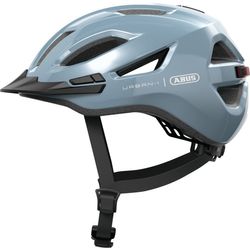
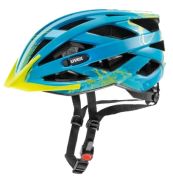
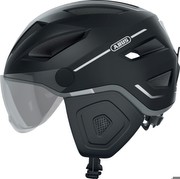
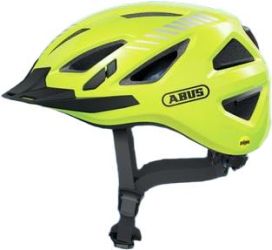
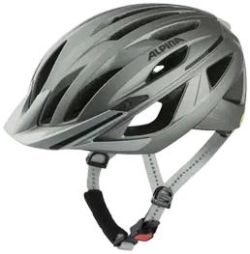
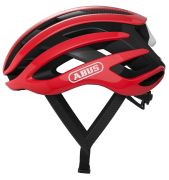
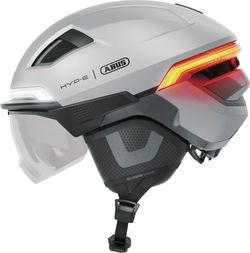
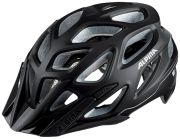
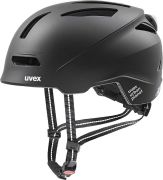
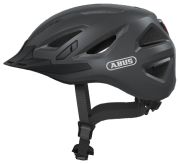
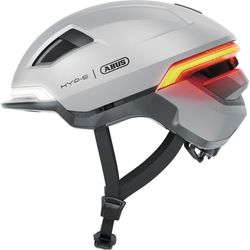
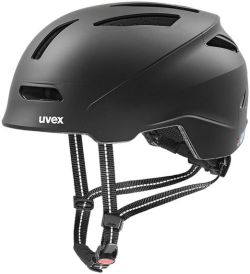
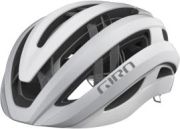
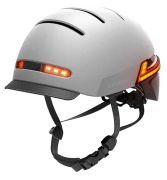
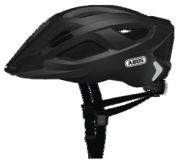
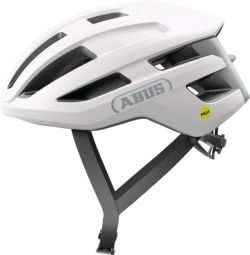
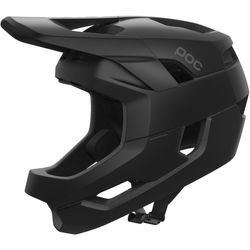
- a well-fitting helmet
- a secure bike lock
- a pump and puncture essentials
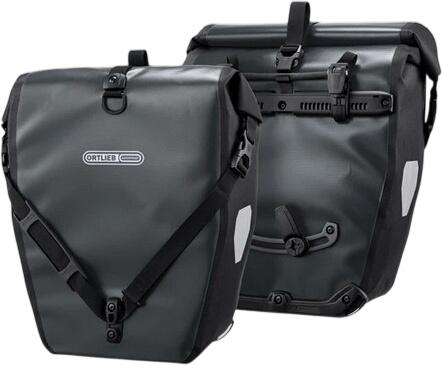
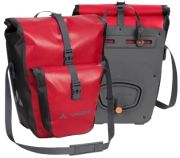
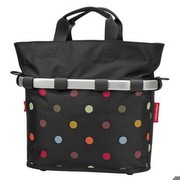
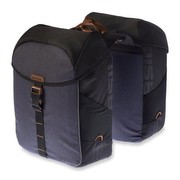
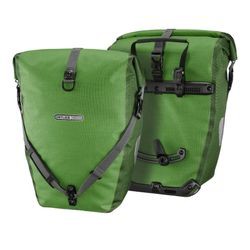
- panniers or a basket
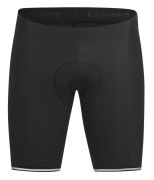
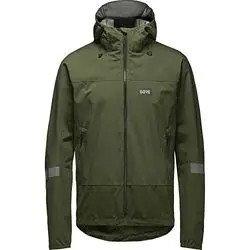
- weather-appropriate cycling clothing
- mudguards for year-round riding