




Buy BMX bike cheaply: Consumer tips

BMX bikes are robust and agile bicycles designed for various disciplines and stunts. To find the right BMX bike, it is important to consider the different types of BMX bikes, the right size, frame materials, components, and other crucial features. Below are some key factors that can help in the search for the ideal BMX bike.
What characterises a BMX?
A BMX bike is a special bicycle designed for use in freestyle and racing sports. Originally, the BMX bike was developed in the 1970s as a racing bike for young people who wanted to ride on uneven tracks and obstacles. Over time, the BMX bike became an important tool in freestyle sports, where it is used in various disciplines such as street, park, vert, and flatland. BMX bikes are characterised by a lightweight and robust construction. They are generally smaller than conventional bicycles, making them more agile and nimble. Most BMX bikes have a frame made of chromoly steel, aluminium, or carbon, which offers high stiffness at a low weight. The tyres are also smaller and wider than those of normal bicycles, providing better control and stability on rough terrain.
What types of BMX bikes are there?
BMX bikes are available in various types that differ depending on discipline and preferences. The main types of BMX bikes are freestyle, race, and dirt bikes.
- Freestyle bikes are designed for stunts, tricks, and jumps. They are lightweight and have a robust construction to withstand hard landings. They typically have 20-inch wheels and are available in various versions, from beginner models to high-end pro bikes.
- Race bikes are specifically designed for racing and speed. The larger wheels (24 inches) and lightweight design allow for higher speeds. Additionally, they feature brakes and cranks that are specifically optimised for racing. Compared to freestyle BMX bikes, race BMX bikes are generally more expensive and are even more agile and faster due to their narrower tyres and lower weight.
- Dirt bikes are designed for riding on unpaved tracks and jumping over dirt mounds. They have a stable frame construction and grippy tyres to ensure optimal grip on loose surfaces. Typically, they have 26-inch wheels and are built heavier than freestyle BMX bikes to withstand landings.
While some BMX bikes are specifically designed for one discipline, there are also all-round bikes that are suitable for multiple uses. These versatile models can be a good choice for beginners who want to find out which type of BMX riding suits them best.
What size should a BMX bike be?
The size of a BMX bike plays an important role in the safety and riding experience of the rider. If the BMX bike is too big or too small, it can be difficult to control, and injuries may occur. To determine the right size for the BMX bike, one should consider the size of the frame, the wheels, and the handlebars. The correct size of a BMX bike depends on the rider's height and arm length.
- First, one should consider the size of the frame. The frame should be proportional to the rider's height. A frame that is too large can make it difficult for the rider to control the bike, while a frame that is too small can make the rider uncomfortable and cramped. Generally, a BMX bike with a 20-inch frame is suitable for teenagers and adults, while a smaller BMX bike with a 16 or 18-inch frame is better for children.
- The size of the wheels is also important. Most BMX bikes have wheels with a diameter of 20 inches, which is suitable for most riders. However, there are also BMX bikes with smaller wheels that are suitable for children and smaller riders. It is important to note that smaller wheels accelerate faster and are easier to manoeuvre, while larger wheels are more stable and faster.
- Finally, the size of the handlebars is important as well. A wide handlebar offers more control and stability, while a narrow handlebar allows for more freedom of movement and agility. Most BMX bikes have handlebars that are about 28 inches wide, which is suitable for most riders.
Overall, it is important to carefully choose the size of the BMX to ensure an optimal riding experience and maximum safety. It is advisable to try the bike before purchasing and, if necessary, consult an expert to ensure that the BMX is the right size.
What frame materials and components?
The frame material and components of a BMX bike affect the overall weight, durability, and performance of the bicycle. Most BMX bikes have frames made of steel or aluminium. Steel frames are often cheaper and offer high stability but can be heavier. Aluminium frames are lighter and provide good stiffness but are generally more expensive. The fork of a BMX bike should be robust and stiff enough to withstand the stresses of stunts and jumps. Reinforced forks made of chromoly steel or aluminium are good options to ensure durable and lightweight performance. BMX tyres are available in various profiles and widths. For freestyle and dirt BMX, it is important to choose wide and grippy tyres that provide good grip and stability. For racing BMX bikes, narrower and lighter tyres with lower rolling resistance are recommended. The choice of the right brakes depends on the discipline and personal preferences. V-brakes and U-brakes are common options for BMX bikes. While V-brakes offer higher braking power, U-brakes are lighter and easier to maintain.
Do you need protective gear for riding?
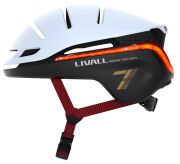
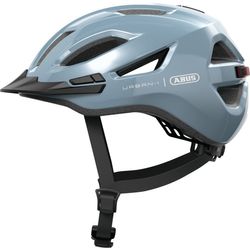
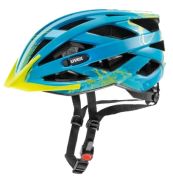
It is strongly recommended to wear protective gear when riding BMX. BMX riders should wear a helmet to avoid head injuries in the event of a fall. Additionally, it is recommended to wear knee pads, elbow pads, and gloves to prevent injuries to joints and hands. Some BMX riders also wear back protectors to avoid spinal injuries in case of a fall. Especially for beginners, it is important to adhere to the recommended protective gear, as they often do not yet have the necessary experience and control over the bike. However, even experienced riders can benefit from wearing protective gear to avoid injuries and reduce the risk of falls.
What equipment and accessories do I need?
- Pegs: Pegs are cylindrical rods that are mounted on the axles of the wheels and serve as support when performing stunts and tricks. They are particularly useful for freestyle BMX riders who are out in skate parks and on the streets.
- Hub Guards: Hub guards protect the hubs and spokes of the BMX bike from damage that can occur when performing grinds and other tricks. They are available in various materials, such as plastic or metal, and can be easily attached to the hubs of the bike.
- Gyro brake system: A gyro brake system allows the handlebars of the BMX bike to rotate without restrictions from the brake cables. This is particularly useful for freestyle riders who want to perform barspins and tailwhips.
- Seat and seat post: The seat and seat post should be comfortable and lightweight to ensure riding comfort. Some BMX riders prefer a low seat to increase freedom of movement during stunts and tricks, while others prefer a higher seat for more control and stability.