













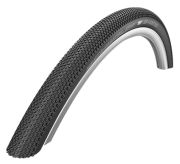
Buy bicycle tyres cheaply: Consumer tips

Bicycle tyres are available in a variety of sizes, materials, and tread patterns tailored to different requirements. Choosing the right bicycle tyre can significantly improve riding comfort, safety, and the performance of the bicycle. This guide explains some key factors to consider when selecting the appropriate bicycle tyre.
Which tyre for which bicycle?
The size and width of a bicycle tyre influence ride stability, rolling resistance, and traction. The size of a tyre is usually specified in inches or millimetres and corresponds to the diameter of the wheel. The width of the tyre is also given in millimetres or inches and refers to the thickness of the tyre. It is important to select the correct size and width of the bicycle tyre for the specific type of bicycle to ensure optimal performance, comfort, and safety.
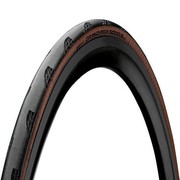
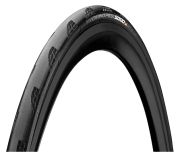
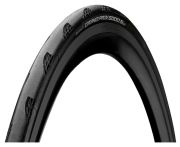
- Road bikes require narrow, lightweight tyres for maximum speed and efficiency. The typical size for road bike tyres is 700c, with widths ranging from 23 mm to 28 mm. Narrower tyres (23-25 mm) offer less rolling resistance and are ideal for racing, while wider tyres (25-28 mm) provide more comfort and puncture protection, especially on uneven roads.
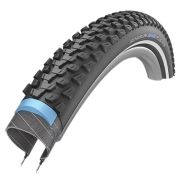
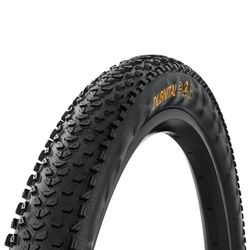
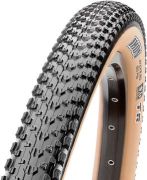
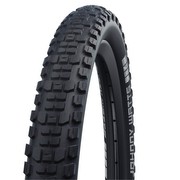
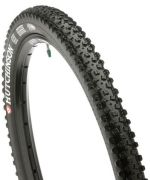
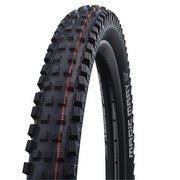
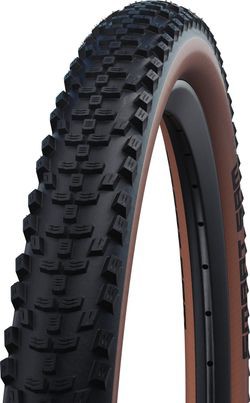
- Mountain bikes require wide, grippy tyres for optimal traction and control on unpaved paths and in rough terrain. Common sizes for mountain bike tyres are 26 inches, 27.5 inches (also known as 650b), and 29 inches. The tyre width typically ranges from 1.9 inches (48 mm) to 2.5 inches (63 mm), depending on the type of mountain biking. Wider tyres provide better grip and stability, while narrower tyres are lighter and faster.
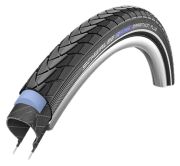
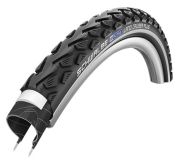
- Trekking and touring bikes require versatile tyres that perform well on both roads and light terrain. These bicycles typically use 700c or 26-inch tyres, with widths ranging from 30 mm to 50 mm. Wider tyres offer more comfort and puncture protection, which is especially important on longer tours with luggage.
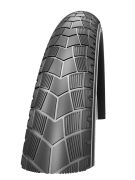
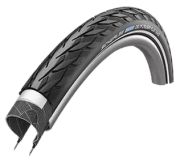
- City and urban bikes require tyres designed for comfort and durability to meet the daily demands of urban traffic. The most common tyre sizes for urban and city bikes are 700c and 26 inches, with tyre widths ranging from 35 mm to 50 mm. Wider tyres provide more comfort, stability, and puncture protection on uneven roads and in poor weather conditions.
- E-bikes and pedelecs require special tyres that can withstand the additional weight and increased speeds of these bicycles. Tyre sizes vary depending on the type of bicycle, but the width typically ranges from 35 mm to 50 mm. Special e-bike tyres offer reinforced sidewalls and higher puncture resistance to enhance reliability and durability.
When selecting a bicycle tyre, durability should also be considered. High-quality tyres offer a longer lifespan and better wear resistance than cheaper models, which can lead to a better investment in the long run. Weather conditions can also affect the performance and safety of a bicycle tyre. In wet and slippery road conditions, tyres with a special rubber compound and a tread pattern that effectively channels water are recommended. For winter riding on snow-covered or icy roads, special winter tyres or studded tyres are a good choice to ensure additional grip and stability.
What materials are bicycle tyres made of?
Bicycle tyres are primarily made of rubber or synthetic polymers known for their durability, elasticity, and grip on various surfaces. The rubber compound of a bicycle tyre can vary depending on the desired characteristics for the specific type of tyre and its intended use. In addition to rubber, bicycle tyres also contain other materials such as textiles (nylon, polyester, cotton) or steel, which are used to reinforce the tyre casing. These reinforcement materials are incorporated into the tyre in the form of fabrics or threads to enhance the structure and resilience of the tyre. Some high-quality bicycle tyres may also include materials like Kevlar or other synthetic fibres in the puncture protection layer to improve puncture resistance.
Do I need puncture protection?
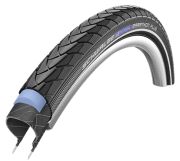
Nothing is more frustrating than a flat tyre on the way to work or during an outing. Different tyre manufacturers offer various technologies and materials to enhance the puncture protection of their tyres. They feature an additional puncture protection layer made from durable materials like Kevlar or polyurethane. This layer prevents sharp objects from penetrating the tyres and causing punctures. The tread pattern and material composition of a tyre can also contribute to puncture protection. Deeper tread grooves and a higher number of tread blocks increase resilience. Furthermore, one can minimise the risk of a puncture by paying attention to the following:
- The correct tyre pressure is crucial to prevent punctures. One should regularly check the tyre pressure according to the manufacturer's recommendations and add air if necessary. Too low a pressure increases the risk of pinch flats and tyre punctures, while too high a pressure can impair riding comfort and increase tyre wear.
- Regularly inspect tyres for wear, cracks, or embedded foreign objects like glass shards or thorns. These can be carefully removed to avoid damage to the tyres. In case of significant wear or damage, it is advisable to replace the tyres in a timely manner.
- Another protection against punctures is the use of inner tubes with integrated puncture protection. Tubes with an additional layer of latex or a special liquid that seals immediately upon puncture. These tubes can make it more difficult for sharp objects to penetrate and can seal smaller holes on their own before the tyre pressure noticeably decreases.
In general, it can be said that a well-maintained bicycle contributes to the prevention of punctures. Bicycle components, such as brakes, gears, and wheels, should be regularly checked and maintained if necessary. A bicycle cover and a tube with puncture protection can provide additional protection, and investing in them is advisable for frequent riders.
Tube or tubeless tyres?
There are two main types of bicycle tyres: tube and tubeless tyres. Tube tyres contain a separate tube within the tyre that is inflated with air. Tubeless tyres, on the other hand, use a special rim and an airtight tyre that is mounted directly onto the rim. Tubeless tyres offer some advantages, such as a lower likelihood of punctures, better grip, and reduced rolling resistance. However, they are generally more expensive and require special rims and installation techniques. Tube tyres are more cost-effective and easier to install but may be more prone to punctures. The choice between tubeless and tube tyres depends on personal preferences and budget.
Tips for buying bicycle tyres
- Choose tyre size and width appropriate for the type of bicycle.
- Consider puncture protection tyres for increased resilience.
- Consider tubeless tyres to reduce puncture risk and rolling resistance.
- Pay attention to reliable brands like Schwalbe and Continental and good customer reviews.
- Consider the correct tyre pressure according to the manufacturer's specifications.