













Cycling clothing: Consumer tips
Cycling is a popular leisure activity and sport, ranging from relaxed Sunday rides to challenging trails and demanding mountain races. The right cycling clothing can make every ride more comfortable, practical and safe. Functional kit helps with comfort on longer rides, offers protection from the weather and can also improve efficiency on the bike. Here are some important factors to consider when buying cycling clothing.
What functions does cycling clothing serve?
Cycling clothing serves several important functions. It helps protect against wind and rain, supports temperature regulation and can improve visibility in traffic through the use of reflective details. Breathable fabrics help manage moisture by wicking sweat away from the skin, which in turn helps regulate body temperature during exercise.
Anyone who rides in all weather conditions also needs suitable protection from the elements. In colder months, well-insulated clothing helps prevent the body from cooling down too quickly, while in summer a good jersey with a high UV protection rating can help protect against strong sunlight. A padded insert in the shorts improves comfort on longer rides and can help reduce pressure and discomfort in the saddle area.
Functional cycling clothing is usually made from quick-drying materials, so it is ready to wear again soon after washing. In many cases, the cut is relatively close-fitting in order to support moisture management and reduce flapping in the wind. This is especially important in more performance-focused disciplines, where aerodynamics play a greater role. However, manufacturers also offer more casual cycling clothing that still provides a high level of comfort and technical performance, as not everyone wants to wear tight-fitting kit.
What types of cycling clothing are there?
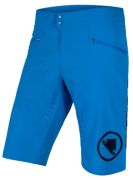
Cycling clothing is available for different types of riding and is tailored to the needs of each discipline. Close-fitting kit is most common in road cycling, while gravel riders may choose anything from performance-oriented clothing to more relaxed, adventure-style apparel. Mountain bike clothing is usually cut a little looser to allow greater freedom of movement and a more casual look. For trekking, commuting and everyday cycling, more casual clothing with practical technical features is often the better choice. In general, it is best to dress in layers so that you can adapt more easily to changing temperatures and weather conditions.
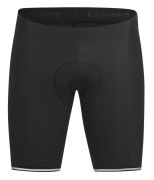
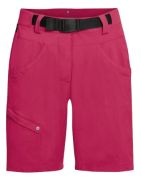
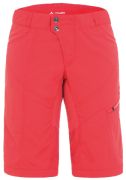
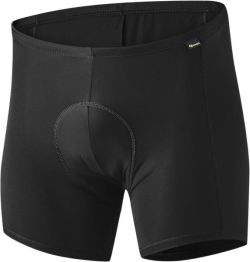
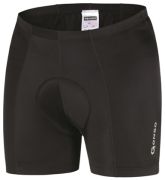
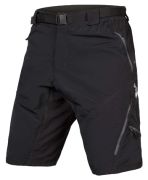
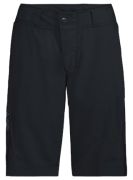
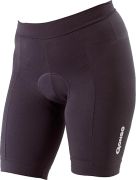
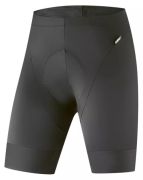
- Cycling shorts are designed to improve comfort in the saddle. Their padded insert helps reduce pressure on longer rides, while flat seams help minimise rubbing and chafing. For the best fit and performance, cycling shorts are usually worn without underwear. The padding is typically made from quick-drying, breathable materials, and many brands offer different versions for men and women. Cycling shorts are available in short, three-quarter-length and full-length versions, with or without bib straps. There are also liner shorts and padded underwear designed to be worn under looser outer shorts.
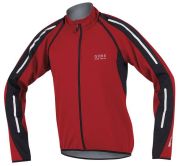
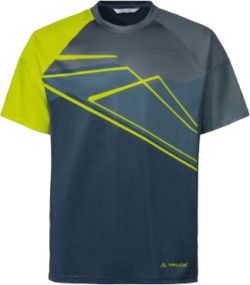
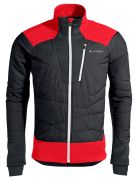
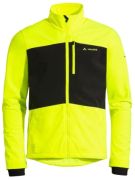
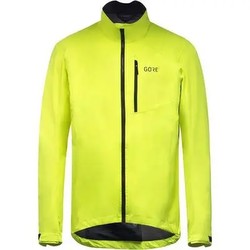
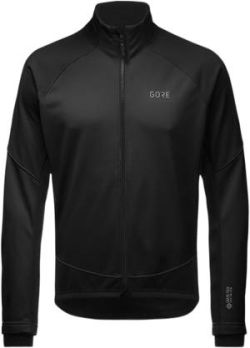
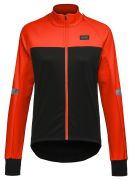
- Cycling jerseys are lightweight tops with short or long sleeves and either a half or full-length zip. They often have a longer rear cut and practical back pockets for food, tools or other small items. Depending on the season, jerseys are available in lighter summer fabrics or warmer versions with a brushed inner layer for autumn and winter.
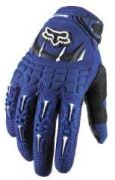
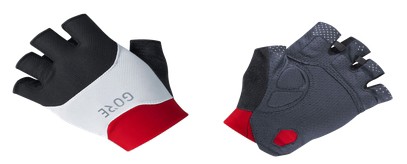
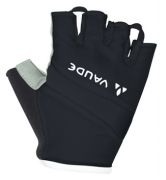
- Cycling gloves help absorb vibrations from the handlebars and improve grip. They can also provide some protection against pressure points and abrasions. In summer, many riders choose mitts or lightweight full-finger gloves, while winter gloves are usually insulated and often windproof or waterproof. Many modern gloves are also touchscreen-compatible.
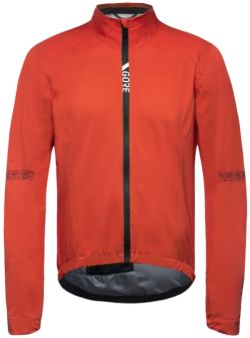
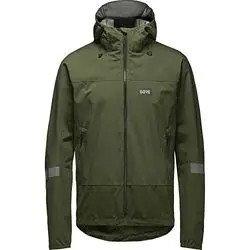
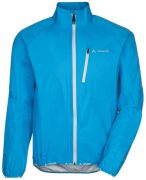
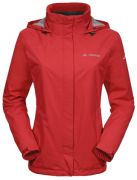
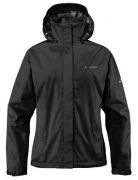
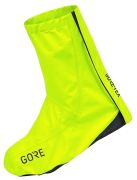
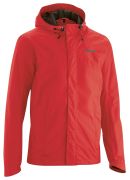
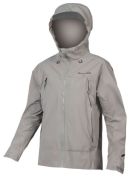
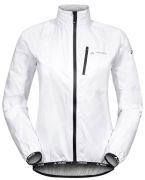
- Rainwear helps protect against wet and windy conditions. A breathable waterproof jacket is often the most important item, while waterproof overtrousers, overshoes and helmet covers can provide additional protection. Ponchos are another option for urban cycling, although they offer less protection against spray from below. Breathability is especially important, as waterproof clothing should also help reduce the build-up of sweat inside the garment.
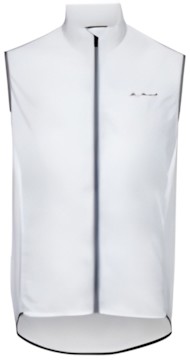
- Windproof layers are useful on cooler rides and especially on long descents. They are usually lightweight and pack down small enough to fit easily into a jersey pocket or small bike bag. Many also provide some protection in light rain.
- Cycling shoes are designed to transfer power to the pedals more efficiently than ordinary trainers. Touring and trekking shoes usually have a treaded sole that makes walking easier, while road cycling shoes tend to have a very stiff, smooth sole for maximum pedalling efficiency. Mountain bike shoes generally combine a stiff sole with tread for off-bike grip. Many cycling shoes are compatible with clipless pedal systems, although the cleat and pedal standards vary between manufacturers. Popular systems include Shimano SPD and road-specific options from brands such as Look and Time, so it is important to check compatibility before buying.
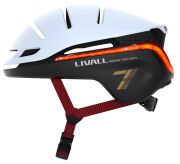
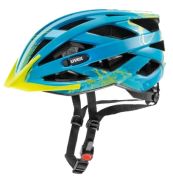
- Protective gear is especially important in disciplines such as BMX and downhill mountain biking. Depending on the type of riding, this may include a helmet, gloves, knee and elbow pads, and a back protector.
- Cycling glasses protect the eyes from sun, wind, insects and road spray. They are available in a wide range of styles, from clear lenses to performance-oriented sports glasses with interchangeable lenses for different light conditions.
What materials are used in cycling clothing?
Cycling clothing is made from a range of functional materials, including polyester, nylon, merino wool and lycra. These fabrics differ in terms of breathability, moisture management, insulation and stretch, and they are often combined to make the most of each material’s strengths. Polyester and polyamide are synthetic fibres that are widely used in sports clothing because they are lightweight, durable and quick-drying.
Polyester is especially common in jerseys and cycling shorts, while polyamide, also known as nylon, is often used in areas that need greater abrasion resistance or protection from the wind. Highly durable fabrics such as Cordura are also used in high-wear areas, for example around the seat or inner leg panels of cycling shorts.
Elastane, sometimes referred to as spandex, provides the stretch needed for freedom of movement and a close fit. Because synthetic fibres can retain odours more easily after heavy use, they are sometimes treated with anti-odour finishes. Natural fibres have also become increasingly popular in cycling clothing, especially merino wool, which is valued for its temperature regulation, softness and natural resistance to odours.