




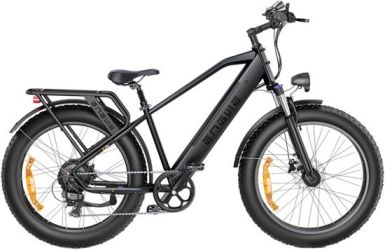
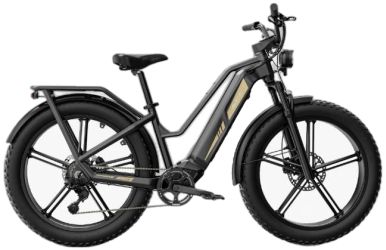
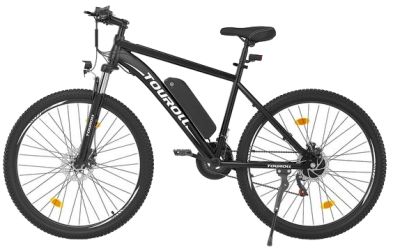


Electric bikes: Consumer tips

An electric bike can make everyday cycling far more practical, whether you are commuting, carrying shopping, riding for leisure or tackling hilly routes that might otherwise put you off. In the UK, most buyers are really looking for an EAPC-compliant electric bike: a road-legal electrically assisted pedal cycle that gives you help while pedalling without turning the bike into a moped.
E-bikes are now a mainstream option for commuting, mixed-terrain leisure rides, family transport and even replacing some car journeys. The right choice depends on motor type, battery size, range, weight, riding position and your typical routes, not just the headline specification.
What is an electric bike?
An electric bike is a bicycle with a motor and rechargeable battery that assist your pedalling. In the UK, the most common road-legal format is an EAPC. That means the motor helps only within specific legal limits and the bike remains, in normal use, much closer to a bicycle than to a motor vehicle.
For most UK buyers, an EAPC is attractive because it helps with:
- hills
- headwinds
- longer commutes
- carrying luggage or shopping
- riding further with less fatigue
- getting back into cycling with more confidence
E-bikes are available in a wide range of styles, including:
- hybrid and commuter bikes
- folding bikes
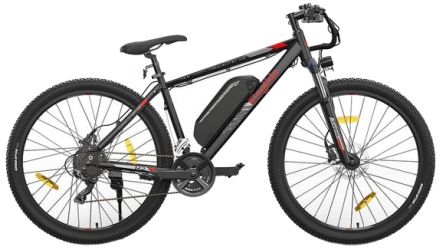
- electric mountain bikes
- electric cargo bikes
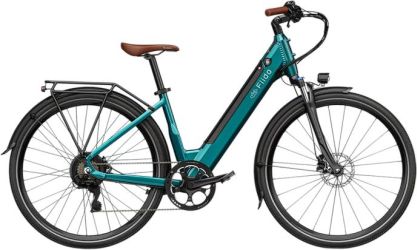
- step-through city bikes
- electric road bikes
What is road-legal in the UK?
This is one of the most important points to understand before buying. In the UK, a standard road-legal EAPC must meet specific rules, including:
- pedals that can propel the bike
- motor assistance that cuts out at 15.5 mph
- a maximum continuous rated motor power of 250 watts
If a bike goes beyond those rules, it may no longer be treated as an ordinary bicycle in law. That can mean very different legal requirements around registration, insurance, licensing and helmet use, depending on how it is classified.
If you are considering a conversion kit, the same issue applies. A converted bike still needs to comply with UK EAPC rules if you want to use it as a normal road-legal e-bike.
E-bike, pedelec and S-pedelec: what is the difference?
In everyday conversation, people often call all electrically assisted bikes “e-bikes”, but there are important differences.
Pedelec
A pedelec is the normal form of electric bike for UK road use. The motor assists only when you pedal. In UK terms, this is usually the type that falls within EAPC rules.
Throttle-driven electric bikes
Some electric bikes can move without pedalling, depending on how they are designed. These need extra care from a legal point of view, because not every throttle-equipped model falls within standard EAPC rules.
S-pedelecs
An S-pedelec is a faster pedal-assist bike, often capable of assistance up to around 28 mph rather than 15.5 mph. This is where UK buyers need to be careful: S-pedelecs are not standard road-legal EAPCs in the UK and should not be treated as normal everyday e-bikes. In practice, they fall outside the usual EAPC category and would generally be subject to different legal requirements. For most UK shoppers, they are not the normal option to compare with ordinary commuter or leisure e-bikes.
How much battery capacity do you need?
Battery size is usually measured in watt-hours (Wh). Larger batteries can support longer rides, but they also add weight and cost. In 2026, battery sizes vary widely across the market, so it is better to think about battery capacity in relation to your actual riding rather than rely on one fixed “ideal” figure.
As a general guide:
- smaller batteries can be fine for short urban commutes and lighter use
- mid-sized batteries suit many everyday riders
- larger batteries are more useful for hilly areas, longer rides, cargo use or heavier assistance levels
Real-world range depends heavily on:
- rider weight
- terrain
- wind
- tyre pressure
- temperature
- assistance level
- stop-start riding
- luggage or child-carrying load
Because of that, any quoted range should be treated as an estimate, not a promise. In ideal conditions, some bikes can go a long way on one charge, but in hilly UK terrain with stronger assistance, practical range can be much lower.
How much range can you expect?
There is no single honest number that applies to all e-bikes. Manufacturer figures are often measured in favourable conditions, so they are best used for comparing bikes broadly rather than predicting exactly what you will get.
If you mostly ride:
- short commutes in town
- flatter roads
- moderate assistance levels
then many batteries will be more than enough.
If you ride:
- steep hills
- long mixed-terrain routes
- heavier bikes
- cargo bikes
- high assistance modes
then range drops more quickly, and a larger battery may be worth paying for.
For many UK buyers, the smarter question is not “what is the maximum range?” but “can this bike comfortably cover my normal week of riding without becoming inconvenient to charge?”
Where is the battery fitted?
Battery placement affects both convenience and handling.
Integrated batteries
These are built into the frame and give the bike a cleaner, more modern look. They can also help with weight distribution and are often better protected from dirt and weather.
Removable batteries
These are easier to take indoors for charging, which is a major practical advantage if you store the bike in a shed, hallway, communal area or ground-floor bike store without a nearby socket.
For many UK homes and flats, a removable battery is one of the most useful features to have. Charging convenience matters more in real life than many buyers expect.
How long does an e-bike battery last?
Most e-bike batteries use lithium-ion cells. Over time, all batteries degrade, but the lifespan depends on:
- quality of the battery
- charging habits
- storage conditions
- temperature exposure
- overall usage
A well-looked-after battery can last for years, but replacement cost should still be considered as part of long-term ownership. To help preserve battery health:
- avoid prolonged storage at full depletion
- do not leave the battery in extreme heat
- avoid unnecessary exposure to freezing conditions
- use the correct charger
- follow the manufacturer’s storage guidance
If a battery becomes damaged, swollen, unusually hot or starts smelling abnormal, stop using it and seek proper advice immediately.
Which motor type is best?
There are three main e-bike motor positions:
- front hub
- mid-drive
- rear hub
Each has strengths and compromises.
Front-hub motor
Front-hub motors are often found on more affordable city-oriented e-bikes. They can work well for simpler urban riding, but they are generally less natural-feeling than better mid-drive systems and can affect steering feel.
Mid-drive motor
Mid-drive motors sit around the crank area and are widely considered the best all-round setup for many riders. Because the weight is low and central, they often give the most balanced and natural ride feel. They are especially strong on hills and are common on commuter, trekking, cargo and premium leisure e-bikes.
Rear-hub motor
Rear-hub motors are no longer limited to one narrow category. In 2026 they appear across a wider spread of bikes, including commuters, folders and some lighter sport-oriented models. They can offer a smooth and direct ride feel, but the overall character depends heavily on tuning and bike design rather than motor position alone.
For many buyers, the best motor setup is not about theory but about the riding feel. If possible, a test ride is far more useful than comparing motor location on paper.
Cadence sensor vs torque sensor
The sensor system makes a big difference to how natural the assistance feels.
Cadence sensor
A cadence sensor detects pedal movement and then activates assistance. It is common on simpler or more affordable e-bikes. It can work well for relaxed riding, but the support can sometimes feel more on/off than intuitive.
Torque sensor
A torque sensor measures how hard you are pedalling and adjusts support accordingly. This usually feels smoother, more natural and more responsive, especially on hills or in stop-start riding. Many riders prefer torque-sensor systems because they feel more like an extension of your own effort.
If ride feel matters to you, this is one of the most important differences to understand.
How much torque do you need?
Motor torque is measured in Nm and affects how strongly the bike helps you accelerate and climb.
As a rough guide:
- around 40 to 60 Nm is often enough for commuting, flatter towns and lighter leisure riding
- 60 to 80 Nm suits hillier routes and riders wanting stronger assistance
- higher torque levels are especially useful for cargo bikes, steep terrain and heavier loads
More torque is not automatically better. It can increase battery consumption and may feel unnecessarily forceful for some riders. The best level depends on your route, your weight, the bike’s purpose and how natural you want the assistance to feel.
Which type of e-bike suits which rider?
Commuter and hybrid e-bikes
These are the best fit for many UK buyers. They work well for commuting, errands, canal-path riding, leisure routes and mixed road use.
Folding e-bikes
A good option for train commuters, smaller homes and people with limited storage.
Electric mountain bikes
Best for off-road riding, rough tracks and steeper terrain, though some are also used for very hilly leisure rides.
Cargo e-bikes
Ideal for families, shopping runs and replacing short car journeys in towns and cities.
Step-through e-bikes
Popular for easy access, upright comfort and everyday practicality.
What should buyers check before buying?
Before choosing an electric bike, ask:
- Is it definitely EAPC-compliant for normal UK road use?
- Will the battery range comfortably cover my usual rides?
- Do I need a removable battery for home charging?
- Will I be riding steep hills or carrying heavy loads?
- Is the bike practical to store and secure?
- Does the riding position suit commuting, leisure or both?
- Are replacement batteries and servicing support easy to get in the UK?