

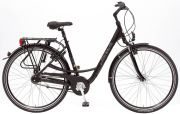

Trekking Bike: Customer tips

What is a trekking bike?
A trekking bike is a versatile all-round bicycle built for road use, cycle paths and lighter unpaved routes. It usually combines a more upright riding position with practical equipment such as mudguards, a pannier rack and built-in lighting. That makes it well suited to daily transport as well as longer day rides.
Typical features often include:
- A comfortable, more upright riding position
- Mounting points for racks and accessories
- Mudguards
- Lights and reflectors
- Tyres suited to mixed surfaces
- Gearing for varied terrain
- A frame designed for all-round use rather than racing or mountain biking
This makes trekking bikes especially appealing for mixed-use riding, canal paths, country lanes, light gravel and everyday errands.
What equipment do trekking bikes have?
A trekking bike is designed to be practical as well as comfortable. Many models come with useful equipment already fitted, which helps distinguish them from more stripped-back fitness or performance hybrids.
Common equipment includes:
- Mudguards
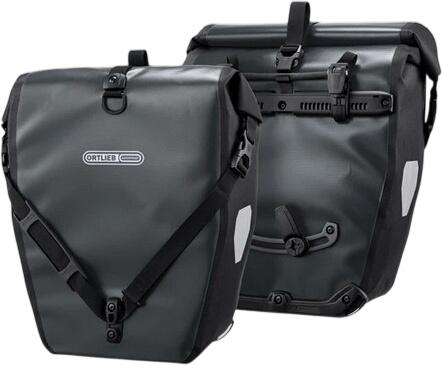
- Rear luggage rack
- Bell
- Lights
- Reflectors
- Kickstand on some models
- Mounting points for bottles, bags and other accessories
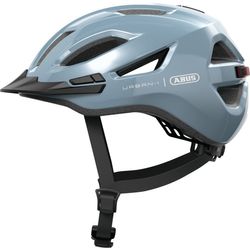
For riding on UK roads, it is important to think in terms of the visibility and safety equipment you actually need, rather than non-UK regulations. If you expect to ride after dark or in poor light, make sure the bike is fitted with suitable lights, reflectors and a bell in line with normal UK road-use expectations.
Suspension fork or rigid fork?
Some trekking bikes are fitted with a suspension fork, while others use a rigid fork. The better choice depends on how and where you ride.
- Suspension fork: useful for rougher paths, broken surfaces and extra comfort
- Lockout suspension fork: helpful if you want comfort off-road but a firmer feel on smoother roads
- Rigid fork: lighter, simpler and often more efficient on tarmac and smoother routes
If most of your riding is on roads, cycle paths and light gravel, a rigid fork can make a lot of sense. If you regularly ride rougher tracks or value comfort more highly, front suspension may be worth considering.
Gears: derailleur, hub gear or belt drive?
Trekking bikes now come with a wider mix of gearing systems than older guides often suggest. Modern models may use 1x, 2x, derailleur or hub-gear setups, depending on whether the bike is aimed more at leisure riding, commuting or touring.
A simple comparison:
- Derailleur gears: good range, efficient and widely used for mixed terrain
- Hub gears: lower maintenance and very practical for commuting and regular use
- Belt-drive systems: clean, quiet and low-maintenance where supported
- 1x setups: simpler shifting with fewer moving parts
- 2x setups: broader gearing range for mixed riding and touring
It is no longer accurate to treat hub gears as suitable only for flat terrain. Modern hub-gear bikes can work very well for many types of everyday riding and commuting, especially when low maintenance is a priority.
Tyres: comfort and versatility matter
Trekking bikes are often fitted with moderately wide tyres that balance efficiency with comfort and grip. Exact widths vary by model, but the general goal is to provide enough cushioning and traction for mixed surfaces without making the bike feel sluggish on the road.
What matters most is choosing tyres suited to your riding style:
- Smoother tyres: better for mainly road riding
- Lightly treaded tyres: better for mixed surfaces and towpaths
- Wider tyres: often give more comfort and confidence on rougher ground
For UK riders dealing with mixed weather and varying surfaces, tyre choice can make a big difference to both comfort and control.
Brakes: disc brakes are now common
Braking guidance has moved on. While some entry-level or older-spec bikes may still use rim brakes, disc brakes are now common on trekking bikes and are often the preferred choice, especially for year-round riding and mixed conditions.
A quick guide:
- Mechanical disc brakes: practical and usually easier to maintain
- Hydraulic disc brakes: stronger, smoother and more consistent braking
- Rim brakes: still found on some lower-cost models, but less common on newer better-equipped bikes
For UK riding, especially in wet conditions, disc brakes are often the stronger choice.
Saddles, racks and comfort features
Trekking bikes are built with comfort in mind, so the saddle is usually more supportive than on a more aggressive road bike. Some models also include comfort-focused extras such as:
- Suspension seatposts
- Ergonomic grips
- Wide saddles on comfort-oriented models
- Practical luggage racks for panniers
- Extra mounting points for touring bags
If you plan to ride for longer periods, comfort contact points such as the saddle and grips are just as important as the frame material.
What frame material is used?
The most common frame material is aluminium, largely because it offers a good balance of low weight, stiffness and value. Steel is still appreciated for comfort and durability, especially by riders who like a smoother ride feel. Carbon is less common in this category, but may appear on more premium, lighter all-round bikes.
In general:
- Aluminium: light, practical and common
- Steel: comfortable and durable, but heavier
- Carbon: lighter and more specialised, but less typical for everyday trekking use
Low-step, trapeze and diamond frames
Trekking bikes are available in different frame shapes to suit rider preference, flexibility and use.
Common options include:
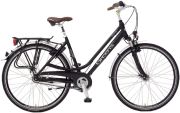
- Low-step frames: easiest to mount and dismount
- Trapeze frames: a balance between easy access and frame stiffness
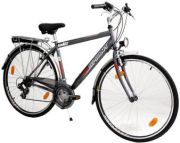
- Diamond frames: the traditional high-step frame shape with strong rigidity
It is better to describe these by geometry rather than by gendered labels. A diamond frame is simply a traditional high-step design that many riders still prefer for its more classic structure and direct feel.
What should you consider before buying?
The best trekking bike depends on how you actually ride. Before buying, think about:
- How much of your riding is commuting versus leisure
- Whether you will carry panniers or touring bags
- Whether your routes are mainly road, cycle path or light gravel
- If you want a low-maintenance setup
- Whether comfort or speed matters more
- If you ride regularly in poor weather
- Whether integrated lights and mudguards are important