










Bicycle locks: Consumer tips
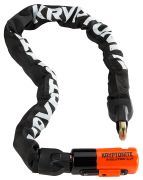
In the UK, where bike theft is a real concern in cities, at stations and outside workplaces, it is usually better to think in terms of risk level, parking location and bike value rather than choosing the lightest or cheapest lock available. No lock can guarantee that a bike will never be stolen, but the right lock setup can make theft much harder and can also help meet insurer expectations for higher-value bikes.
What is the right bicycle lock for you?
The best bicycle lock depends on:
- the value of your bike
- where you leave it
- how long it stays unattended
- whether you are locking it at home, at work or in public
- how much weight you are willing to carry
For an expensive road bike, e-bike, gravel bike or mountain bike, a high-security D-lock or a heavy-duty chain lock is usually the right starting point. For daily commuting in towns and cities, a strong primary lock is often essential even if the bike itself is not especially high-end.
Older advice suggesting that a cable lock or simple chain is enough for a city bike in a “secure location” is too broad for today’s conditions. In practice, cable locks are best treated as secondary locks or low-risk convenience locks, not the main protection for a bike left in public.
What types of bicycle lock are there?
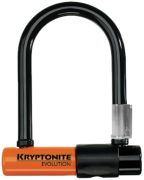
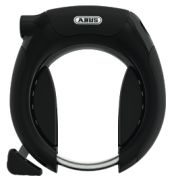
D-locks
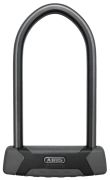
A D-lock, also called a U-lock, is one of the best choices for everyday security. It uses a hardened metal shackle and compact locking body, making it harder to attack quickly than many cheaper lock types. D-locks are especially good for commuting, urban parking and locking to fixed stands.
Their main limitation is reach. Some are compact and highly secure but do not fit easily around larger posts or awkward railings.
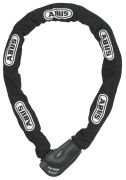
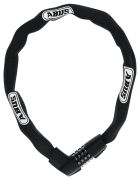
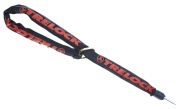
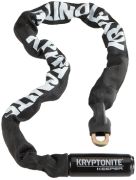
Chain locks
A chain lock is a strong option if you need more flexibility than a D-lock allows. A quality hardened chain can be very secure, and the extra length makes it easier to lock the bike to a wider range of fixed objects.
The trade-off is weight. Strong chain locks can be heavy, so they are often better for riders who do not mind carrying extra mass or who leave the lock at one regular destination.
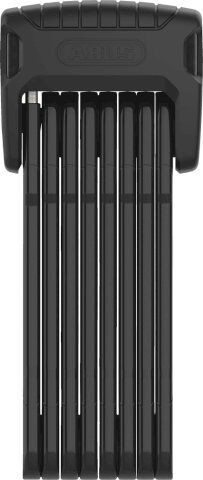
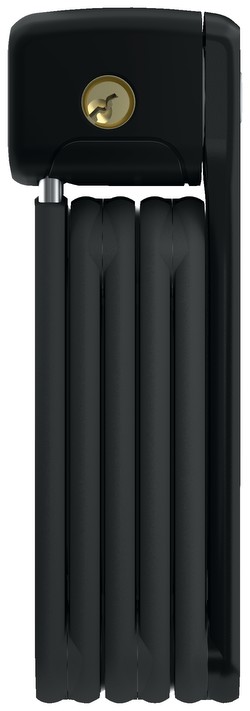
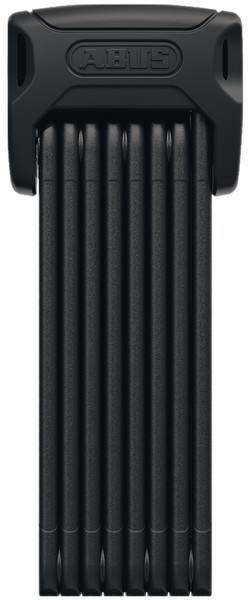
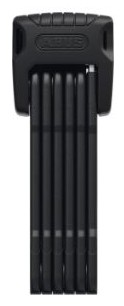
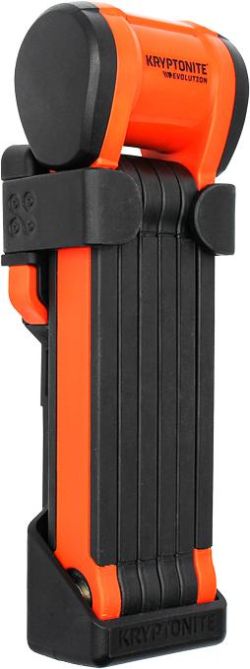
Folding locks
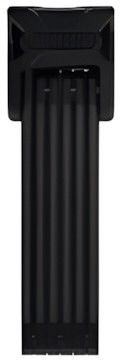
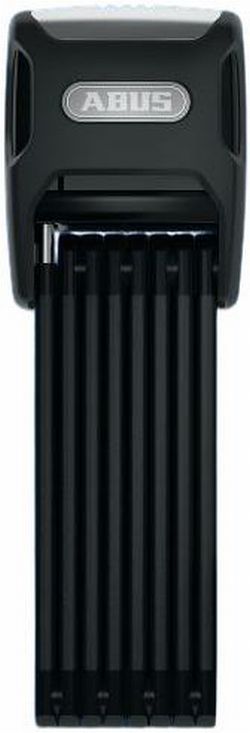
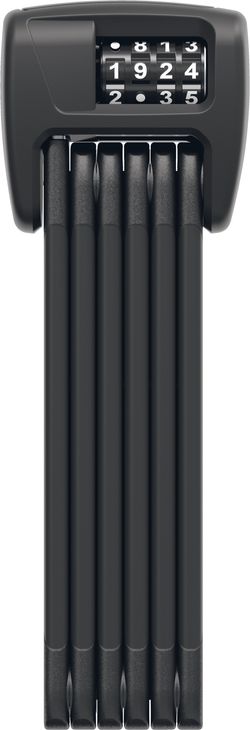
A folding lock sits between a D-lock and a chain in day-to-day use. It is usually easier to carry than a heavy chain and more flexible than a D-lock when locking to awkward stands or railings. Good folding locks can offer solid security, though the level depends heavily on the model and build quality.
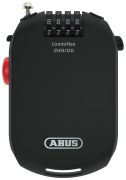
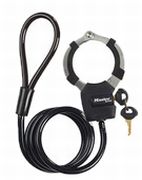
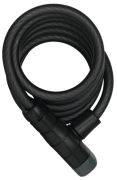
Cable locks
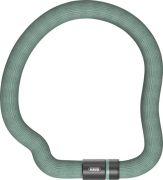
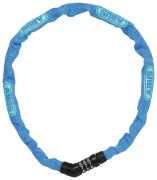
A cable lock is lightweight and easy to carry, but as a primary lock it is usually the weakest option. It may be acceptable for very low-risk situations, children’s bikes in supervised areas or as an extra lock through wheels or accessories, but it should not normally be your only security for a valuable bike in a public place.
Is a D-lock or a chain lock safer?
There is no universal winner. A strong D-lock and a strong chain lock can both be very effective. The better choice depends on how you park.
A D-lock is often the first recommendation for urban commuting because it is compact, tough and well suited to locking the frame to a fixed stand. A chain lock is more flexible and can be easier to use with larger objects or awkward bike parking layouts.
For many riders, the strongest setup is not choosing one over the other but using two different lock types. That makes quick theft harder because a thief may need different tools or more time.
Use two locks if the risk is high
For higher-value bikes, especially e-bikes and bikes left at stations, outside workplaces or in city centres, using two locks is often a sensible move. A common setup is:
- one D-lock for the frame and rear wheel to a fixed stand
- one secondary chain, folding or cable lock for the front wheel or other part of the frame
This is especially useful in common parking scenarios such as:
- locking to Sheffield stands
- station cycle parking
- workplace bike shelters
- communal residential bike stores
- busy street parking
Do not rely too heavily on security ratings alone
Some lock brands use security scales such as 1 to 15, but these are manufacturer-specific ratings, not a universal industry standard. They can still be useful for comparing locks within one brand, but they should not be treated as an absolute measure across the whole market.
A lock’s real-world security depends on:
- lock type
- shackle or chain thickness
- locking mechanism quality
- resistance to cutting and leverage attacks
- how well it can be positioned on the bike
What should you look for when buying a bicycle lock?
A good bicycle lock should balance security and practicality. Important things to check include:
- hardened materials
- a reliable locking mechanism
- suitability for your bike’s value and risk level
- enough length or clearance for real-world parking
- manageable carrying weight
- weather resistance
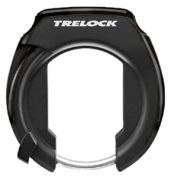
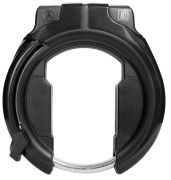
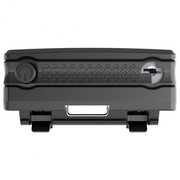
- compatibility with your frame or mounting bracket
If you use insurance for your bike, it is also wise to check whether the lock meets the insurer’s security requirements.
How long should a bicycle lock be?
A bicycle lock should be long enough, or have enough internal space, to secure the frame to a fixed object. Ideally, your main lock should also capture a wheel if possible, or you should use a second lock for that purpose.
In practice, the lock needs to work with the places you actually park:
- Sheffield stands
- railings where permitted
- bike shelters
- station racks
- home cycle stores
A lock that is too short may be secure in theory but frustrating in everyday use. A lock that is too long can be heavier, less tidy to carry and easier to position badly. The best size is one that lets you lock tightly around the frame and stand without leaving excessive slack.
How should you lock your bike properly?
Even the best lock works poorly if the bike is secured badly. Good practice includes:
- lock the frame to a fixed, immovable object
- keep the lock off the ground where possible
- avoid leaving large gaps inside the lock
- secure removable wheels if needed
- choose well-lit, visible places
- avoid weak signposts or objects that can be lifted over
At home, a lock is still worth using in a shed, garage or communal cycle store. Many bikes are stolen from residential storage rather than from the street.
How much should you spend on a bicycle lock?
A good bike lock is a security purchase, not just an accessory. The right budget depends on the bike’s value and the theft risk where you park it. In general, it makes sense to spend more protecting:
- e-bikes
- commuter bikes used daily in town
- high-value road or mountain bikes
- bikes stored in shared access areas
The cheapest lock is rarely the best value if it leaves the bike vulnerable. A better rule is to buy a lock that is proportionate to the bike you are protecting and the risk level you face most often.
Which bicycle lock is best for most riders?
For most commuters and everyday riders, a quality D-lock is the best starting point. If your bike is expensive or regularly left in high-risk public places, add a second lock, ideally of a different type. Chain and folding locks are strong alternatives depending on how and where you park, while cable locks are best kept for secondary use or low-risk situations.