

Bicycle helmets: Consumer tips
Bicycle helmets provide a crucial protective barrier between a cyclist's head and the road. Safety is the most important aspect when choosing a bicycle helmet, and all helmets should comply with the applicable safety standards. Helmets with MIPS, good lighting, and other safety features can further enhance accident protection and reduce the risk of head injuries in an accident. Below are some key factors that can help in the search for the ideal bicycle helmet.
What characterises a bicycle helmet?
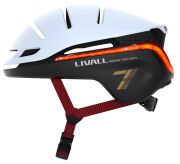
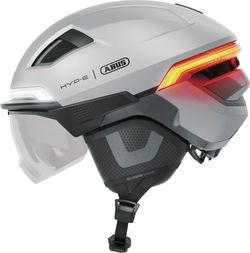
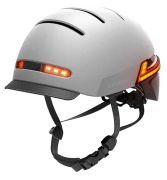
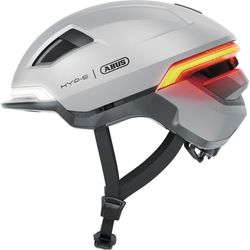
A bicycle helmet typically consists of polystyrene foam (EPS), which has shock-absorbing properties. It is connected to an outer shell made of plastic using the in-mould process. Sporty models use a lightweight microshell made of polycarbonate, while urban, BMX, and children's helmets use a hard shell made of ABS plastic. Some bicycle helmets also incorporate MIPS technology to further enhance accident protection. The straps and adjustment system of the helmet are designed to ensure a custom fit and secure fit. An insect guard ensures that no insects get lost in the helmet while on the go. Many helmets now feature LED lighting at the back and some even at the front. It is important to note that these do not replace the required bicycle lighting but only supplement it. Additionally, care should be taken to ensure that other road users are not dazzled. The market also offers bicycle helmets with smart features, ranging from flashing and brake lights to integrated speakers and accident sensors. The connection between the helmet and smartphone is usually made via Bluetooth.
What types of bicycle helmets are there?
To ensure optimal protection, it is important to choose the right helmet for the specific activity. Each helmet type has specific features and characteristics tailored to its intended use. Multi-sport helmets are suitable for various activities such as cycling, skateboarding, or inline skating.
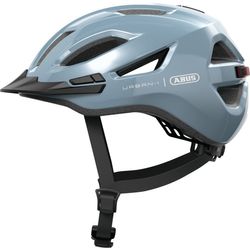
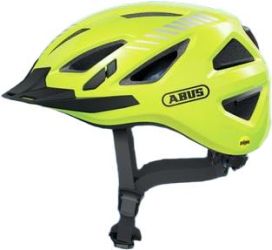
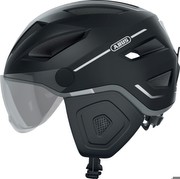
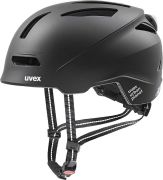
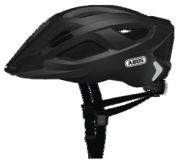
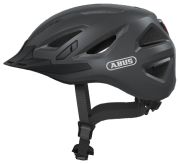
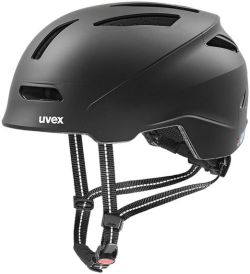
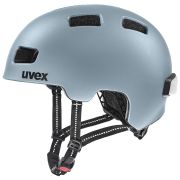
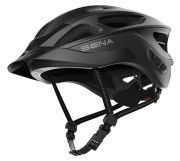
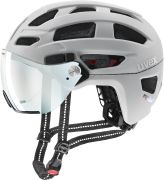
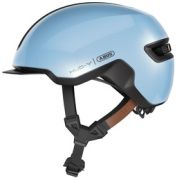
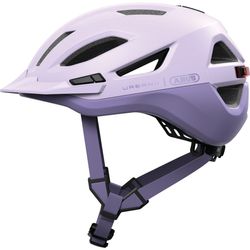
- City and touring helmets are designed for use in urban environments or for extended cycling tours on weekends. They provide good protection against falls, have adequate ventilation, and often feature integrated lighting to increase visibility in city traffic. Their often simple design leaves no reason not to wear a helmet.
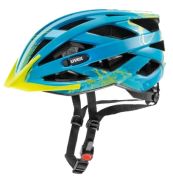
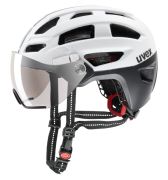
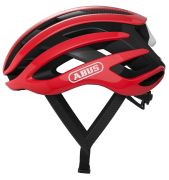
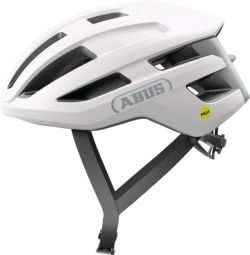
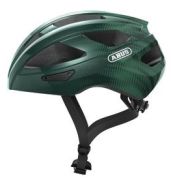
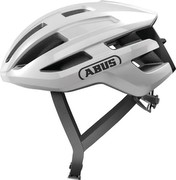
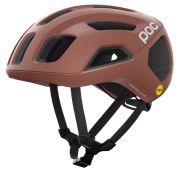
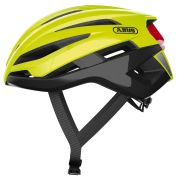
- Road bike helmets are aerodynamically shaped to minimise air resistance. They are lightweight, provide good ventilation to avoid overheating, and are suitable for long training rides and competitions. Their shape allows for a good field of vision and thus a good overview of the road. Road bike helmets typically do not have a fixed sun visor.
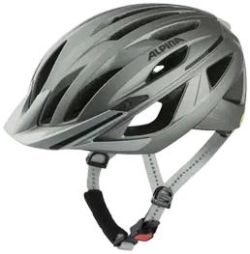
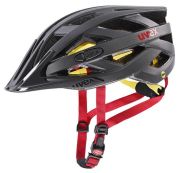
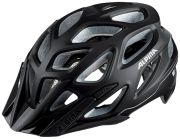
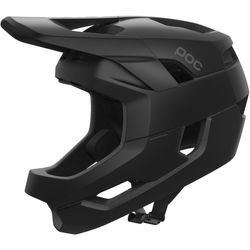
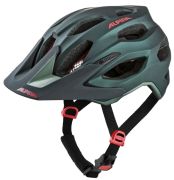
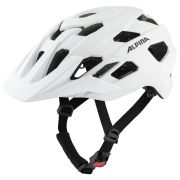
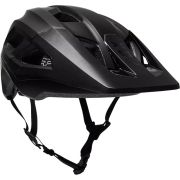
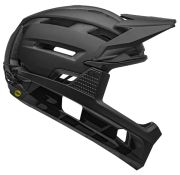
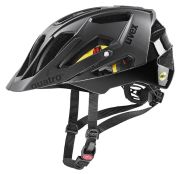
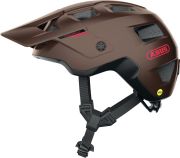
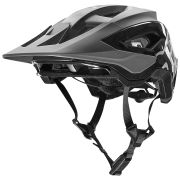
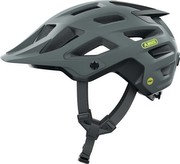
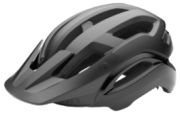
- Mountain bike helmets offer additional protection on the sides and back of the head, as the risk of falling in rough terrain is particularly high. They are robust, have many ventilation holes, and are ideal for rides on trails and in the mountains. A removable and usually adjustable sun visor provides the necessary visibility when climbing. For demanding downhill and freeride tracks, full-face helmets provide the necessary safety and additional chin protection.
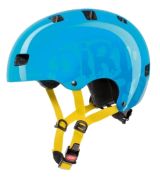
- Children's helmets offer the same protection as adult bicycle helmets. They have a child-friendly design and are adjustable to head size. It is particularly important that the helmet fits snugly on the head to ensure optimal protection.
- BMX helmets have a hard shell that provides particularly good protection against impacts and falls. They have few ventilation holes, easily replaceable inner padding, and are somewhat heavier due to their construction.
How should a bicycle helmet fit?
The correct fit of the bicycle helmet is crucial for its effectiveness in an accident. A loosely fitting helmet can twist upon impact and not adequately protect the head. Therefore, it is important that the helmet fits properly and does not wobble during head movements. A well-fitting helmet should sit snugly but not uncomfortably on the head and be level, with the front edge about 2.5 cm above the eyebrows. The straps should form a V under each ear, and the chin strap should fit as tightly as possible without causing discomfort. There should be at least one finger's width between the strap and the neck to prevent it from pinching uncomfortably. To determine the correct helmet size, measure the head circumference at the widest point of the head above the eyebrows. Bicycle helmets are available in various sizes and are indicated in unisex sizes S to L and in centimetres (52-62 cm). They feature an adjustment system that allows for individual fitting. There is also a good selection available for particularly small or large heads. Since everyone has a different head shape, one cannot rely solely on head circumference. It is advisable to try on several models to find the ideal bicycle helmet for one's head shape.
Do bicycle helmets have good ventilation?
Good ventilation is important to increase the comfort of wearing a bicycle helmet, especially on longer rides or in hot summer weather. The ventilation openings in the helmet allow for airflow and heat dissipation. They draw in cool air into the helmet and let warm air escape, creating a "chimney effect" that helps keep the head cool. However, the degree of ventilation can vary significantly depending on the design and intended use of the helmet. Helmets with many ventilation openings offer better air circulation and higher comfort. Road bike helmets have many ventilation openings and an aerodynamic design to ensure maximum cooling at high speeds. Mountain bike helmets may have fewer but larger openings to ensure adequate airflow even at lower speeds. Some helmets have adjustable ventilation openings that can be opened or closed depending on weather conditions.
How long does a bicycle helmet last?
The recommendation to replace a bicycle helmet every 3 to 5 years is based on the assumption that helmet materials lose effectiveness due to natural aging and environmental influences. Material fatigue, UV radiation, moisture, and temperature fluctuations affect the protective effect. Adhesives that bond the various parts of the helmet can break down, and the helmet shell can become brittle and less shock-absorbing. However, it should be replaced at the latest after a fall or a hard impact against the helmet. The impact can cause invisible cracks that severely compromise the structural integrity of the helmet and its ability to absorb future impacts. When it is time to buy a new helmet, it should comply with current safety standards. Many countries have testing and certification bodies that guarantee the safety and quality of bicycle helmets. In the UK, a cycle helmet should comply with BS EN 1078 and carry the appropriate conformity marking. When buying, it is best to choose a helmet from a reputable retailer and check that it clearly shows compliance with the relevant safety standard.
What advantage do bicycle helmets with MIPS have?
MIPS stands for Multi-Directional Impact Protection System and is a technology used in many modern bicycle helmets to improve accident protection. The MIPS technology consists of a thin, low-friction layer between the helmet shell and the inner lining. In the event of an impact, this layer allows for slight movement (about 10-15mm) in all directions. This helps to reduce the amount of rotational energy transferred to the brain, thereby decreasing the risk of head injuries. Helmets with MIPS can provide additional protection in accidents, especially in falls where the head strikes the ground at an angle.