





















Newly Added Products

Football boots: Consumer tips
The cushioning primarily protects the joints. Support is particularly important for foot and leg deformities, as there are specific requirements in these cases. Therefore, before purchasing football boots, you should definitely consult an orthopaedist or specialist retailer about the condition of your feet and have them measured.
Which shoe for which surface?
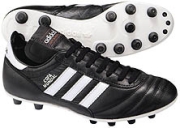
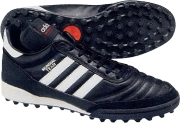
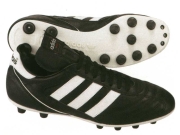
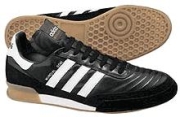
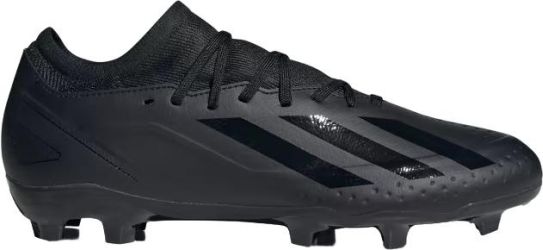
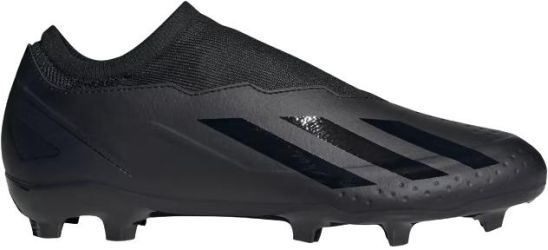
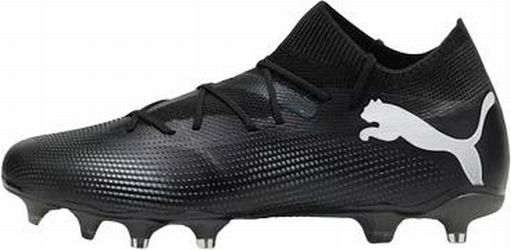
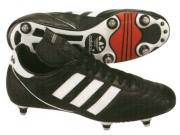
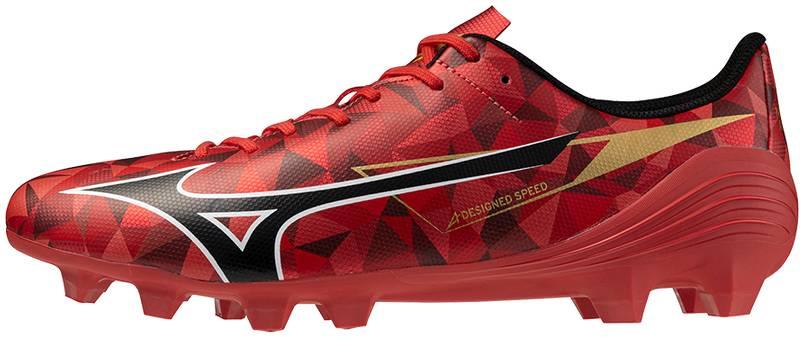
In general, a distinction is made between stud, conical, and indoor shoes. In stud shoes, the small cylindrical profile caps are attached independently and individually to the sole and are replaceable. They can be made of leather, rubber, ceramic, aluminium, or plastic. They primarily serve to provide players with better grip on soft grass. Although studs come in various lengths, the strictly defined maximum length must be observed. In the professional sector, interchangeable studs or screw-in studs are still used, but in regular hobby football boots, the studs are now largely integrated into the football boot itself. In conical shoes, the profile caps are a fixed part of the sole and are not replaceable. The sole must have at least ten conical studs. Conical shoes are used on particularly hard, dry football pitches. Conical studs, like regular studs, provide better grip on the surface. The length of the conical studs is also strictly regulated. It is important that the studs in the middle of the football boots should be slightly shorter than those at the edge. This relieves pressure on the sensitive midfoot. On very hard and simultaneously elastic indoor surfaces, no studs or conical studs are needed. Shoes for indoor football have a special smooth indoor sole, which features grooves and ridges to increase grip. The outsole should be as abrasion-resistant as possible, and the entire shoe should provide good cushioning, as sudden stops create immense pressure on the foot that must be absorbed by the outer material.
What should you pay attention to when buying?
Of course, besides the orthopaedic criteria, the fit is the most important. When playing sports, the toes need more space than in regular shoes: a thumb's width of space in front is the minimum. The shoe should be snug at the heel and comfortable on the instep. Wear the same socks that you will ultimately be playing football in. The best time to try on new shoes is in the afternoon, as your feet swell during the day just like when playing sports. Shoes should not be tested on hot days. The fit on both feet is crucial, as some people have different sizes. To prevent blisters, professionals often wear two pairs of socks on top of each other. However, a good air conditioning system in the shoe can also make wearing them more comfortable. An asymmetrical lacing system can ensure that an optimal contact area with the ball is created.