






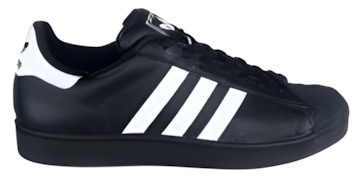
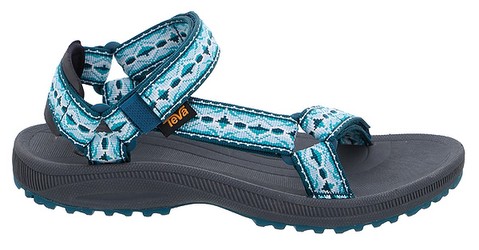
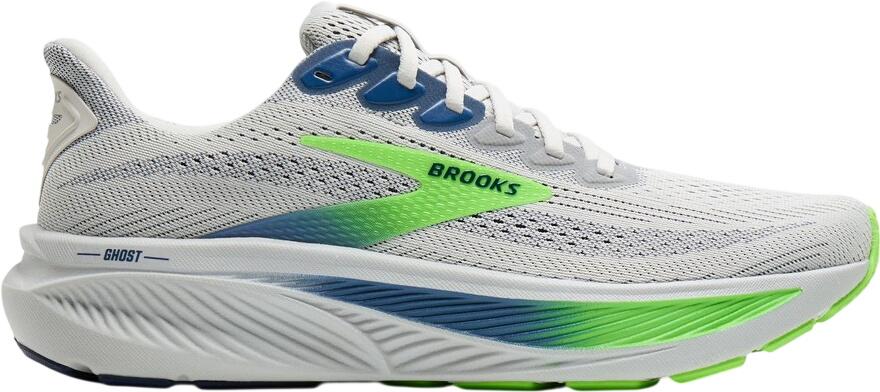

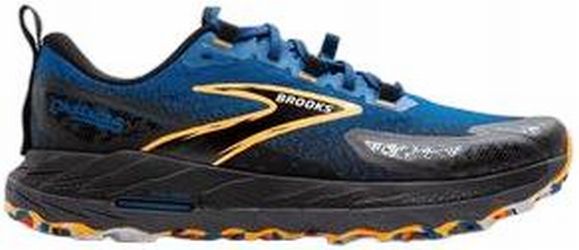
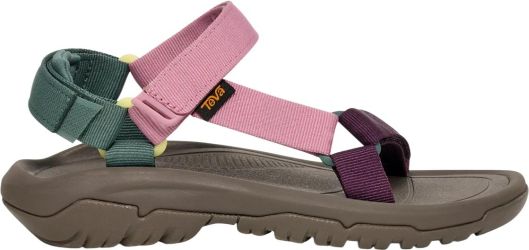
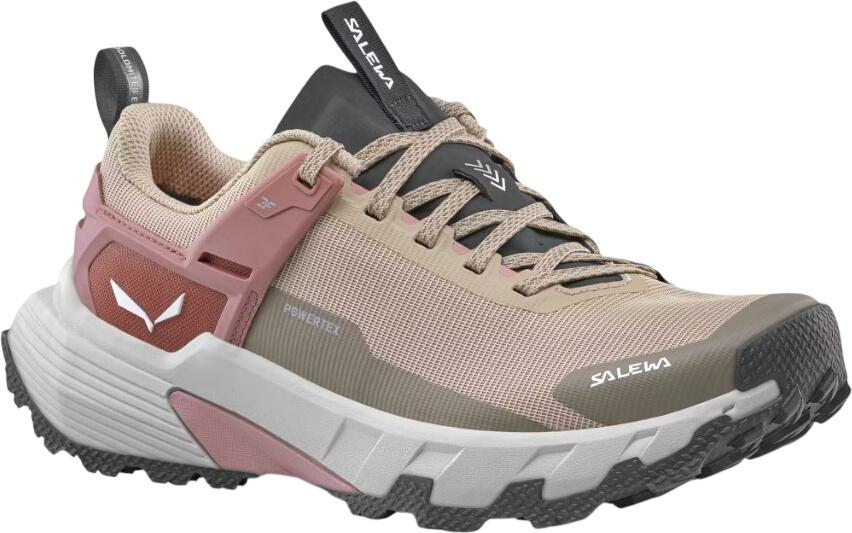
Newly Added Products

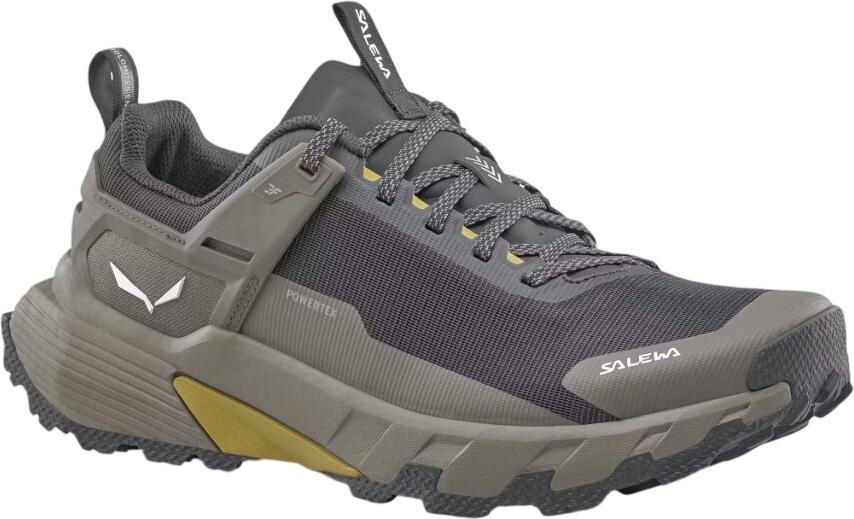
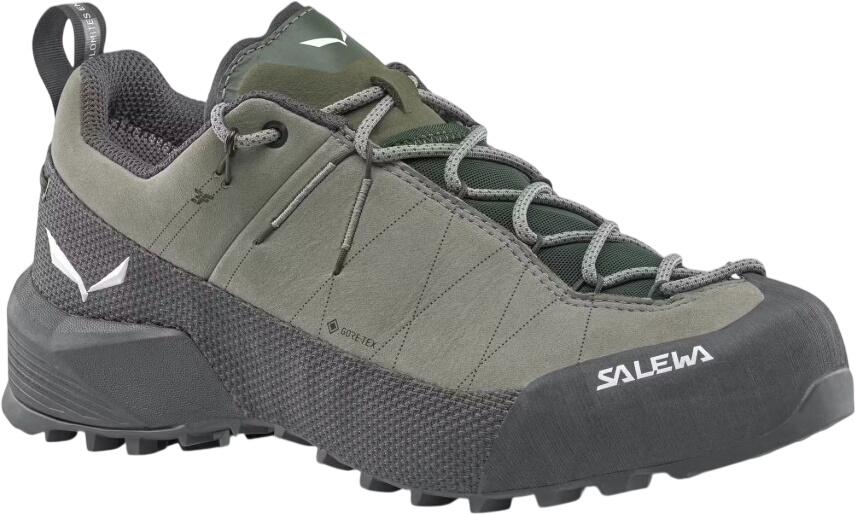
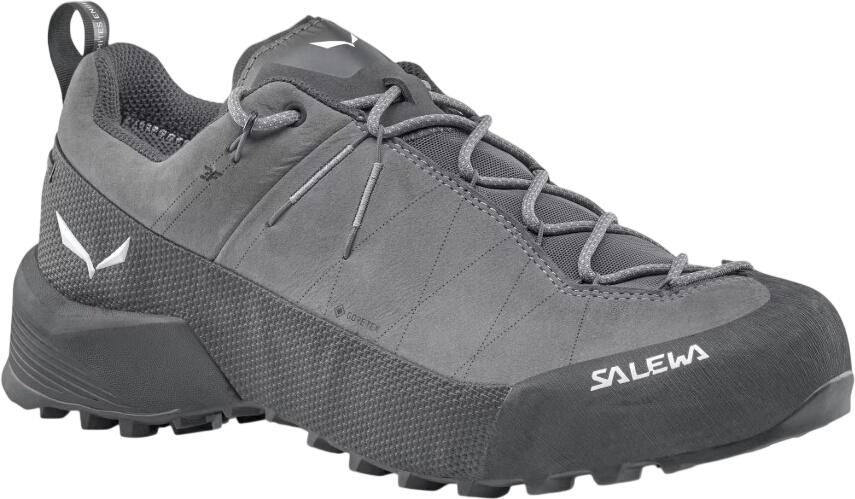
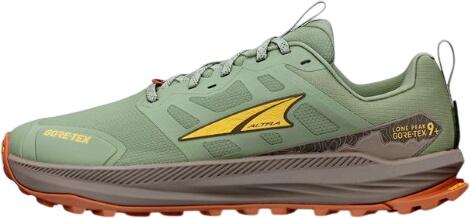
Sport shoes: Consumer tips
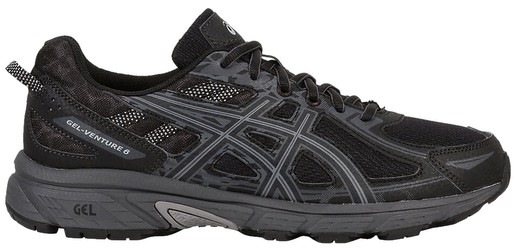
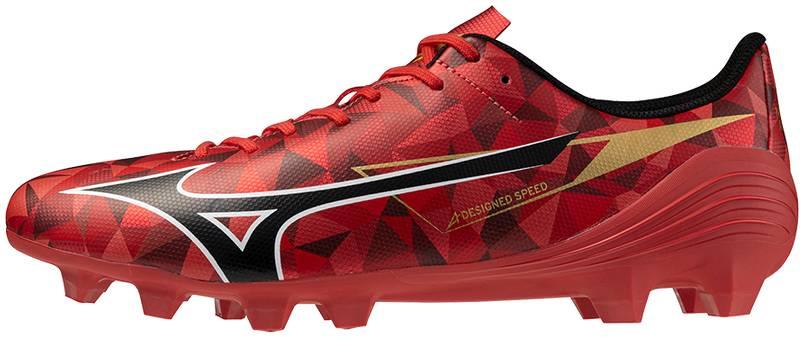
Depending on the sport, different requirements are placed on the trainers. Sometimes you need particularly good cushioning for jogging on asphalt, and sometimes the ankle needs to be well protected when playing basketball. Football shoes are equipped with studs or cleats on the soles to provide the best grip on any surface. For climbing, shoes are needed that fit particularly snugly and are equipped with a tension system. Only then can the high difficulty levels in the climbing gym be mastered.
The predecessors of today's sports shoes were made of linen and had a rubber sole. In 1917, Converse released the "Chuck Taylor", which is still worn as a fashionable sneaker. Adi Dassler made the first sports shoes in his mother's laundry room in the 1920s. They were specifically tailored to the feet of athletes. His shoes were even worn at the Olympic Games at that time. Since the founding of Adidas in 1949, the manufacturer has become an international player in the sports shoe sector. Some of the most well-known sports shoe manufacturers include Nike, Adidas, Puma, Reebok, New Balance, Asics, and Under Armour.
What is the structure of a sports shoe?
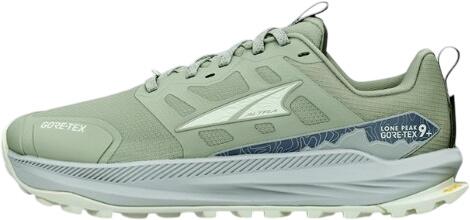
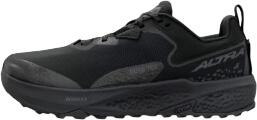
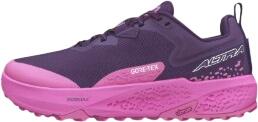
A sports shoe consists of a sole, including a cushioning midsole, insole, the upper and inner shoe, and a lacing system. Modern soles with cushioning elements are made from EVA (ethylene-vinyl acetate). Additionally, they can be rubberised to reduce sole wear and increase grip. The insole in high-quality models has an anatomically shaped footbed. It is also possible to replace it with an orthopaedic insole. The upper and inner material is made of synthetic or mesh to enhance breathability. In contrast, classic hiking shoes use leather as the upper material. Here, durability and stability are key. From simple lacing to sophisticated quick-lacing systems - the shoe can be optimally adjusted to the individual foot, increasing stability. With an integrated waterproof membrane, outdoor athletes and runners can pursue their passion all year round, regardless of the weather.
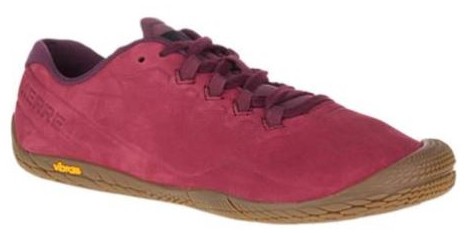
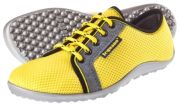
A new trend is barefoot shoes, also known as minimalist shoes. They have a flat and flexible sole and a wide toe box that corresponds to the natural shape of the foot. There is a complete absence of drop – after all, the foot doesn't have one either. However, the surface should not be too hard, as they have less cushioning.
Sports shoes for the street?
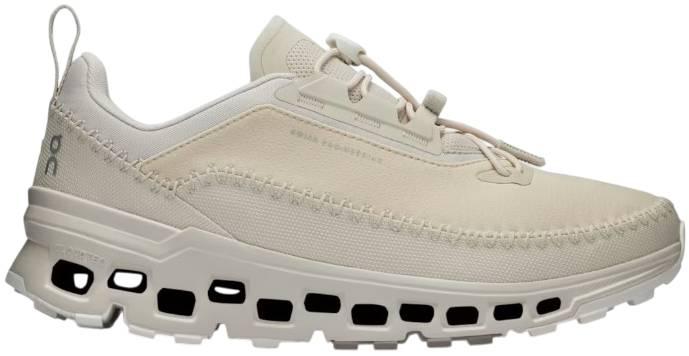
The designs of the shoes are constantly changing. While a sports shoe used to be simple and purely functional, they are now becoming increasingly futuristic and colourful. Since the arrival of sneakers in the fashion world, there are no limits. They are absolutely street-appropriate and fashionable at the same time. Manufacturers are launching collaborations with established designers. These are usually limited and sell out quickly.
Types of sports shoes - What types are there?
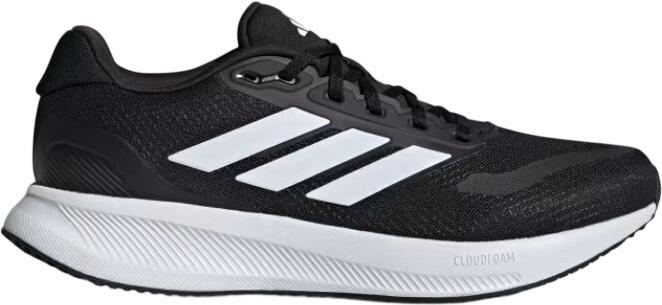
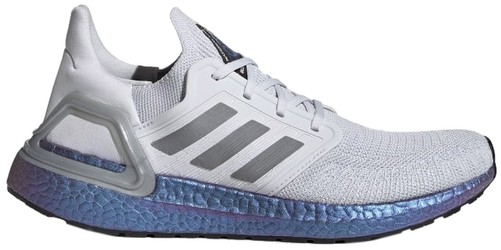
- Running shoes: A running shoe has good cushioning and provides support to the foot with a pronation support.
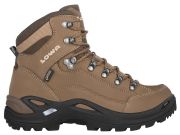
- Hiking shoes: The feet stay dry, and the higher shaft prevents rolling of the ankle.
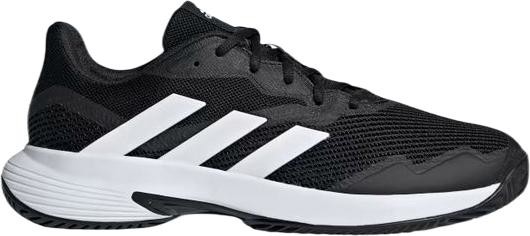
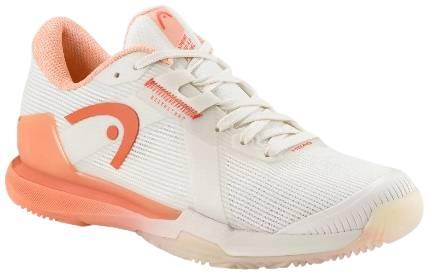
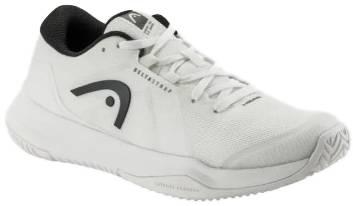
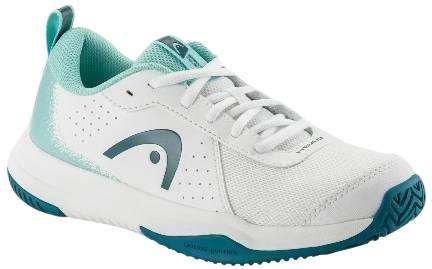
- Tennis shoes: Plenty of grip and stability help the tennis player achieve match victory.
- Golf shoes: With spikes and a waterproof membrane, the golf round can be mastered.
- Basketball shoes: A high shaft and good cushioning are essential to protect against injuries.
- Indoor shoes: To avoid leaving marks on the indoor floor, a special 'non-marking' sole is used here.
- Handball shoes: For quick direction changes, a lot of grip and high durability are needed.
- Climbing shoes: Whether bouldering or on the wall. The shoe must fit snugly and offer plenty of grip.
- Cycling shoes: Optimal power transfer to the pedal is enabled by a particularly stiff sole.