

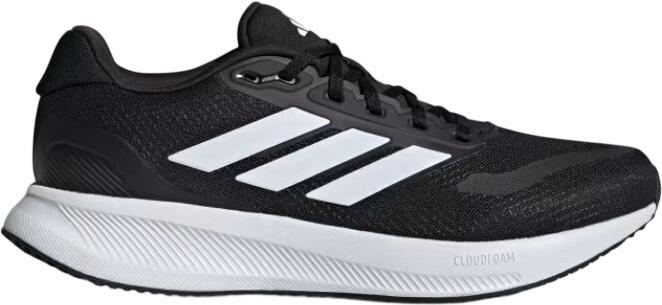
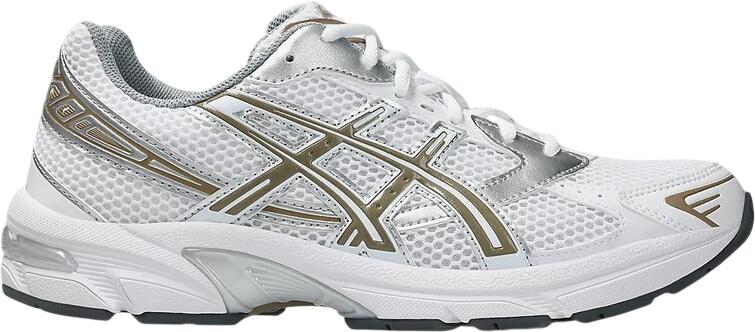








Newly Added Products

Running shoes: Consumer tips
What should I consider when buying?
Take your time when trying on running shoes. It often takes longer than a few minutes to find the right pair, and it is worth visiting a specialist running shop if you want more detailed fitting help. Try shoes on with the socks you normally run in, walk and jog in them if possible, and pay attention to pressure points straight away.
A running shoe should feel secure without feeling tight. Your toes should have room to move, the heel should feel stable, and the upper should not rub around the ankle or Achilles. The shoe should also feel smooth through the stride rather than awkward or overly forced.
Key things to check:
- Comfort from the first try-on
- Enough room in the toe box
- No rubbing at the heel or ankle
- Secure midfoot fit without pressure from the laces
- A stable feel for your weight and running style
- Suitability for your main running surface
Body weight can still influence what feels best, but it is better to think in terms of overall support and comfort rather than following a rigid rule. Some runners prefer a firmer, more stable feel, while others get on better with softer cushioning.
What types of running shoes are there?
The most useful way to divide running shoes is by purpose rather than by older technical labels alone. Most runners will end up choosing between road shoes, trail shoes, daily trainers and performance-focused options.
The main categories are:
- Road running shoes: designed for pavements, treadmills and smooth paths
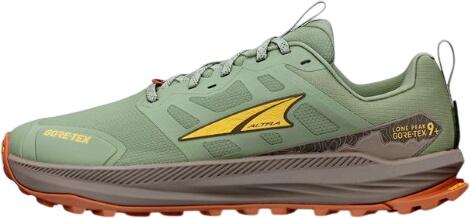
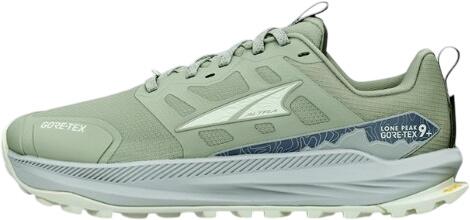
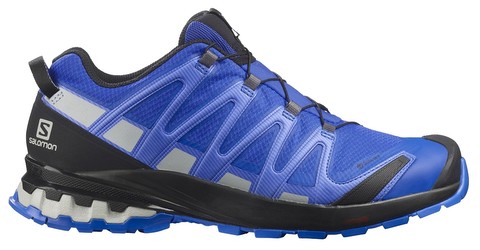
- Trail running shoes: made for mud, gravel, uneven ground and off-road routes
- Daily trainers: versatile shoes for regular runs and general training
- Cushioned running shoes: ideal for runners who want a softer feel on longer or easier runs
- Stability running shoes: suitable for runners who prefer a bit more guidance or support
- Race-day or fast-training shoes: lighter models, often with more aggressive geometry and sometimes carbon plates
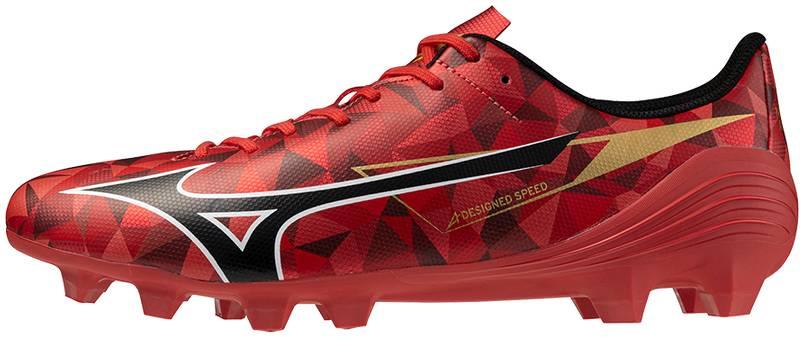
- Track spikes: specialist shoes for track racing rather than general running
Some runners still need more structured support, but most shoppers will get better results by choosing the most comfortable shoe in the right category rather than chasing the strongest correction available.
Neutral or stability shoes?
This is still one of the most common questions. Neutral shoes work well for many runners and are often the default starting point. Stability shoes can be worth considering if you prefer a more guided feel or have a history of discomfort in less supportive models.
The important change in current advice is that pronation is no longer treated as the only deciding factor. A gait assessment can be helpful, especially in a specialist running shop, but it should be one part of the decision rather than the whole answer. Comfort, injury history, running volume and how stable the shoe feels to you matter just as much.
What about cushioning?
Cushioning remains important, especially if you run regularly on hard surfaces such as pavements and roads. Softer, higher-stack shoes are now very common, and many modern daily trainers offer more cushioning than older running shoes used to. That can be helpful for comfort on easy miles and longer runs, but the softest shoe is not automatically the best one for every runner.
A simple guide:
- Road running: medium to high cushioning is often a good choice
- Long runs: many runners prefer extra cushioning for comfort
- Mixed paths and park routes: moderate cushioning often works well
- Trail running: cushioning should be balanced with grip and stability
- Track sessions or faster efforts: lighter, firmer shoes may feel better
The goal is not maximum softness at any cost. You want cushioning that matches your running style and still feels controlled underfoot.
Surface matters: road, trail or mixed use?
The surface you run on should play a big part in your decision. If most of your runs are on pavement, a road shoe makes far more sense than a waterproof trail model. If you run on muddy paths, steep woodland trails or loose gravel, a proper trail shoe will usually offer better grip and confidence.
Choose by surface:
- Pavements and roads: road running shoe
- Park paths and light mixed terrain: road shoe or hybrid model
- Muddy trails and uneven off-road routes: trail running shoe
- Synthetic track: lighter training shoe or track-specific shoe depending on session type
If you only want one pair, a road-focused daily trainer is still the most practical option for most runners, unless you spend a lot of time off-road.
Performance shoes
Competition shoes have changed a lot in recent years. Today, many faster models use high-rebound foams, rockered shapes and, in some cases, carbon plates or nylon plates to improve efficiency and speed. These are now a major part of the performance running market, especially for races and hard training sessions.
That does not mean every runner needs one. Performance shoes are most useful if you race regularly or want a separate pair for intervals, tempo sessions or race day. They are usually less durable and less versatile than a standard daily trainer.
Minimalist and barefoot shoes: a niche choice
Minimalist and barefoot-style running shoes remain a niche option and should be approached with caution. While some experienced runners enjoy the lower stack height and more direct ground feel, they are not a safe default choice and usually require a gradual transition.
For most people, especially beginners or anyone returning from injury, a more conventional cushioned running shoe is the better place to start. If you are interested in minimalist footwear, it is sensible to adapt slowly and, if needed, seek advice before making a full switch.
How are running shoes constructed?
Modern running shoes still use the same basic parts: an upper, midsole, outsole and lacing system. What has changed is how these parts are tuned. Uppers are often lighter and less bulky, midsoles now use more advanced foams, and outsoles are designed more carefully around specific surfaces and usage types.
You do not need to buy based on technical jargon alone, but it helps to know what matters:
- Upper: affects fit, breathability and lockdown
- Midsole: affects cushioning, bounce and stability
- Outsole: affects grip and durability
- Heel and collar design: affects comfort and security
- Lacing and tongue: affect pressure and fit adjustment
If you wear orthotics, check that the shoe works well with them and that the insole can be removed if necessary.
More tips for buying running shoes
A few practical habits can make choosing much easier:
- Try several models rather than buying the first pair that feels acceptable
- Use a specialist running shop if you want fitting support
- Buy for your main type of run, not every possible scenario
- Prioritise fit and comfort over trend-led features
- Do not assume the same size will fit across every brand
- Replace worn-out shoes before they become uncomfortable