





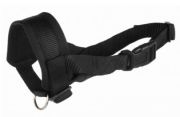


Muzzle: Consumer tips
A muzzle is a tool for dogs that is placed over the snout for a certain period to prevent biting or to stop the ingestion of poisoned bait. Available options range from simple nylon muzzles to wire muzzles made of metal or plastic, to specially adapted models for certain breeds or head shapes.
The use of a muzzle may be necessary for various reasons. In many public transport systems or at certain events, wearing a muzzle is mandatory for all dogs, regardless of their size or behaviour. For dogs with known aggression issues, a muzzle is a sensible safety measure that protects both the dog and its surroundings. A muzzle may also be necessary at the vet to protect the medical staff. When getting used to a muzzle, positive conditioning is important so that the dog does not perceive wearing it as a punishment.
Getting used to it
Getting used to the muzzle should be done gradually and with positive reinforcement. The dog is initially motivated with treats and praise to voluntarily put its snout into the muzzle. The wearing time is then slowly increased, while always watching for signs of stress or discomfort. A good acclimatisation to the muzzle is important so that the dog accepts wearing it and does not try to remove it on its own, which in the worst case can lead to injuries.
Design
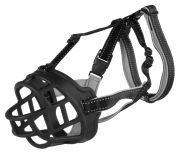
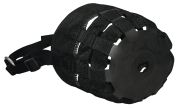
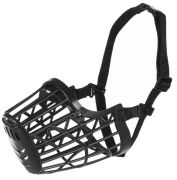
Basket-like muzzles, also known as bite muzzles, completely enclose the snout and provide enough space for the dog to open its mouth, pant, drink, and even take small treats. This design is suitable for longer wearing times and is recommended by animal welfare organisations. Loop muzzles are made of textile straps that are placed around the snout and tighten when the mouth is opened. They are compact and lightweight but prevent panting and should therefore only be used for very short periods.
Fit
A well-fitting muzzle must be tight enough to prevent it from being removed, but provide enough space for the dog to pant freely, which is essential for temperature regulation. Muzzles are available in various sizes and have adjustable straps that allow for individual fitting. When selecting the right size, the circumference, width, and length of the snout are taken into account. For dogs with particularly short snouts or other anatomical peculiarities, there are specially adapted models.
Material
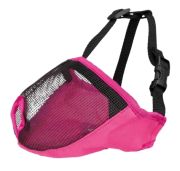
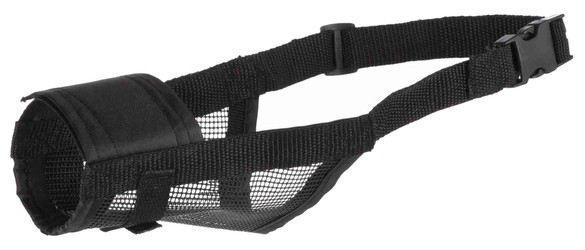
Plastic muzzles are lightweight, easy to care for, and available in various sizes and shapes. They offer a good compromise between safety and comfort and are suitable for most everyday situations. Metal muzzles, usually made of coated steel or aluminium, are particularly robust and secure, but somewhat heavier and can cause pressure points if not fitted properly. For short uses or in emergency situations, textile muzzles made of nylon or mesh fabric are available, which are very light and flexible but offer less security and can significantly restrict panting.