





















Dog House: Consumer tips
Why a dog house can be useful
Many dogs like having a defined space where they can settle and feel secure. A dog house can help provide:
- shelter from rain and wind
- shade in warmer weather
- a drier place to rest
- a more private retreat in busy households
- added comfort for dogs that spend time outdoors regularly
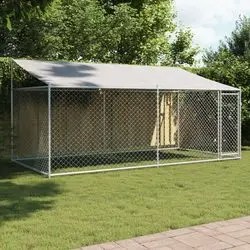
This can be especially useful for dogs in larger gardens, working dogs, or dogs that use an outdoor run during the day. It can also help more sensitive dogs who prefer a quieter place away from noise and activity.
Size matters
A dog house should be big enough for your dog to:
- stand comfortably
- turn around easily
- lie down without feeling cramped
At the same time, it should not be excessively large if you want it to feel sheltered and retain warmth better in cooler weather. The right size depends on your dog’s breed, build and coat type, but the general aim is a comfortable fit rather than unnecessary empty space.
If you have more than one dog, separate houses are often the better option unless the product is specifically designed for shared use.
What shape works best?
Different designs suit different spaces, but some common options include:
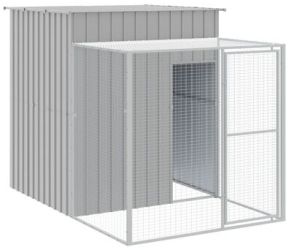
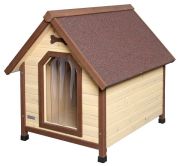
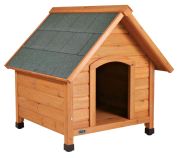
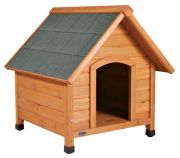
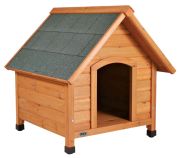
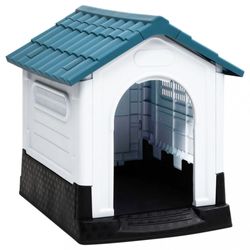
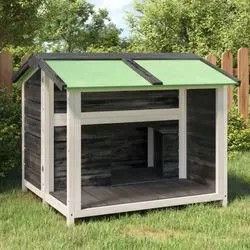
- apex-roof dog houses, which are popular for rain run-off
- igloo-style houses, which can feel enclosed and sheltered
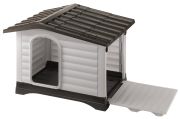
- flat- or lift-roof models, which can be easier to clean
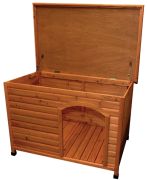
A removable or opening roof is a very practical feature, especially if you want easier cleaning and bedding changes.
Where should a dog house go?
Placement makes a big difference. In a garden, the ideal spot should be:
- sheltered from prevailing wind
- protected from prolonged heavy rain
- shaded at least part of the day in summer
- clear of standing water
- easy for the dog to access
It is usually best not to place the house directly on bare soil or in a low point of the garden where water gathers. A good setup helps keep the interior drier and more comfortable.
If you rent, or if your outdoor space is shared or more restricted, it is also worth checking any tenancy or garden-use rules before installing a large shelter.
Raised bases are especially useful
One of the most practical features in this category is a raised floor. In British conditions, damp ground is often a bigger issue than extreme heat. Raising the house slightly off the ground helps with:
- airflow underneath
- keeping the floor drier
- reducing cold and damp transfer
- improving overall comfort
Some owners use a firm base such as paving slabs or gravel underneath, which can help with drainage and stability.
Insulation and weather resistance
Buyers often expect more than a basic shell. Many shoppers are specifically looking for dog houses that are:
- insulated
- raised
- weather-resistant
- easy to wipe clean
- suitable for year-round outdoor use
This makes sense in the UK, where rain, wind and chilly overnight temperatures can all be common even outside winter. A dog house intended for regular outdoor use should ideally offer more protection than a decorative garden kennel.
Which material is best?
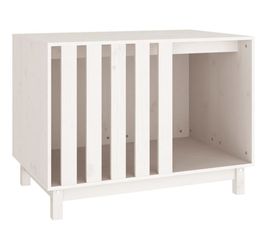
Wood
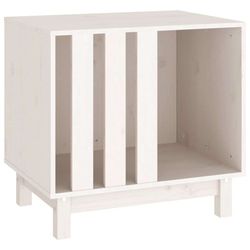
Wood remains a popular choice because it looks natural and can offer good insulation. It often suits garden settings well and can feel less stark than plastic or metal.
Advantages:
- attractive appearance
- good natural insulation
- often more comfortable in mixed temperatures
Things to consider:
- needs maintenance over time
- can suffer if left damp for long periods
- quality varies a lot between cheaper and better-built models
Plastic
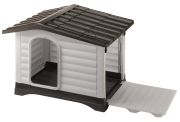
Plastic dog houses are easy to clean and generally low-maintenance. They are often a practical option if hygiene and wipe-clean convenience matter most.
Advantages:
- easy to wash down
- low maintenance
- resistant to rot and insects
Things to consider:
- may offer less natural insulation
- can feel less cosy in colder weather
- budget models can feel lightweight or less sturdy
Metal
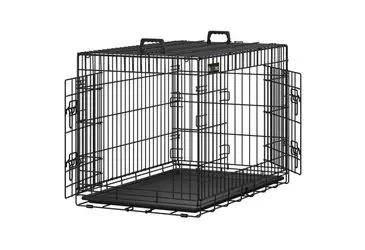
Metal houses are robust, but for most household buyers they are less common as a comfort-first option.
Advantages:
- durable
- strong structure
Things to consider:
- poorer insulation
- can feel cold in winter and warm in direct sun
- less common for general pet comfort in UK gardens
Mixed-material designs
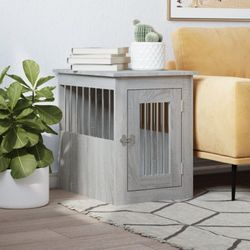
Some products combine materials to balance durability, insulation and ease of cleaning. These can work well if the design is thoughtful and weatherproofing is strong.
Cleaning and maintenance
Whatever material you choose, regular cleaning is important. A dog house should be easy to open, wipe out and dry. That is one reason why removable roofs and smooth internal surfaces are so useful.
Look for designs that make it easier to:
- remove bedding
- clean corners
- dry the interior properly
- inspect for damp or wear
If the house is made of wood, keeping it sealed and in good condition will help it last longer in wet weather.
Extra features worth looking for
A basic house may be enough for occasional use, but some features make ownership much easier:
- raised floor
- insulated walls or roof
- removable roof
- weather flap at the entrance
- non-slip ramp if elevated
- easy-clean interior
- sturdy feet or base
These details often make more difference in real use than appearance alone.
A quick note on outdoor use
A dog house should be seen as a sheltered resting space, not as a substitute for proper care, company or safe housing arrangements. For most pet dogs in the UK, it works best as an outdoor retreat during supervised garden time or regular daytime outdoor access, rather than as a simplistic all-weather solution on its own.