









Dog Toys: Consumer tips
Why toys matter for dogs
Dogs need both physical and mental stimulation. Toys help meet those needs by giving them safe ways to:
- chew
- chase
- carry
- sniff
- search
- solve simple problems
- play socially
Without enough stimulation, some dogs may become restless or develop unwanted behaviours such as destructive chewing, excessive barking or general frustration. The right toy can help redirect that energy in a much more positive way.
Chew toys can also support natural chewing behaviour, while interactive toys and enrichment games can help dogs stay mentally engaged indoors as well as outside.
Different types of dog toy
Not all dog toys do the same job. It helps to choose based on your dog’s habits, age and energy level.
Chew toys
Chew toys are useful for dogs that like to gnaw, mouth or work away at something over time. They can help with:
- boredom relief
- teething for puppies
- satisfying natural chewing instincts
- keeping dogs occupied
- supporting gum and tooth comfort
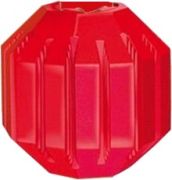
Robust rubber and nylon toys are often a good fit for stronger chewers, while softer options can suit puppies and gentler dogs better.
Fetch toys
Fetch toys encourage movement and active play. Common options include:
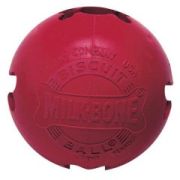
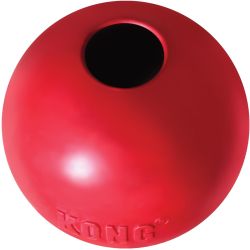
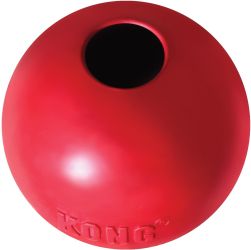
- balls
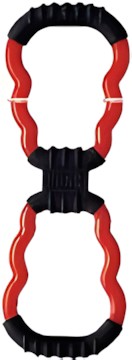
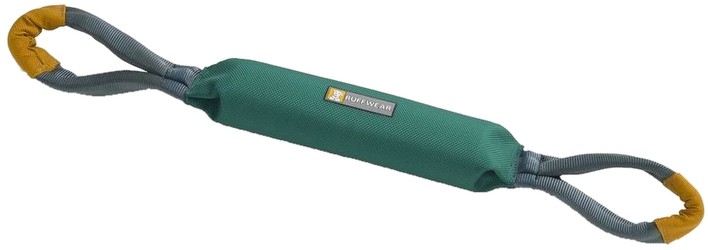
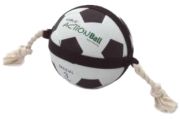
- tug-and-throw toys
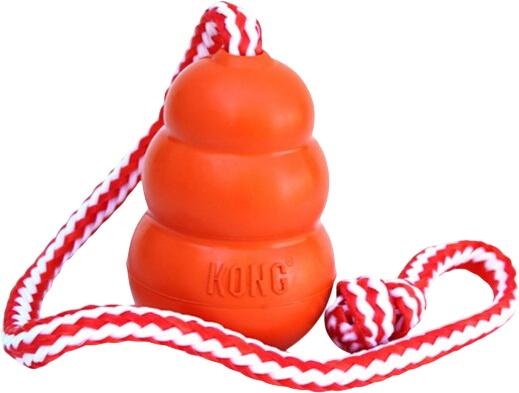
- floating toys for water play
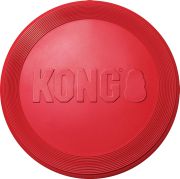
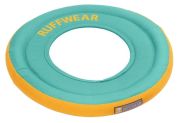
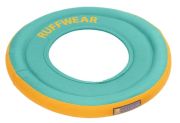
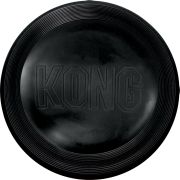
- flying discs
These are ideal for dogs that love to run and retrieve. However, it is better to choose dog-specific fetch toys rather than relying on ordinary sticks, which can splinter or cause mouth injuries.
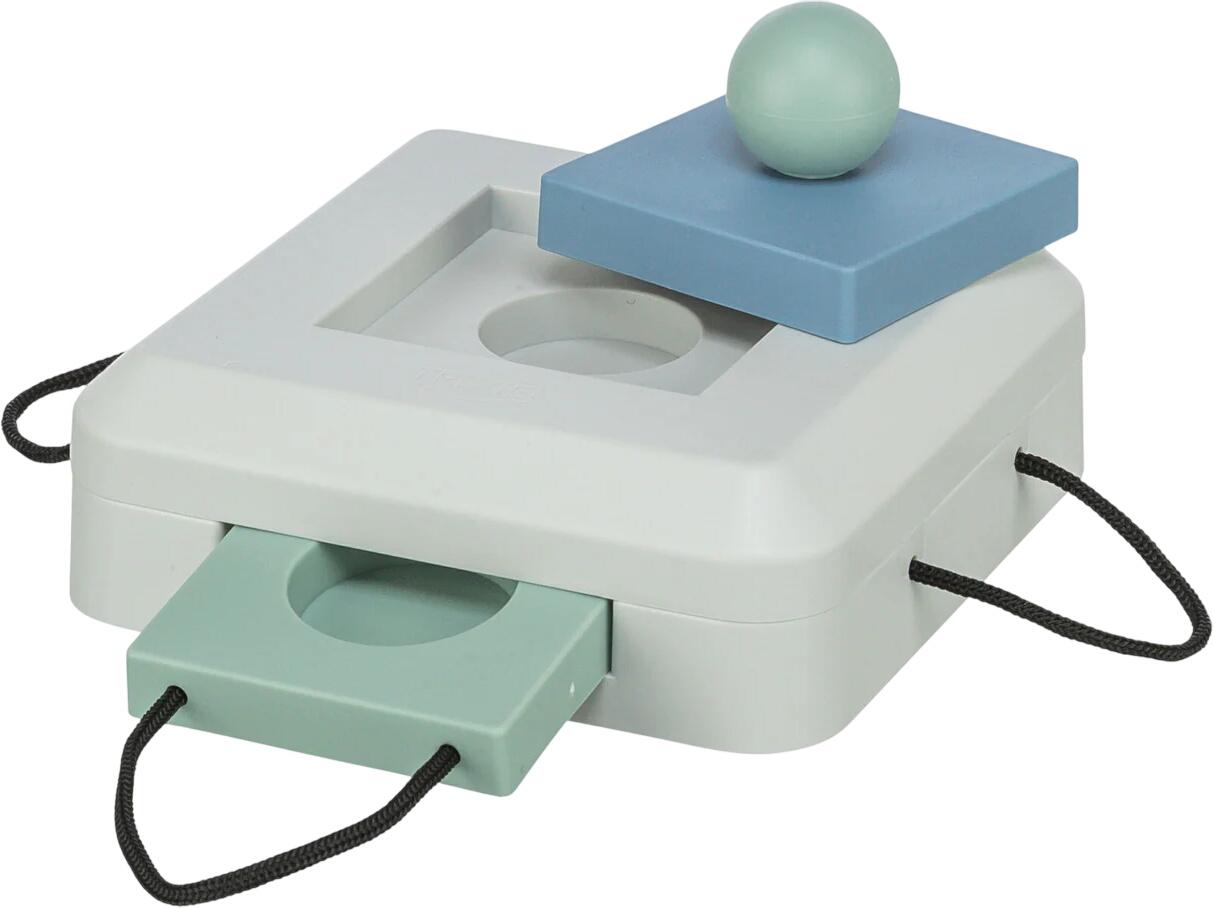
Enrichment toys and interactive puzzle toys
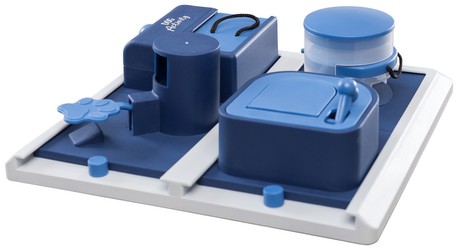
Mental stimulation is just as important as physical exercise for many dogs. Enrichment toys and interactive puzzle toys can include:
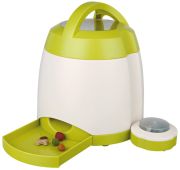
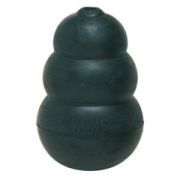
- treat-dispensing toys
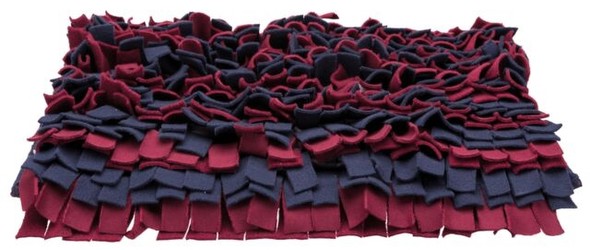
- food search games
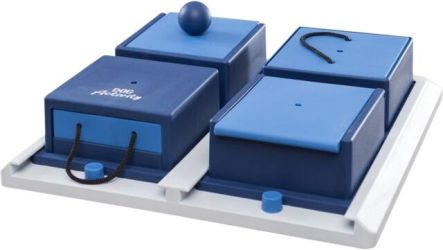
- puzzle feeders
- hidden-compartment toys
These are especially useful for intelligent, high-energy or easily bored dogs. They can also be helpful on rainy days when outdoor time is more limited.
How to choose toys by age
A dog’s play needs change over time, so the best toy for a puppy may not suit an adult or senior dog.
Puppies
For puppies, safety and softness matter most. They are still developing their teeth and often chew frequently. Good options include:
- puppy chew toys
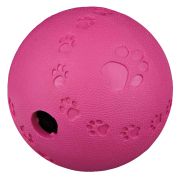
- soft natural-rubber toys
- simple treat toys
- easy beginner puzzle toys
Toys should be easy enough to use that the puppy enjoys success rather than becoming frustrated.
Adult dogs
Adult dogs usually need more durable toys, especially if they are energetic or strong chewers. Active breeds may enjoy:
- tough chew toys
- balls and flying discs
- tug toys
- more advanced enrichment toys
This is the stage where durability becomes especially important.
Older dogs
Senior dogs may still enjoy play very much, but they often need gentler options. Softer chew toys, lower-impact enrichment toys and comfort-style plush toys can all work well. Older dogs may also benefit from mentally stimulating toys that do not require intense physical effort.
Match the toy to the dog, not just the category
Breed tendencies and personality matter just as much as age. Some dogs love carrying toys everywhere, while others prefer tearing, chewing or sniffing out treats.
For example:
- high-energy working breeds often benefit from more challenging enrichment and active play
- strong chewers need tougher materials
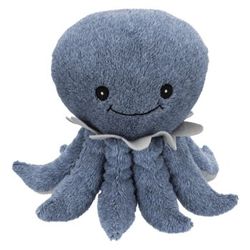
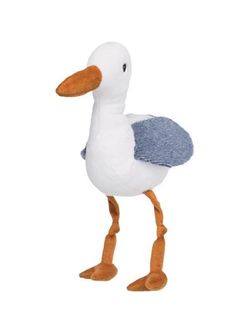
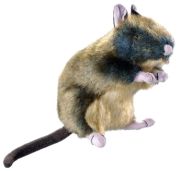
- nervous or comfort-seeking dogs may enjoy plush toys
- food-motivated dogs often respond very well to treat-based puzzle toys
The best toy is usually the one that matches how your dog naturally likes to play.
Safe and durable materials
Material choice matters because dogs use toys with their mouths, teeth and paws. Safer, more durable options often include:
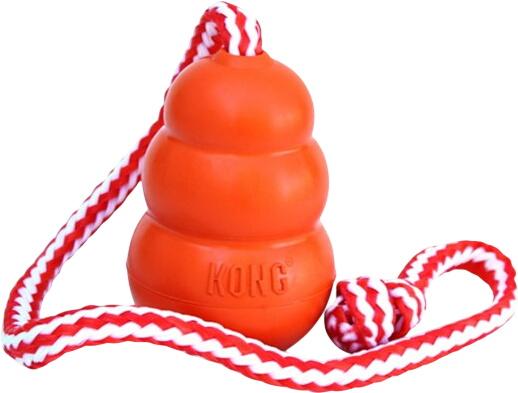
- natural rubber
- sturdy nylon
- strong cotton rope for supervised play
- tougher plush materials for gentler dogs
Natural rubber is one of the most popular choices because it is flexible, durable and widely used in chew and enrichment toys. Nylon can work well for determined chewers, though it should be checked regularly for wear.
Rope toys can be enjoyable, but they are best used with some supervision, especially for dogs that shred and swallow fibres.
Materials to be cautious with
Some toys are less suitable depending on how your dog plays. Be careful with:
- toys that splinter easily
- damaged hard plastic
- low-quality stuffed toys that tear open quickly
- anything with loose parts that could be swallowed
- non-dog items being used as makeshift toys
That includes ordinary sticks, which may seem natural but are not always the safest fetch option. Dog-specific alternatives are usually a better choice.
Supervision still matters
Even a well-made toy is not automatically safe forever. Toys should be checked regularly for signs of wear, especially if your dog is a heavy chewer.
Replace toys if you notice:
- cracks
- loose pieces
- torn seams
- exposed stuffing
- sharp edges
- parts missing
A toy that starts safe can become a hazard once it is damaged.
Useful buying tips
When shopping for dog toys, think about:
- your dog’s age
- chewing strength
- size and breed type
- energy level
- whether the toy is for indoor or outdoor use
- how easy it is to clean
- whether it is designed for supervised or unsupervised play