
























Dog bed: Consumer tips
A dog bed is a sleeping and resting place designed for dogs, providing them with comfort, warmth, and a sense of security. From simple cushions and mats to orthopedic sleeping surfaces and luxurious designer beds with elaborate details, there is a wide range available from manufacturers. To ensure the sleeping comfort and health of the dog, one should not be stingy, and therefore, quality should be particularly considered when making a selection.
Not every dog bed is the same
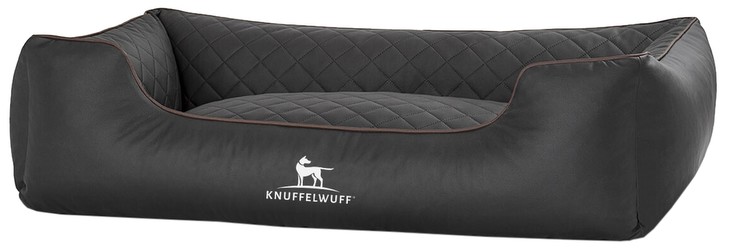
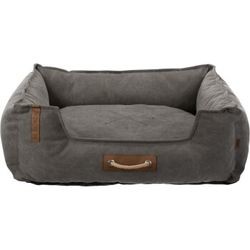
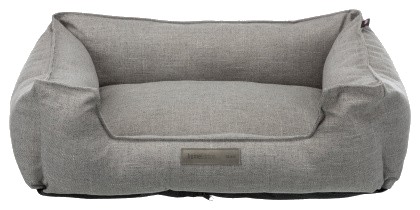
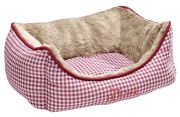
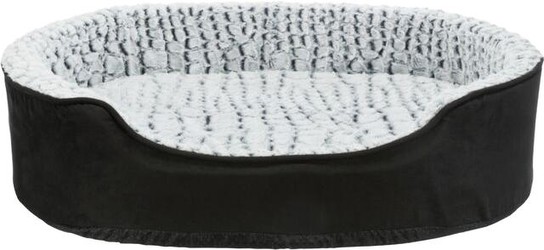
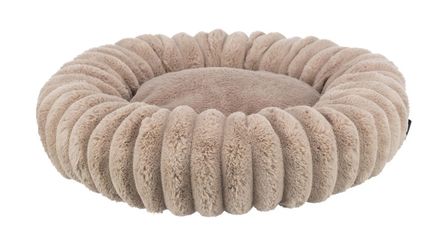
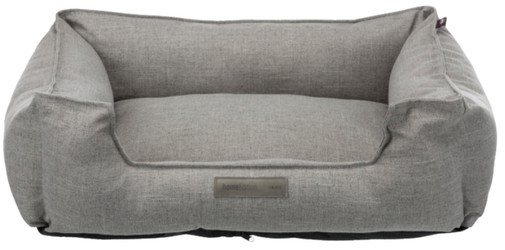
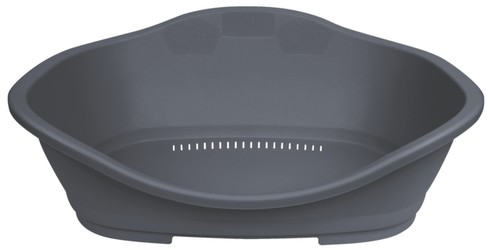
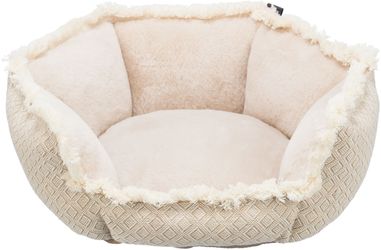
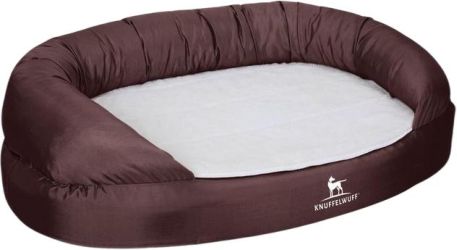
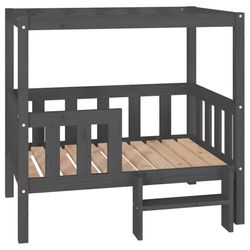
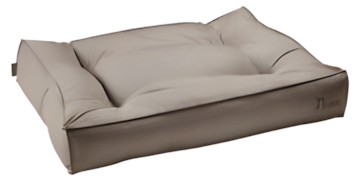
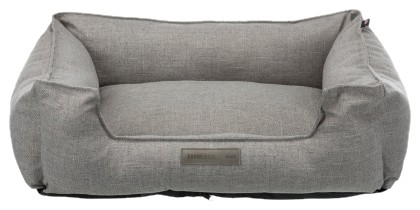
Dog beds are offered in various designs, which should be selected based on the dog's sleeping habits. Cushion-like dog beds are flat, padded surfaces that are particularly suitable for dogs that like to sleep stretched out or tend to overheat quickly in warmer temperatures. Baskets and sofas with raised edges provide additional protection and security, making them suitable for dogs that enjoy cuddling or resting their heads. Cave beds or beds with a roof are ideal for dogs that like to burrow when sleeping or need extra warmth. For older dogs or animals with joint problems, there are orthopedic beds that provide optimal support and reduce pressure points. Orthopedic dog beds are specifically designed for older dogs or animals with joint issues or after surgeries. They are made from high-quality, pressure-relieving foam that adapts to the body shape and reduces pressure points. This promotes blood circulation, relieves joints, and can alleviate pain. Some models feature multiple layers of differently dense foams to provide both support and comfort. Additional features of modern dog beds include heating elements for particularly cold-sensitive dogs, cooling gel inserts for summer, or elevated frames that lift the bed off the ground to protect against drafts. Some models are also equipped with water-repellent or even waterproof covers, which can be particularly practical for older dogs or puppies during house training.
What size should it be?
The size of the dog bed should be adapted to the size of the dog. As a rule of thumb, the bed should be at least as long as the dog from the tip of the nose to the base of the tail, plus about 30 cm for additional comfort. The width should allow the dog to stretch out comfortably or curl up, depending on their preferred sleeping position. For puppies or young dogs that are still growing, it makes sense to choose a slightly larger bed that will still provide enough space later on and does not need to be replaced quickly.
Where is the best place for the dog bed?
The placement of the dog bed should be well thought out and not just put anywhere. It is best placed in a quiet, draft-free spot that offers the dog both a retreat and a view of the household activities. Many dogs appreciate having multiple sleeping spots available to choose from depending on the time of day, temperature, or mood.
Material
The cover should be durable, easy to care for, and ideally removable and washable to allow for regular cleaning. Popular materials include cotton, polyester, faux leather, or special dirt- and water-repellent fabrics. The filling should withstand the weight of the dog without clumping or sagging over time. High-quality foams, especially viscoelastic foam (Memory Foam), provide optimal support and adapt to the dog's body shape. For dogs with dense fur or those prone to overheating, there are cooling materials, while warming fillings such as sheep wool or fleece are suitable for short-haired or older dogs.