
























Pet Care: Consumer Tips
Pet care products include basic items such as brushes and shampoos, as well as special care products for eyes, ears, and teeth. Skin compatibility and effectiveness always play a major role.
Coat care & cleaning
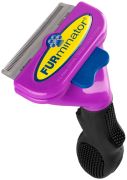
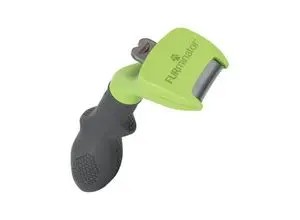
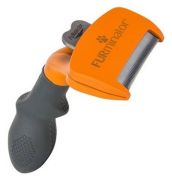
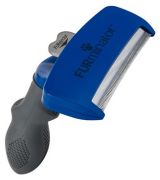
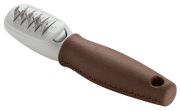
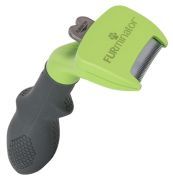
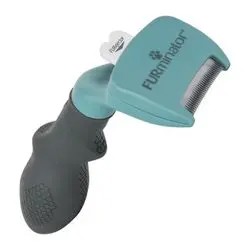
Brushes and combs come in various designs depending on the coat type and are suitable for regular coat care. For short-haired animals, soft brushes or grooming gloves are ideal for removing loose hair and promoting circulation. For long-haired coats, special dematting combs are used to untangle mats and detangle the fur. Undercoat combs or Furminator-like tools specifically remove dead undercoat, which improves air circulation during warmer months and minimises hair loss in the home. Regular coat care also allows for quicker detection of skin problems or even parasite infestations.
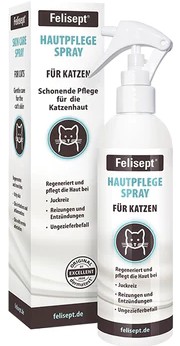
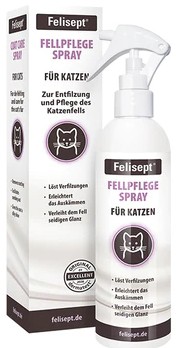
Bathing and cleaning products include shampoos, conditioners, and dry shampoos for various animal species and coat types. Pet shampoos are pH-neutral to avoid disturbing the natural skin barrier and contain nourishing ingredients. For animals with sensitive skin or allergies, there are hypoallergenic variants without fragrances or potential irritants. Conditioners ensure easy combing and shiny coats, while dry shampoos provide quick cleaning without water. Cleaning wipes are also suitable for spot cleaning dirty areas or for animals that should avoid water contact.
Nail and paw care
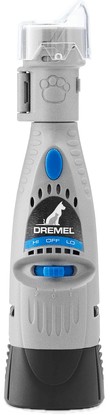
Overgrown nails can lead to misalignments, injuries, or restricted movement, so regular nail care should be a priority. A nail clipper can be used to trim the nails safely. An alternative is nail grinders, which file the nails instead of cutting them. Which of the two options is more accepted by the animal needs to be tested. For cats, scratching boards or trees contribute to the natural wear of the nails and can partially replace manual trimming.
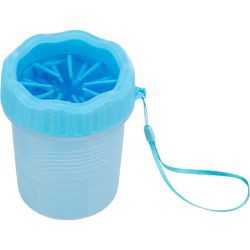
To protect sensitive paws from environmental influences and injuries, paw balm or wax can be applied, creating a protective layer against road salt in winter or hot asphalt in summer while also caring for cracked or dry paw pads. Wash basins with soft bristles make it easier to clean dirty paws after walks and reduce contamination in the home. For animals with a lot of fur between their toes, regular paw trimming may be necessary to prevent matting and the trapping of foreign objects.
Dental, eye, and ear care
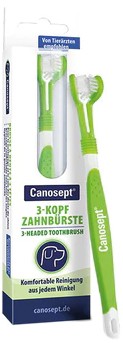
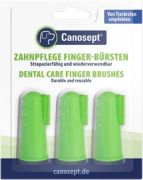
Dental care is important not only for humans and is becoming increasingly significant in pet ownership, as dental problems can lead to serious health issues. Pet toothbrushes come in various sizes and designs, from finger brushes to electric models, allowing for mechanical cleaning of the teeth. There are special toothpastes for animals that are fluoride-free and do not foam. To ensure they are well accepted, they are available in pet-friendly flavours such as chicken or fish. Dental chews or special food additives can complement manual tooth cleaning but never fully replace it.
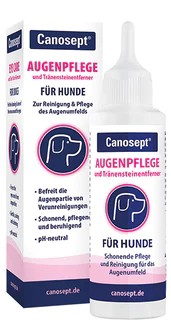
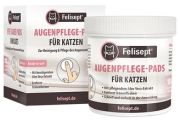
Eye and ear care is particularly important for breeds with anatomical peculiarities. Eye cleaners in the form of lotions or wipes gently remove secretions and dirt from the eye area and help prevent inflammation. Ear cleaners dissolve earwax and dirt, thus reducing the risk of ear infections. Dogs with floppy ears or animals prone to excessive earwax production are more affected by this. Regular checks of the eyes and ears also allow for early detection of problems.