








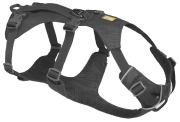
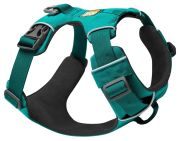
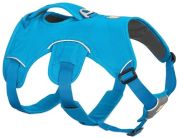
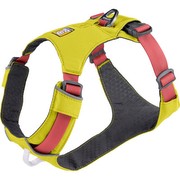





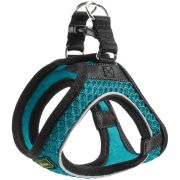
Dog harness: Consumer tips
The dog harness is an alternative to the classic collar and is used for safely guiding the dog on a lead. Common Y-harnesses, special anti-pull models, and multifunctional harnesses with various additional features are available on the market. Adjusting the dog harness to your own dog requires some time and patience. Most dogs need to get used to wearing a harness, especially if they have only known a collar before. Gradual acclimatisation with positive reinforcement helps the dog accept the harness and find it comfortable.
Different types
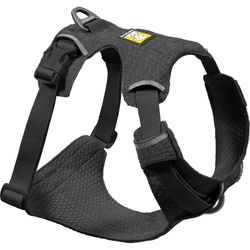
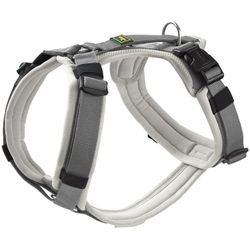
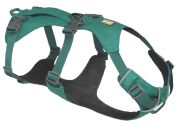
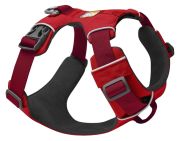
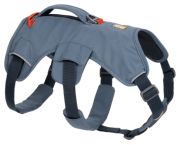
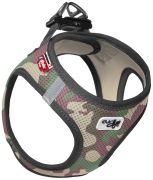
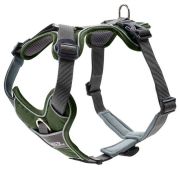
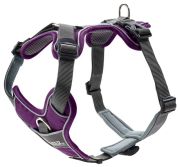
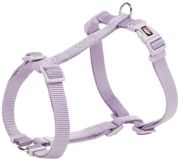
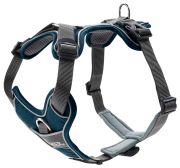
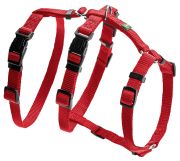
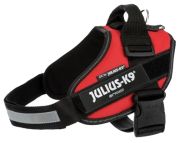
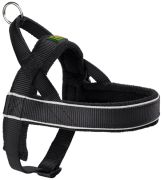
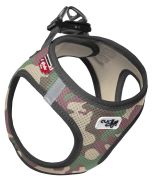
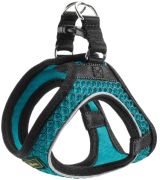
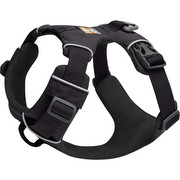
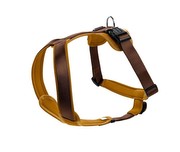
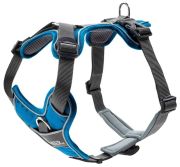
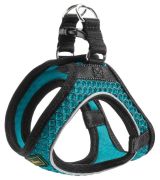
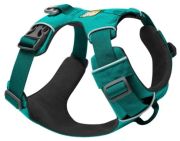
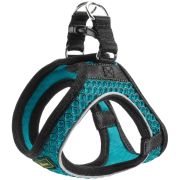
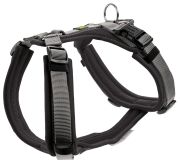
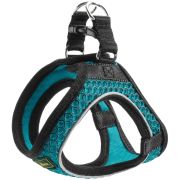
Dog harnesses are offered in various designs, which can be selected based on the dog's size, breed, and intended use. Y-harnesses are the classic and most widely used form, where the straps run in a Y-shape over the dog's chest and back. They distribute the pull evenly across the chest and are suitable for most dogs. H-harnesses consist of a chest strap and a belly strap, connected by a back strap, and provide particularly good support for strong and pull-heavy dogs. Norwegian harnesses enclose the chest area extensively and are particularly suitable for small dogs or those with sensitive tracheas, as they distribute pressure optimally. Special functional harnesses are designed for specific purposes or problems. Anti-pull harnesses have additional attachment points on the chest that turn the dog to the side when pulling on the lead, making pulling more difficult. Safety harnesses come with additional safety closures or reflectors for better visibility in the dark. For dogs with health issues, there are orthopedic harnesses with special padding or support. Training harnesses can be equipped with additional pockets for treats or waste bags.
How should a harness fit properly?
A well-fitting harness should be snug enough to prevent slipping but provide enough freedom of movement for the dog to move naturally. As a rule of thumb, there should be about one to two fingers' width between the harness and the dog's body (similar to collar). The harnesses are available in various sizes and have adjustable straps that allow for fitting to the dog. When selecting the right size, the chest circumference, neck circumference, and back length should be measured and taken into account.
Attachment
The attachment of the lead to the harness occurs at different points depending on the variant. The harnesses have an attachment ring on the back, which allows for good control during regular walks. Additional attachment points on the chest can be used for pulling issues or for specific training methods. Some models also offer side attachment points, which are particularly practical when cycling or jogging with the dog.
Material
The harnesses are made from robust nylon or polyester straps, which are particularly durable and easy to clean. For particularly active or strong dogs, there are reinforced models with additional seams or reinforcements at particularly stressed points. Leather harnesses offer a natural alternative and are characterised by their durability and adaptability, but require more care - especially when they get wet. For dogs with sensitive skin or allergies, there are harnesses made from hypoallergenic materials or with soft padding at the contact points.