
















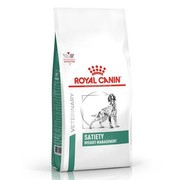

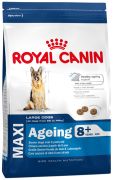
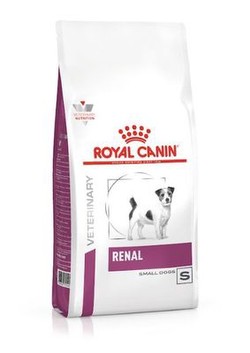

Dog food: Consumer tips

Dogs are naturally omnivores with a digestive system that can process both animal and plant-based food. Nutritional needs vary significantly depending on the dog's age, size, activity level, and health status. Proteins form the basis of a healthy dog diet and should ideally come from high-quality animal sources such as meat, fish, or poultry. They provide essential amino acids that dogs need for muscle building, cell repair, and a healthy immune system. Carbohydrates in the form of rice, potatoes, or grains serve as energy sources, while fats are important for the absorption of fat-soluble vitamins and for a shiny coat. A dog's digestive tract is shorter than that of humans, which is why the food must be more easily digestible. Fiber from vegetables and fruits supports gut health and regulates digestion. Sufficient vitamins and minerals are essential for various bodily functions - from bone formation to blood clotting to nerve function. A balanced diet should contain all these nutrients in the right proportions to avoid deficiencies or over-supply. The amount of food depends on body weight, age, and activity level and is adjusted accordingly to prevent overweight or underweight.
Dry, wet, or raw food - which is the right one for my dog?
Dry food is a practical and cost-effective form of dog nutrition. It has a long shelf life, can be easily portioned, and is easy to store. With a low moisture content of about 8-12%, the nutrients it contains are highly concentrated, meaning that smaller amounts are sufficient. The firm consistency can also positively contribute to dental cleaning and reduce tartar formation. However, dog owners must ensure that their pet drinks enough water, as dry food alone does not meet their fluid needs. Wet food contains significantly more moisture at 70-80% and is therefore suitable for dogs that drink little or have kidney problems. It is often tastier and is better accepted by picky dogs. The higher water content leads to a quicker feeling of fullness with fewer calories, which is beneficial for overweight dogs. Disadvantages include higher costs, more complicated storage after opening, and larger portion sizes. Raw food, also known as BARF (Biologically Appropriate Raw Food), is based on the natural diet of wolves and consists of raw meat, bones, organs, and vegetables. However, this feeding method requires extensive knowledge about nutrient needs and hygiene, as nutrient deficiencies or bacterial contamination could occur. Many dog owners combine different types of food to utilise the respective benefits while also providing the animal with enough variety.
What are the different age categories for dog food?
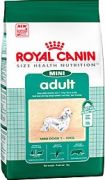
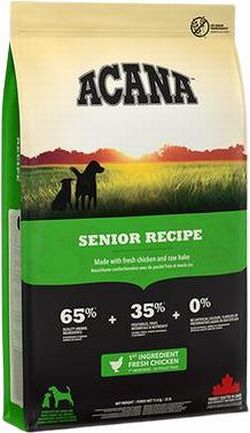
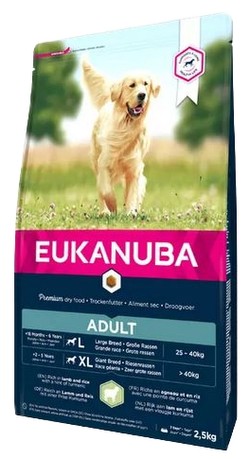
Dog food is generally divided into three main categories based on different life stages. Puppy food is specifically designed for growing dogs up to about 12 to 18 months of age. Puppies have an increased energy requirement and need more protein, fat, and calcium for the healthy development of bones, muscles, and organs. The food is portioned smaller and softer to accommodate their still-developing chewing apparatus. The energy content is usually 20-30% higher than that of adult food. Adult food is intended for fully grown dogs aged about one to seven years, depending on breed and size. It offers a balanced nutrient composition that should be adjusted to the dog's activity level. Active working dogs require more energy-dense food than couch potatoes. Senior food is tailored to the needs of older dogs from about seven years of age. As dogs age, their metabolism slows down, reducing their calorie needs while increasing the need for certain nutrients. Senior food contains fewer calories but more fibre for digestion, glucosamine for joint health, and antioxidants to support the immune system. In addition to age categories, there is special food for specific life circumstances such as pregnant and nursing females, who have increased nutritional needs.
What ingredients should good dog food contain?
The ingredient list provides insight into the quality of dog food. The first ingredient should be a source of meat, such as chicken, beef, or salmon. High-quality animal proteins should make up at least 20-25% of the food, even more for puppy food. Animal by-products are not inherently bad but should be specified further. Grains like rice, oats, or barley are good sources of carbohydrates, while corn and wheat can often trigger allergies. Vegetables and fruits provide important vitamins, minerals, and fibre. Carrots, sweet potatoes, and peas, for example, are valuable ingredients. Healthy fats from fish oil or flaxseed support skin and coat health as well as brain function. Artificial preservatives should be avoided as much as possible. Additionally, sugar, caramel, or other sweeteners have no place in dog food. Prebiotics and probiotics promote a healthy gut flora. The ingredient list is always ordered by weight, so the ingredients with the highest proportion are listed first.
What do the different quality levels and seals mean?
Dog food is classified into different quality categories that vary in composition, manufacturing processes, and price. Supermarket or economy food is the cheapest category but contains more fillers, lower-quality protein, and artificial additives. The high grain content leads to larger stool volumes and lower digestibility. Premium food offers a better composition with higher meat content and fewer fillers. Digestibility is better, allowing for smaller amounts of food to be sufficient. Super-premium food uses the highest quality human-grade ingredients and avoids artificial additives. This category has a high nutrient density and is often more economical than cheaper food. Various quality seals help with orientation: The seal from Stiftung Warentest evaluates food based on nutrient content, feeding recommendations, and labelling. Organic seals guarantee ecological production and the absence of synthetic additives. The FEDIAF seal (European Pet Food Industry Federation) confirms compliance with European feed standards. Veterinary recommendations are particularly important for diet food or special nutrition. Regionally produced food can mean shorter transport routes and fresher ingredients.
How do I recognise the right food for my dog?
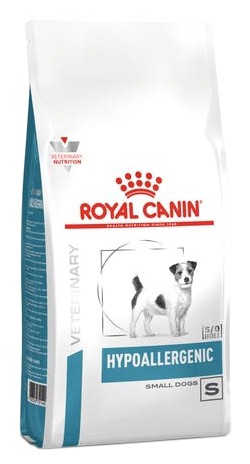
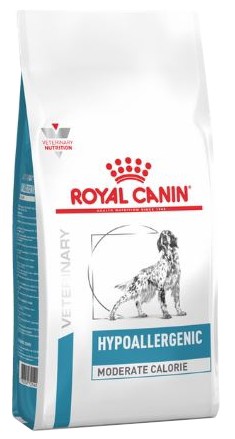
The size and breed of the dog are paramount when choosing food: Small dogs have a higher energy requirement per kilogram of body weight and need smaller kibble, while large breeds require special food for healthy bone growth. The activity level determines the calorie content - working dogs, sport dogs, or very active animals need more energy-dense food than calm and less active counterparts. Allergies and intolerances require hypoallergenic or grain-free food. The most common allergens are beef, chicken, wheat, corn, and soy. In case of digestive problems, a slow food transition over 7-10 days can help, where the new food is gradually mixed with the old. Health status and age may also require special food: kidney food for kidney diseases, diet food for overweight dogs, or senior food for older dogs. Acceptance is also important - the best food is of no use if the dog won't eat it. Therefore, many manufacturers offer smaller packages for testing. Regular check-ups at the vet help optimise nutrition and adjust it if necessary. A healthy dog with a shiny coat, normal stool, and stable weight indicates that the food is suitable.
FAQ
Should I give my dog wet or dry food?
Both types of food have advantages: Wet food is moister and often tastier for the dogs, while dry food is practical and good for dental care. A mix can provide optimal nutrition and variety.
How much and how often should I feed my dog?
The amount of food depends on weight, age, activity, and type of food; usually, two meals a day are ideal. The exact amount is stated on the packaging and can be coordinated with the vet if necessary.
What ingredients should good dog food contain?
High-quality dog food mainly contains meat or fish as a protein source, supported by healthy carbohydrates, vegetables, and essential vitamins. Fillers and artificial additives should be avoided.
Is there special food for sensitive dogs?
Yes, there is food for puppies, senior dogs, sensitive animals, or those with allergies and specific conditions. It is best to ask your vet for suitable products.
How can I feed a picky dog?
Try different types of food and offer varied, tasty meals. Gradual transitioning and adding small treats can increase acceptance.