



































Pet Supplies: Consumer Tips
Dogs and cats are particularly common as pets, and accordingly, the largest selection of products is available here. Of course, there are also appropriate items for exotic pets such as reptiles, amphibians, or fish for their proper care. Housing such as cages, aquariums, and terrariums, as well as food and water bowls, toys, grooming products, and transport boxes are among the best-selling items.
Food
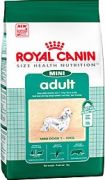
Various types of food are available for appropriate nutrition, tailored to the respective animals and containing all necessary nutrients. There is a very large selection of food, especially for dogs and cats. There are dry and wet food, snacks, and dietary supplements that should be selected based on the animal's age, size, and health condition. For animals with special dietary needs or allergies, there is a wide range of specialty food. High-quality ingredients should be preferred, and the composition is another point to consider – a high meat content for carnivores and the avoidance of artificial colours and preservatives are quality features. Species-specific dietary peculiarities are equally important. What is healthy for one species can be toxic for another. In case of uncertainty, it is always advisable to consult a veterinarian, especially in cases of chronic illnesses or intolerances. The amount of food should be adjusted to the individual energy needs of the animal to avoid obesity, which can lead to serious health problems. A change in diet should always be gradual - ideally over 7 to 10 days, to avoid digestive issues. Storing food in airtight containers also protects and extends its shelf life.
Care
Pets with fur can additionally be supported by various products such as brushes, combs, shampoos, and care products. They not only contribute to hygiene but also promote the health of the animals. Depending on the species and coat type, specific grooming tools are used to avoid skin irritations and achieve the best results. When it comes to pet care products , it is best to look for a pH-neutral and hypoallergenic formulation to prevent irritations in animals with sensitive skin. How often you should groom your pet varies by species – while long-haired breeds should ideally be brushed daily, short-haired animals often only require weekly grooming. In addition to coat care, claw care, dental hygiene, and ear cleaning are also important for well-being. If you are unsure about doing this yourself, there is the option of getting a professional grooming treatment at a pet groomer. Depending on the breed, this is advisable every 4-12 weeks. Grooming sessions should always be conducted with patience and rewards to create a positive experience for the animal. In cases of skin changes, excessive hair loss, or signs of parasites, a veterinarian should be consulted immediately.
Housing
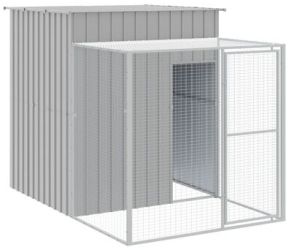
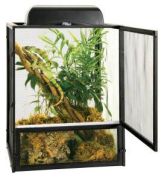
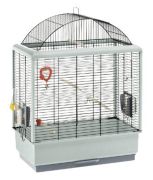
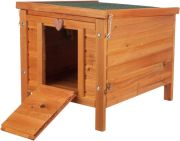
Dogs and cats often have free access to the home and only need their own sleeping area. In contrast, small animals, birds, fish, and reptiles must be housed in special enclosures (cages, aquariums, terrariums). These should provide enough space and replicate the animals' natural habitat as closely as possible. Legally mandated minimum sizes must be observed and adhered to, as too small enclosures inevitably lead to behavioural problems and health issues. Appropriate enrichment options such as climbing opportunities, hiding places, and toys must also be included. Substrate or bedding must be changed regularly to ensure optimal hygiene and prevent diseases. Additionally, the correct temperature and humidity, especially in terrariums for reptiles and amphibians, are vital and require appropriate equipment such as heat lamps, heating elements, or humidifiers to guarantee both. For outdoor housing, weather-protected space and adequate insulation are also important to provide the animals with a retreat area.
Transport
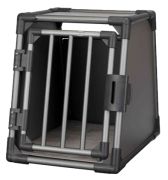
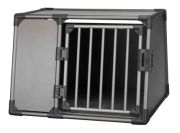
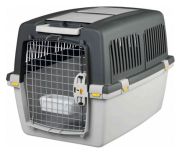
For transporting animals, there are various sizes of boxes, bags, or baskets that allow for safe and stress-free transport. They are particularly important for veterinary visits or travel and must be adapted to the respective animal. The animal should at least be able to stand, sit, and turn around comfortably, but not have too much freedom of movement, which could be dangerous during sudden braking. For air travel, specific IATA regulations apply, which should be checked before booking. Gradual acclimatisation to the transport container is crucial for stress-free travel, and providing food, treats, or toys in the box can help the animal get used to the transport better. In the car, the transport container must be securely fastened to prevent it from moving around in case of accidents or sudden braking.