


















Pet transport box: Consumer tips

A pet transport box is a specially designed container that serves the safe and stress-free transport of pets. Plastic boxes for small animals, carry bags, backpacks, and sturdy transport boxes for dogs are included. A good transport box ensures safety, comfort, and stress reduction during transport. When selecting, the type and size of the animal, the duration and frequency of transport, as well as the mode of transport and flight suitability should be considered.
Animals should be accustomed to the transport box as quickly as possible, but gradually, so that it is established as a retreat. Using treats, toys, and positive reinforcement makes the acclimatisation easier and is beneficial later when going to the vet. In everyday life, the transport box should also be accessible at all times to build positive associations.
Features of a pet transport box
The size of the transport box is determined by the size of the animal. In general, the animal should be able to stand upright, turn around, and lie down comfortably in the box. However, bigger is not always better, as a box that is too large can be dangerous during sudden braking manoeuvres or accidents, as the animal would be thrown around inside. If you have a young animal, you will inevitably need to buy a new box during the growth phase. Some manufacturers offer models with individually adjustable dividers, which is advantageous if you keep dogs of different sizes. Here, a larger box could also be suitable, where, for example, two dogs that get along can be accommodated. For air travel, the requirements of the airlines must be taken into account when selecting.
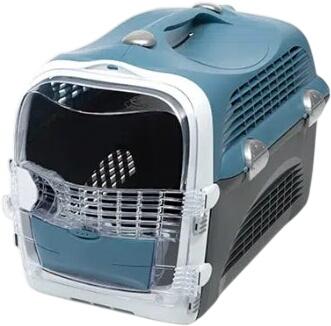
To ensure the transport box is safe, it should have sturdy locks that cannot be accidentally opened to prevent the animal from escaping. Double locks or additional securing options are suitable for particularly clever or strong animals. Ventilation must always be sufficient to ensure good air circulation without creating drafts. Grille openings or ventilation holes should be designed so that the animal cannot get its paws or snout caught or injure itself in any other way.
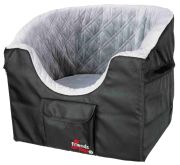
For stress-free transport, comfort in the box should not be lacking. Soft liners or cushions make the stay in the box more comfortable and provide warmth and cushioning against jolts. Removable and washable liners make cleaning easier. For longer journeys, water and food bowls are essential. They should be designed so that they cannot tip over or leak.
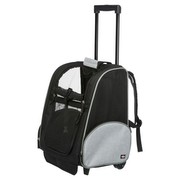
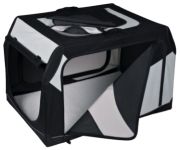
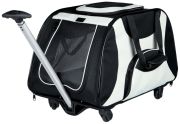
Special features in transport boxes include telescopic handles and wheels, which make transport easier for heavier animals. Foldable models save space when not in use and are ideal for occasional use. Some transport boxes have multiple openings that make it easier for animals to get in and out, or have removable tops, which are particularly practical during vet visits, as the animal can be examined without having to take it completely out of the box.
Material
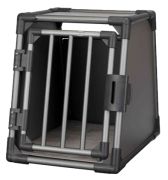
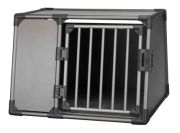
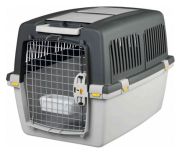
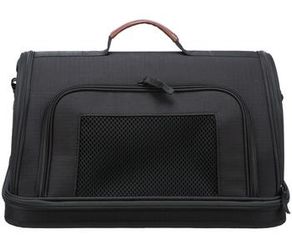
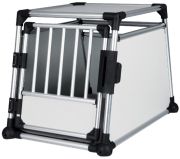
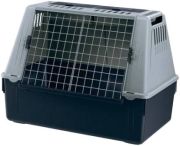
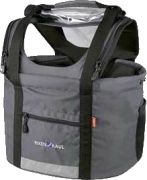
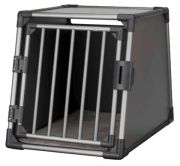
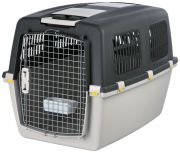
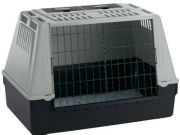
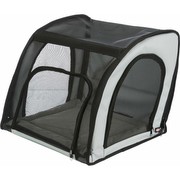
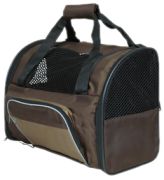
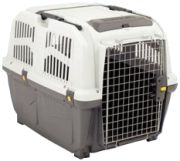
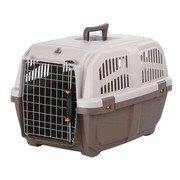
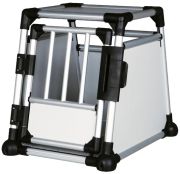
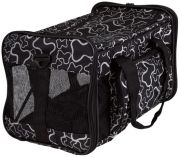
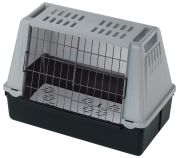
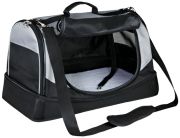
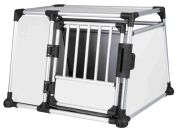
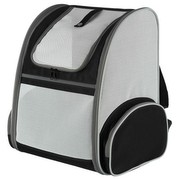
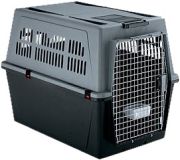
Plastic boxes are robust, easy to clean, and provide good protection against external influences. They are particularly suitable for cats, small dogs, and rodents and are available in various sizes. For longer journeys or transport by plane, they are often the best choice as they are stable and well-ventilated. Fabric carriers in the form of bags or backpacks offer more flexibility and are lighter to carry. They are well-suited for short distances and smaller animals and are often equipped with soft padding that provides additional comfort. For larger dogs, there are special transport boxes made of metal or reinforced plastic that can be securely fastened in the car and provide enough space for comfortable lying down.