






















Cat food: Consumer tips
Cats are strict carnivores, and their digestive system is specialised to optimally utilise animal proteins, while carbohydrate digestion is severely limited. The protein requirement of cats is significantly higher than that of dogs or humans. Essential amino acids such as taurine, which is found exclusively in animal tissue and is necessary for heart function, vision, and reproduction, are particularly important. A deficiency in taurine can lead to serious health issues such as cardiomyopathy or retinal degeneration. The metabolism of cats is designed for frequent, small meals. Hydration is especially important, as cats originally come from dry areas and have a low thirst reflex. They mainly meet their fluid needs through food, which is why wet food plays a crucial role. Cats' kidneys are very efficient but also susceptible to diseases if fluid intake is insufficient.
What type of food is optimal for cats?
Wet food is considered the most natural form of nutrition for cats, as it corresponds to the moisture content of prey animals at 70-80%. Kidney function is optimally supported and helps prevent urinary tract diseases, which are common in cats. The high moisture content leads to a better feeling of satiety with fewer calories, which is particularly beneficial for overweight cats. The soft consistency is especially suitable for older cats or those with dental issues. Disadvantages include higher costs and shorter shelf life after opening. Dry food is convenient, cost-effective, and has a long shelf life. It can be left out all day without spoiling. The hard consistency contributes to dental cleaning but does not replace professional dental care. The major disadvantage is the low moisture content, which means that cats that eat only dry food do not take in enough fluid. This can lead to kidney problems and urinary stones in the long term. Raw food (BARF) is based on natural nutrition but requires a lot of knowledge about nutrient needs and hygiene. Raw meat can contain parasites and bacteria that can be dangerous for cats. Experts recommend a combination of wet and dry food, with wet food making up the main portion.
What are the different age stages for cat food?
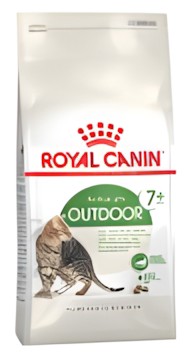
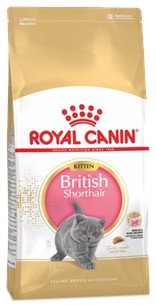
Kitten food is specially developed for kittens up to about 12 months of age. Kittens have an extremely high energy requirement as they grow quickly and are very active. The food contains more protein (at least 30%), fat, and calories, as well as important nutrients like DHA for brain development. Kittens should be fed up to four times a day, as their stomachs are still very small. Adult food is designed for fully grown cats aged one to about seven years. It offers a balanced nutrient composition and is available in various flavours. Indoor cats often require less energy-rich food than outdoor cats, as they move less. Senior food is tailored for older cats from about seven to eight years of age. With age, metabolism changes, and many cats develop age-related issues such as kidney disease, arthritis, or dental problems. Senior food is easier to digest, contains more fibre for digestion, and antioxidants to support the immune system. The calorie content is slightly reduced, as older cats are less active and more prone to weight gain.
What ingredients belong in high-quality cat food?
The ingredient list reveals a lot about the quality of cat food. The first ingredient should be a source of meat such as chicken, beef, salmon, or turkey. At least 70-80% of the food should consist of animal proteins, as cats, being carnivores, depend on this. Taurine is a vital additive that must be present in sufficient quantities. The carbohydrate content should be as low as possible, as cats can only utilise these poorly. Rice or potatoes are better tolerated than grains like wheat or corn. Healthy fats from fish oil provide important omega-3 fatty acids for skin, coat, and brain function. The ash content indicates the mineral content and should be below 3% in wet food and below 10% in dry food.
Are there different quality levels in cat food?
Cat food is divided into different quality categories, which differ significantly in composition, manufacturing processes, and price. Supermarket food is the cheapest category but contains many fillers, low-quality proteins, and artificial additives. The high grain content does not meet the natural needs of cats and can lead to digestive problems. Premium quality food offers a significantly better composition with a higher meat content and fewer fillers. Digestibility is better, and smaller portions are sufficient. This results in less waste being produced. Quality seals generally help with orientation and indicate a certain level of quality. The FEDIAF seal confirms compliance with European feed standards. Veterinary recommendations are particularly important for diet food used in diseases such as kidney failure or diabetes.
What is the right food for my cat?
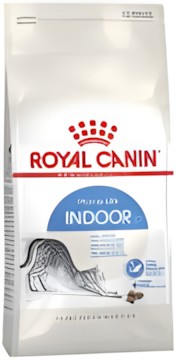
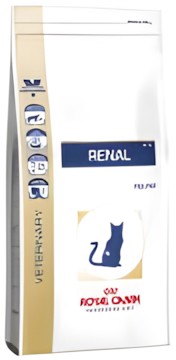
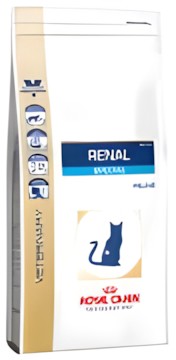
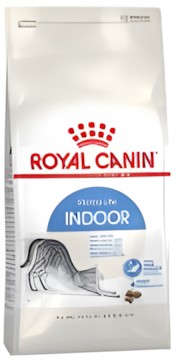
Age and life stage determine the appropriate food category, which is divided into kitten, adult, and senior. House and indoor cats generally have a lower calorie requirement than outdoor cats and should ideally receive special indoor food with adjusted energy content. Allergies and food intolerances require hypoallergenic food with limited ingredients. Common allergens include certain types of meat, grains, or artificial additives. For health issues, special foods are available and sensible. Kidney food for kidney diseases, urinary food for bladder problems, or dental food for oral hygiene. Acceptance is particularly important for cats, as they are very picky about their food choices. A gradual food transition over 7-10 days prevents digestive problems. The new food is gradually mixed with the familiar one. Fresh water must always be available, especially with dry feeding. Regular weight checks and veterinary visits help optimise nutrition. A healthy cat with a shiny coat, clear eyes, normal stool, and stable weight indicates that the food is suitable.
FAQ
Which cat food is the healthiest?
High-quality cat food contains a lot of animal protein, few carbohydrates, and important nutrients like taurine. Wet food supports fluid intake and is often more species-appropriate than pure dry food.
Does my cat need wet or dry food?
Both types of food have advantages: wet food provides hydration, dry food promotes dental care and is convenient. A mix of both is often ideal.
How much cat food should I give my cat?
The amount depends on age, weight, activity, and type of food. Manufacturer guidelines on the packaging and regular weight checks help with dosing.
Are there certain ingredients to avoid in cat food?
Food with many fillers like corn, soy, or sugar should be avoided. Artificial colourings and flavourings, as well as too many preservatives, are also not recommended.
Is cat food suitable for all life stages?
No, kittens, adult cats, and seniors have different needs. Special food types are tailored to each life stage.