


















Aquarium Care: Consumer tips
Monitor key water parameters
Water can look clear while still containing substances that are harmful to fish. Regular testing helps identify problems early, particularly in new aquariums, after adding fish, following medication, or if livestock appears stressed.
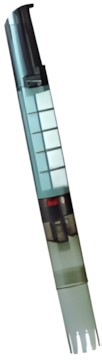
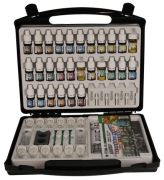
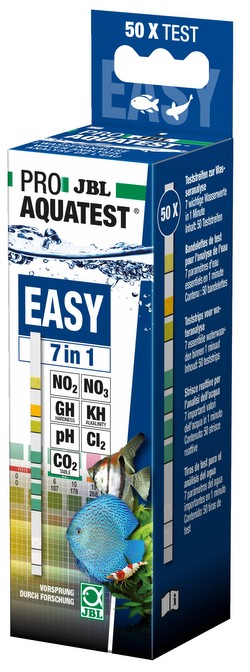
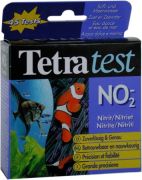
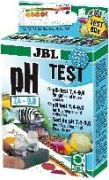
Modern liquid reagent kits are widely used for detailed results, while test strips provide a quick everyday check. Digital meters can be useful for parameters such as temperature and total dissolved solids, although they do not replace a full aquarium test kit.
For most freshwater tanks, useful parameters to monitor include:
- Ammonia: should be kept at zero in an established aquarium.
- Nitrite: should also be zero; a reading can indicate an issue with biological filtration.
- Nitrate: builds up over time and is controlled through water changes, planting and sensible feeding.
- pH: indicates whether the water is acidic, neutral or alkaline.
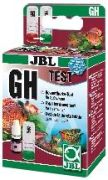
- GH (general hardness): measures dissolved minerals that affect many fish and plants.
- KH (carbonate hardness): helps stabilise pH.
- Temperature: should suit the species in the aquarium.
Use water treatments only where they are needed. Water conditioners make UK tap water safe for most freshwater aquariums by treating chlorine or chloramine and binding certain heavy metals. Other additives can adjust pH or hardness, but sudden changes can stress fish. It is usually safer to select livestock suited to your natural tap-water conditions than to repeatedly alter the water chemistry.
Cleaning the aquarium without disrupting it
Cleaning should remove waste while preserving the beneficial bacteria that support the nitrogen cycle. Avoid replacing all filter media or deep-cleaning the entire aquarium at the same time, as this can reduce the bacteria that process ammonia and nitrite.
An aquarium maintenance routine commonly includes cleaning the glass, removing uneaten food and plant debris, lightly vacuuming the substrate, and changing part of the water. The frequency and amount of maintenance depend on tank size, stocking level, feeding, filtration and plant growth.
Useful cleaning equipment includes:
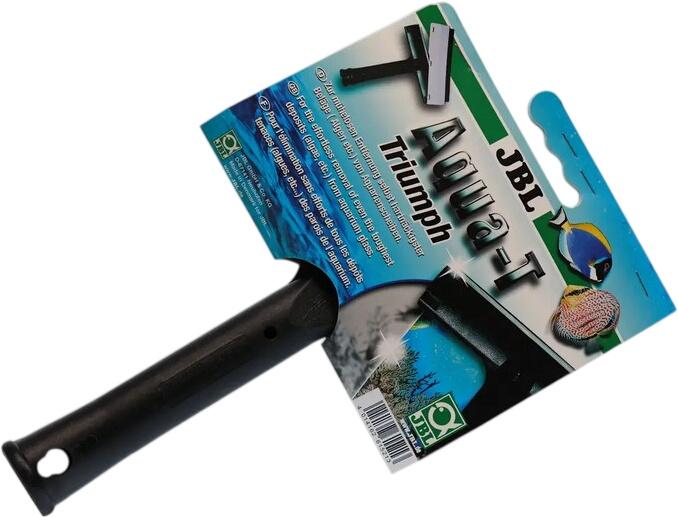
- Algae pads, scrapers and blades for cleaning the inside of aquarium glass.
- Magnetic glass cleaners for convenient routine cleaning, including on larger tanks.
- Gravel cleaners or substrate vacuums to lift detritus from gravel while removing water.
- Siphon hoses and water-change pumps for easier draining and refilling.
- Buckets or dedicated water containers that have never been used with household cleaning products.
- Filter brushes and pipe cleaners for maintaining external filter hoses and outlets.
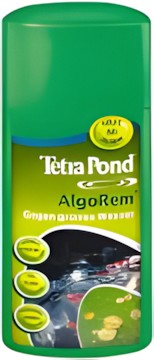
Algae is normal in an aquarium, but excessive growth can point to too much light, overfeeding, high nutrient levels or poor water circulation. Before relying on chemical algae treatments, address the underlying cause by reviewing lighting duration, feeding levels and water-change habits. Select algae-control products carefully, especially in tanks containing shrimp, snails or sensitive plants.
Water changes and tap-water treatment
Regular partial water changes dilute nitrate and replenish minerals. The appropriate schedule varies, but many freshwater aquariums benefit from a consistent weekly or fortnightly partial change. Test results and the needs of your fish should guide your routine.
Water-change kits usually include a hose, siphon and tap connector or adapters. Some systems connect directly to a mixer tap, while others are designed for use with buckets. Check compatibility with your tap before buying, as fittings can differ.
When adding fresh tap water, use a suitable aquarium water conditioner unless your water supplier confirms that no treatment is required for your setup. Match the temperature of the new water as closely as possible to the aquarium water, and add it slowly to avoid sudden changes in temperature or water chemistry.
Care for aquarium plants
Healthy live plants can improve the appearance of an aquarium, provide shelter and use nutrients that might otherwise contribute to algae growth. Their care needs depend on the species, lighting, substrate and whether the aquarium uses added carbon dioxide.
Liquid fertilisers are suitable for water-column feeders such as many stem plants and floating plants. Root tabs or fertiliser capsules are useful for heavy root-feeders, including Amazon swords and many cryptocorynes. Choose fertiliser carefully if you keep shrimp or other sensitive invertebrates, and avoid overdosing nutrients.
For planted aquariums, helpful tools and supplies include:
- Liquid fertiliser for regular nutrient dosing
- Root tabs for nutrient-hungry rooted plants
- Long aquascaping tweezers for planting and repositioning stems
- Curved or straight aquarium scissors for trimming
- Plant weights, clips or glue formulated for aquarium use
- A suitable light with an adjustable timer
- Optional CO₂ equipment for demanding high-light plant setups
Trim fast-growing plants regularly, remove damaged leaves and replant healthy cuttings where appropriate. A timer for the aquarium light helps maintain a consistent day-and-night cycle; excessive lighting is more likely to encourage algae than improve plant growth.