









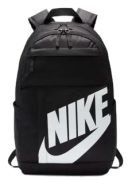
Backpack: Consumer tips

The capacity is usually indicated by manufacturers in litres. The size of the backpack should be based on the height of the wearer. The smaller and lighter a backpack is, the better.
A separate piece of luggage for every purpose
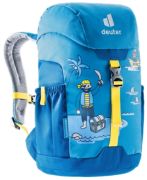
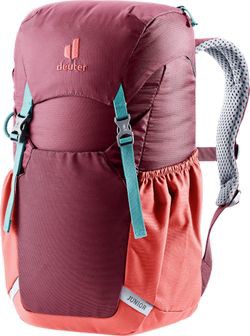
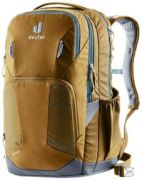
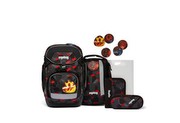
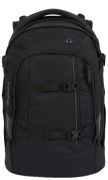
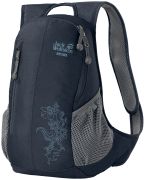
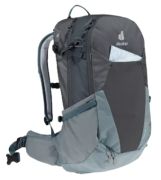
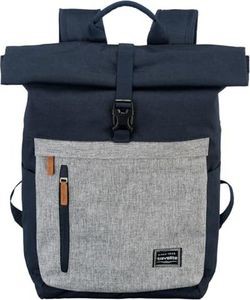
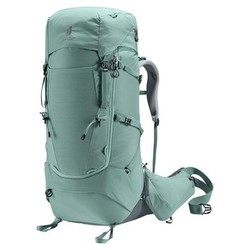
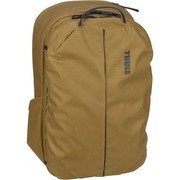
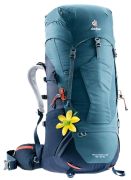
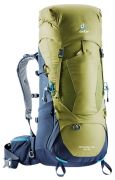
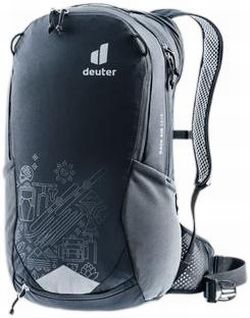
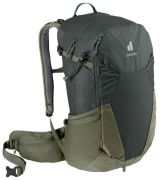
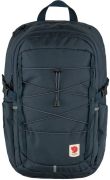
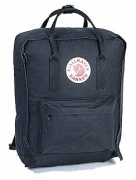
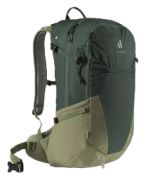
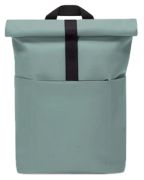
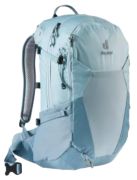
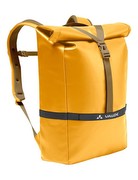
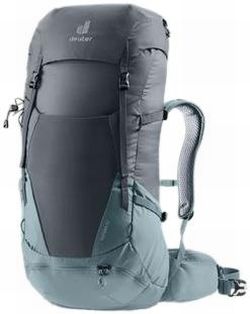
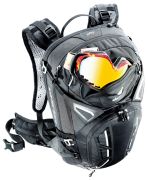
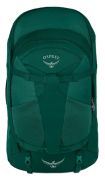
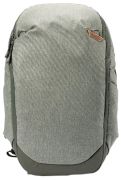
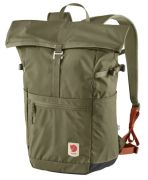
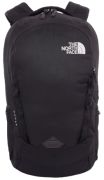
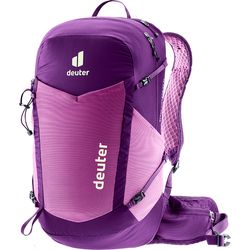
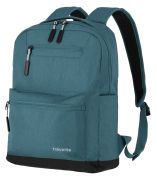
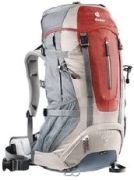
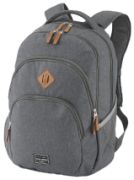
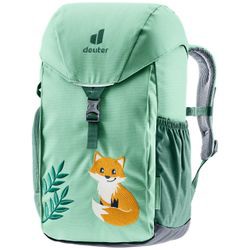
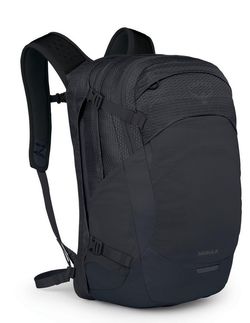
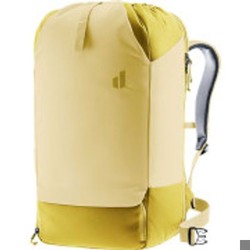
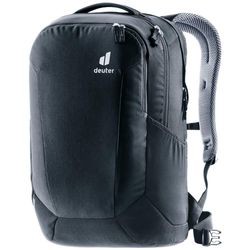
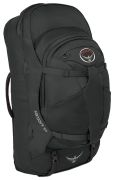
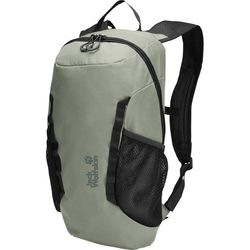
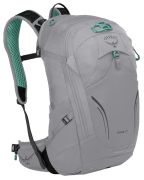
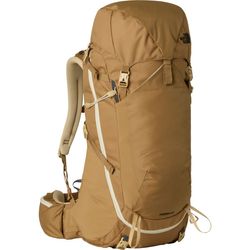
A backpack is not just a backpack! For everyday use, a city backpack is particularly suitable, which is a relatively small backpack where functionality is not as important as good appearance. It also serves as a classic work bag. Laptop or notebook backpacks are a special form of "work backpacks". Here, extra padding and inner pockets for laptop accessories such as cables, batteries, and input devices allow for the safe and good transport of laptops. A touring backpack has a capacity of about 30 to 45 litres, usually only one large compartment and a non-adjustable carrying system in length. It is designed only for smaller loads and does not optimally distribute the pack weight on the body. The better models have an internal frame and a padded hip belt. A trekking backpack is significantly larger (depending on body size 55 to 70 litres) and has an external frame or an internal frame. It should also be adjustable in length. Large travel backpacks have many side pockets, different levels, and usually side openings into the main compartment. For larger items like tents and sleeping mats, there are sometimes even extra loops and clips to attach them to the outside of the backpack. Sports backpacks often have a hose system with an integrated water reservoir, which allows for drinking while on the move or trekking. Furthermore, equipment can often be attached to this type of backpack. Special hiking backpacks usually have a volume of 30 to 120 litres. They provide air spaces between the wearer and the backpack (no sweating) and multifunctional fabrics that improve stability and drying properties. Children's backpacks are tailored to the needs of children in terms of colourful designs and especially size. However, normal city backpacks are often used by students for everyday school life. It should always be noted that children should generally not carry more than 10% of their body weight in a backpack/school bag.
What should you consider when buying?
If possible, backpacks should be tested before purchase. It is best to fill the backpack with weight, as this is the only way to determine whether the backpack allows for comfortable carrying. The right size of a backpack is the most important criterion. The following criteria should be considered: height, hip circumference, and shoulder width. In general, all larger backpacks have a wide, padded hip belt. This is also important, as the main load should be carried by the hip belt and not rest on the shoulders. If the hip belt is around the stomach, the backpack is definitely too small. However, there are also models with adjustable back lengths: this allows the backpack to be precisely adjusted to the body size. The quality of workmanship is also of great importance. Generally, the rule is: the more expensive a backpack, the better the workmanship and the quality of the materials. A decent backpack can be obtained from around 100 pounds, although there are also backpacks for 300 pounds and more. Backpacks with side loading are practical because they can be filled from both the top and the side. This way, heavy items can be positioned better where they should ideally be, namely as close to the back as possible, in the vertical centre. With a lid height adjustment, for example, sleeping mats or blankets can be clamped between the backpack and the lid, or - depending on the desire - the internal volume of the backpack can be increased. Separate outer pockets, lid compartments, and bottom pockets are also practical, where small items and documents (maps, passports, or IDs) can be stored for quick access. However, they should only be filled with light items. Additionally, good padding of the back panel and shoulder straps, a chest strap (ensures that the shoulder straps stay in position and do not slip), sturdy material, a reinforced bottom, solid zippers, sensible compression or attachment straps on the outside (reduce the volume so that the load is closer to the back), and a suitable rain cover (should preferably be removable so that it can be hung up to dry) are also important.