





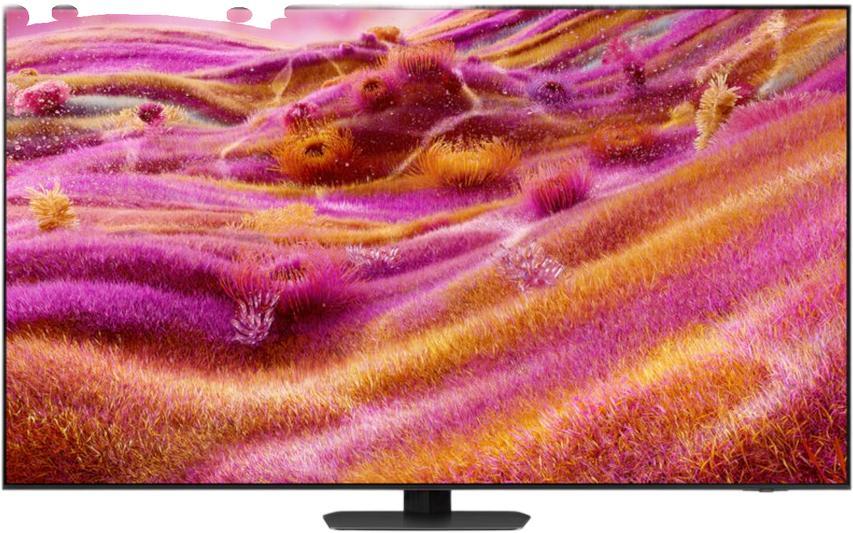
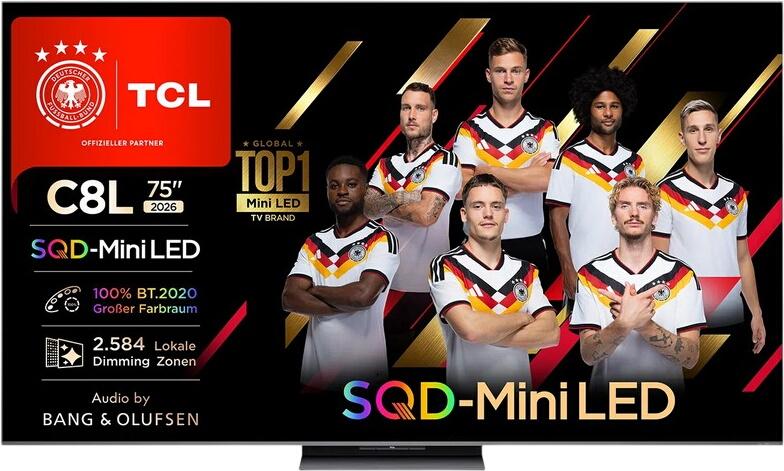
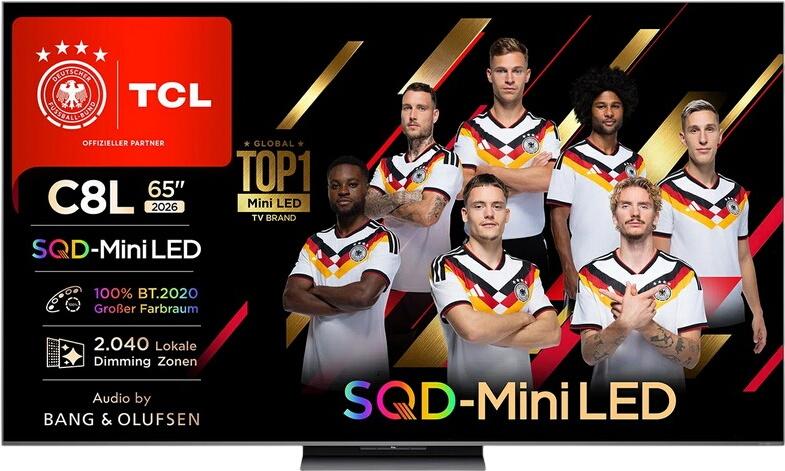
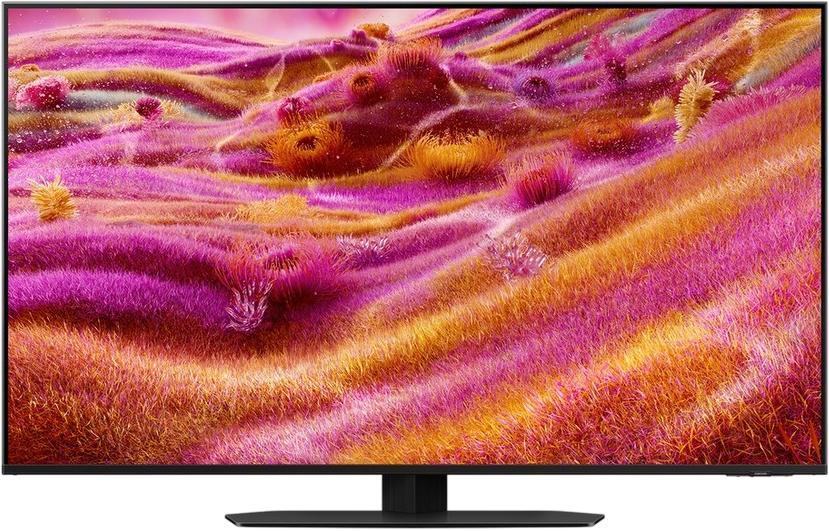

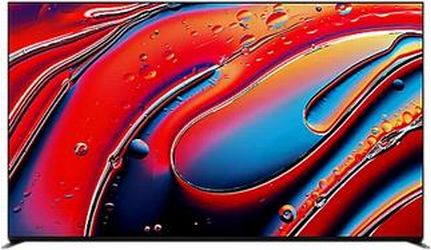
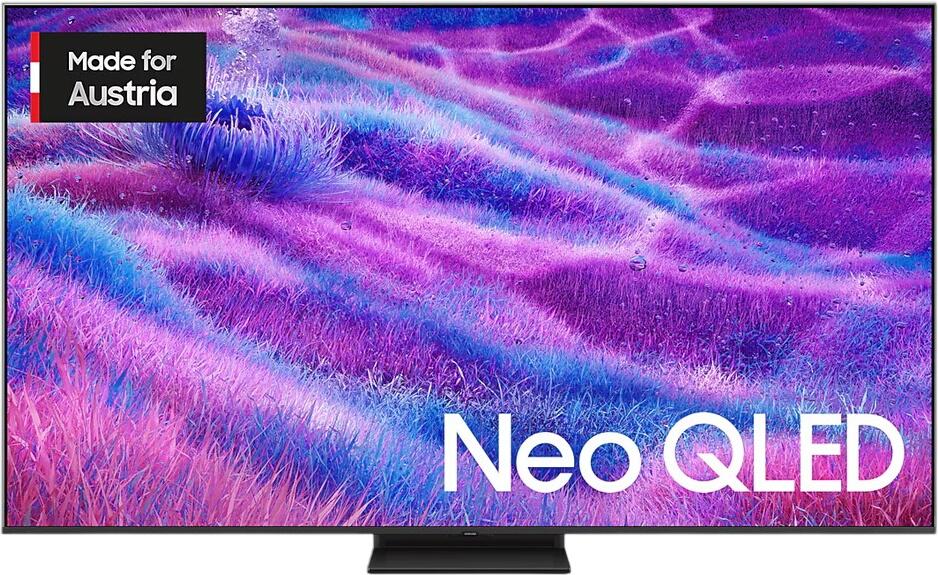
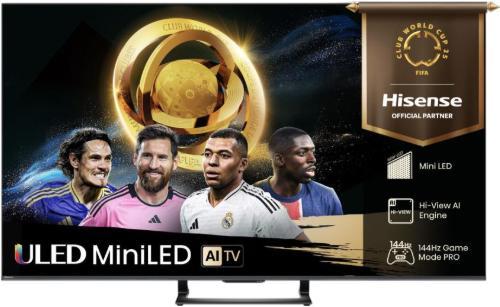
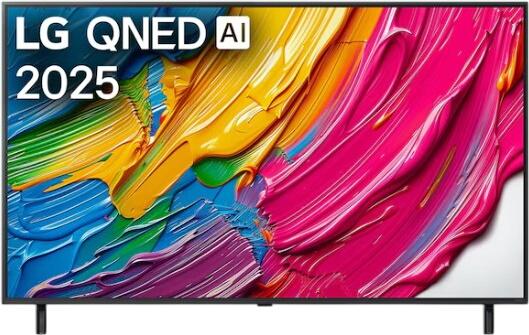
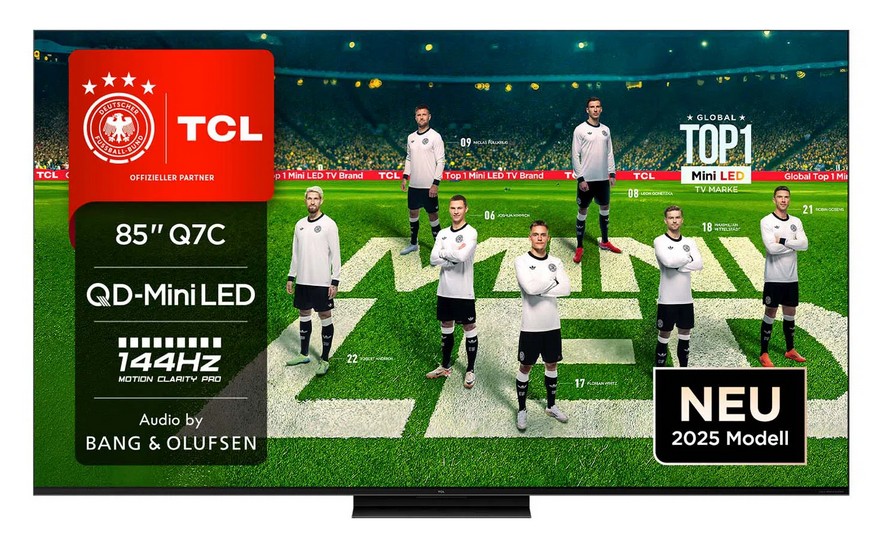
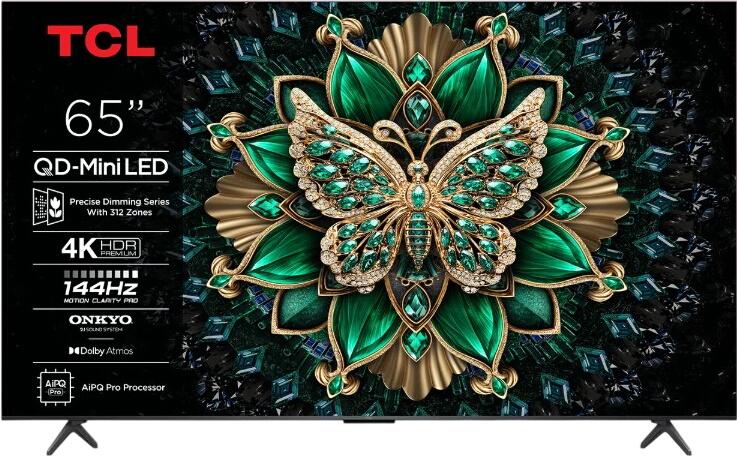
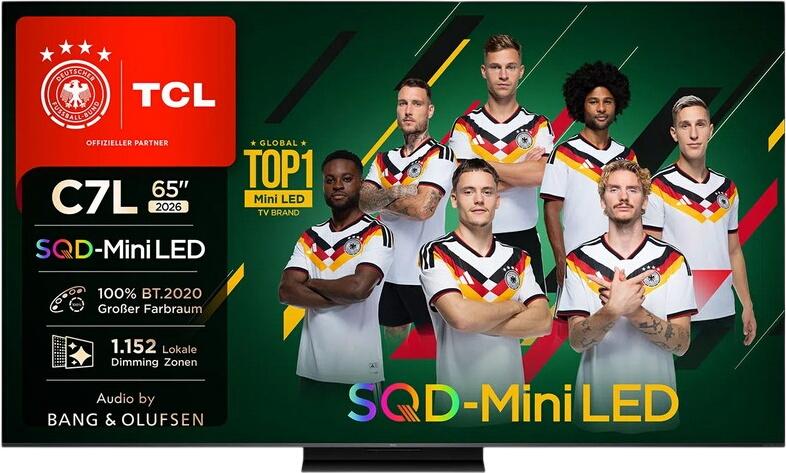
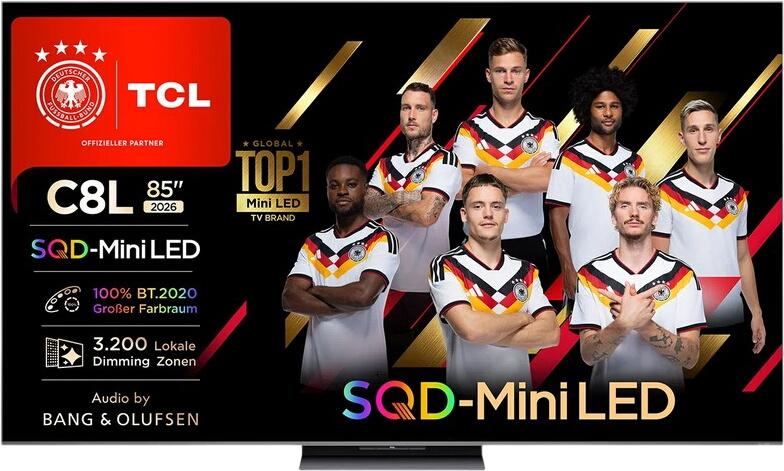
Newly Added Products
Mini-LED: Consumer tips

If you watch a lot of sport, stream HDR films, play on a current games console or want a very large screen for the living room, Mini-LED is well worth considering. The key is to look beyond brand marketing names and focus on the things that genuinely affect picture quality in day-to-day use.
What a Mini-LED TV actually is
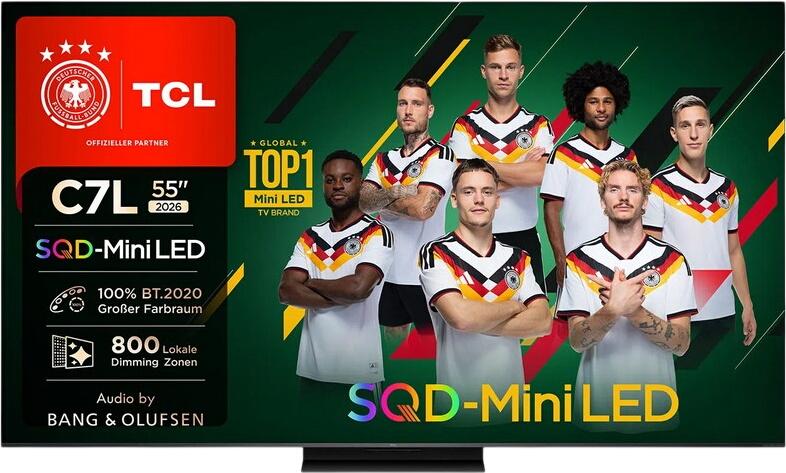
A Mini-LED TV is still an LCD television, but it uses a far more advanced backlight than a basic LED model. Instead of relying on a relatively small number of larger LEDs, Mini-LED sets use many more, much smaller backlights behind the panel. This allows the TV to control light more precisely across different parts of the image.
The practical benefits are clear:
- higher peak brightness
- better local dimming
- stronger HDR impact
- improved contrast compared with standard LED/LCD TVs
- better control of bright and dark areas on screen at the same time
That makes Mini-LED especially attractive for bright living rooms, daytime viewing and large-screen TVs where OLED can become expensive.
Why local dimming matters
The biggest advantage of Mini-LED is not simply that it uses smaller LEDs. It is that those LEDs can be arranged into far more dimming zones than a conventional LED TV. More zones usually means better control over where the screen is bright and where it is dark.
This helps with:
- deeper blacks in darker scenes
- stronger highlights in HDR films and series
- less obvious light bleed around bright objects
- a more punchy picture overall
That said, not every Mini-LED TV performs equally well. The number of dimming zones, the quality of the panel and the TV’s processing all make a difference. Two sets can both be labelled Mini-LED and still deliver noticeably different results.
Mini-LED vs OLED vs standard LED
The right TV depends on your room, budget and viewing habits.
Choose Mini-LED if you want:
- strong brightness for daytime viewing
- a powerful HDR image
- a large screen without jumping straight to OLED pricing
- good gaming features on selected models
- a lower risk of image retention concerns than OLED
Choose OLED if you want:
- the best black levels
- the most cinematic dark-room picture
- excellent pixel-level contrast
- wide viewing angles
Choose a standard LED/LCD TV if you want:
- the lowest prices
- a simple TV for casual viewing
- a smaller secondary-room set
OLED still has the edge for absolute black levels because each pixel lights itself independently. Mini-LED, however, remains a very strong compromise for buyers who want more brightness and strong overall picture quality, especially in mixed lighting conditions.
Is Mini-LED worth it?
For many shoppers, yes. Mini-LED is no longer confined to a tiny premium niche. It now appears across a wider spread of ranges and price points, from upper-mid-range models to genuinely premium large-screen TVs. Samsung’s line-up explicitly spans premium Neo QLED models as well as mainstream Mini-LED and UHD TVs, which reflects how broad the category has become.
What to look for when buying a Mini-LED TV
A Mini-LED badge alone is not enough. Focus on the following:
- 4K resolution: still the sweet spot for most buyers
- local dimming quality: one of the biggest factors in real-world performance
- HDR support: important for films, streaming and gaming
- HDMI 2.1: useful for PlayStation 5, Xbox Series X and higher-refresh gaming
- refresh rate: 120Hz is preferable for sport and gaming on suitable models
- smart TV platform: make sure it supports the apps you actually use
- sound quality: many slim TVs still benefit from a soundbar
- screen finish and room brightness: especially important in sunny rooms
A good fit for gamers?
Mini-LED can be an excellent choice for console gaming, particularly if you want a bright TV in a living room rather than a darker cinema-style setup. Many current models include features such as 4K support, high refresh rates and variable refresh rate on selected ranges.
For gaming, prioritise:
- HDMI 2.1 support
- 120Hz or better refresh support
- VRR compatibility
- low input lag
- enough HDMI ports for your console and other devices
Are 8K Mini-LED TVs worth considering?
8K Mini-LED TVs do exist, and both Samsung and other premium brands continue to offer them in select ranges. However, for most people, 4K remains the smarter buy. You will generally get better value by putting your budget into picture quality, dimming performance, gaming features or a larger screen rather than paying extra purely for 8K resolution.
Sound, software and support matter too
A TV is not just a panel. The overall ownership experience also depends on:
- menu speed
- app support
- software updates
- voice controls
- warranty cover
- after-sales support
Before buying, check the warranty terms carefully and make sure the exact model number matches the features you want. Model names and specifications can differ between regions and retailers, even within the same product family.
Advantages of Mini-LED TVs
- brighter than many standard LED/LCD TVs
- better contrast and HDR impact
- more precise local dimming
- well suited to bright rooms
- available in more sizes and price bands than OLED
- a strong option for gaming and sport on the right model
Potential drawbacks
- black levels still generally do not match the very best OLED TVs
- some blooming can still appear on weaker models
- viewing angles may be less impressive than OLED
- premium models can still be expensive
- built-in sound is often less impressive than the picture