








Newly Added Products
Television: Consumer tips

LED TV
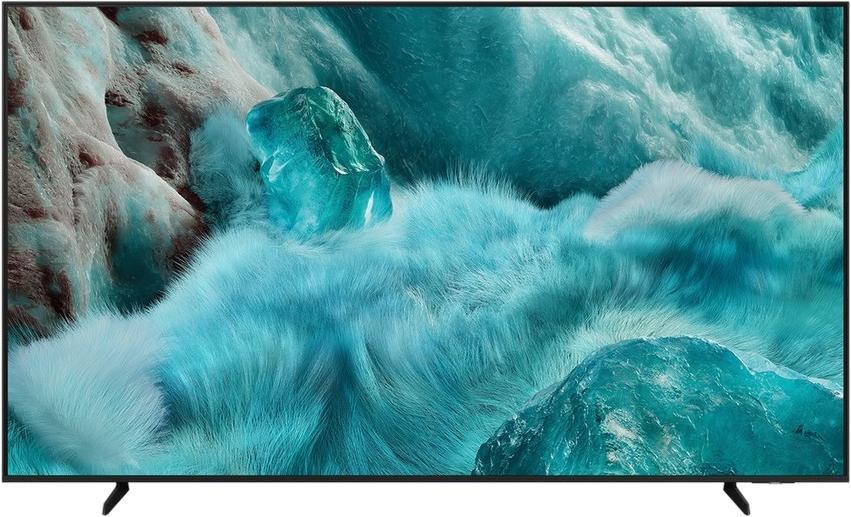
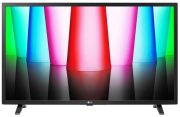
LED TVs still make up a large part of the market, especially at smaller screen sizes and lower price points. These sets use LCD panels lit by LED backlighting. They are widely available, generally affordable and often a sensible choice for kitchens, bedrooms and casual viewing. If you want a smaller TV, 24-inch to 43-inch models are still most commonly found in standard LED ranges.
Image quality varies significantly within LED TVs, however. Entry-level models can look perfectly fine for daytime viewing and Freeview, but contrast and black depth are usually weaker than on OLED or better Mini LED sets. For many households, a good mid-range LED TV is still excellent value, but it is worth paying attention to panel quality, brightness and HDR support rather than buying on size alone.
OLED TV
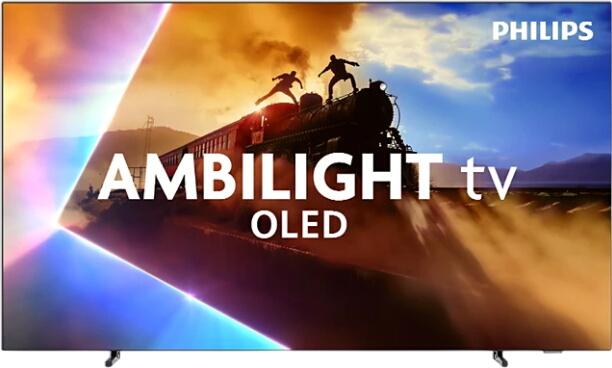
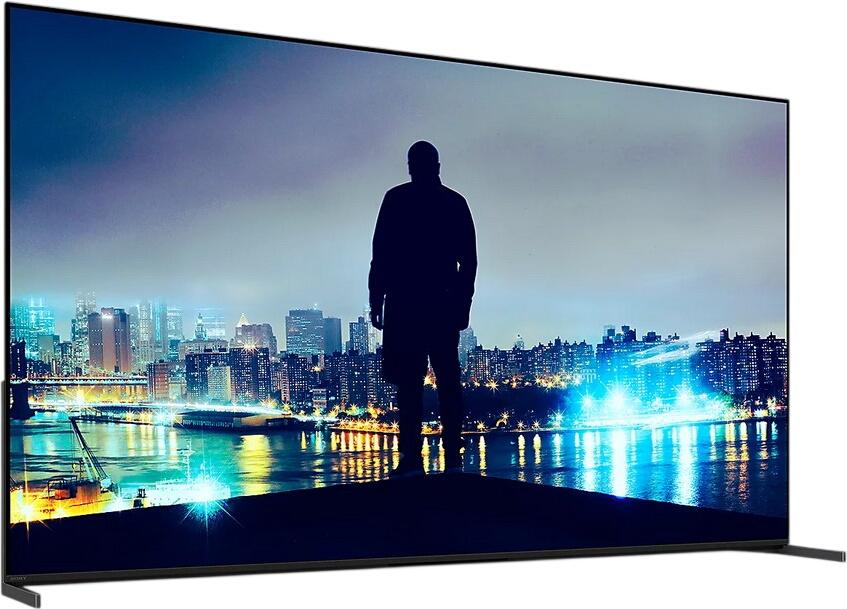
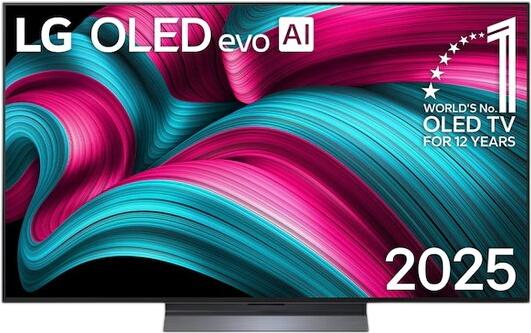
OLED remains the standout option for film lovers and anyone who values deep blacks, excellent contrast and strong viewing angles. Because each pixel lights itself, OLED TVs do not need a conventional backlight. This allows dark scenes to look far more convincing than on most standard LED sets, and it also helps premium OLED screens stay impressively slim.
OLED is particularly well suited to evening viewing, prestige dramas, cinema-style films and high-end gaming. It is a mainstream upgrade path for buyers who want better picture quality without stepping into ultra-flagship pricing. Bright-room performance has also improved, although the brightest Mini LED TVs can still have the edge in sunlit spaces.
QLED TV
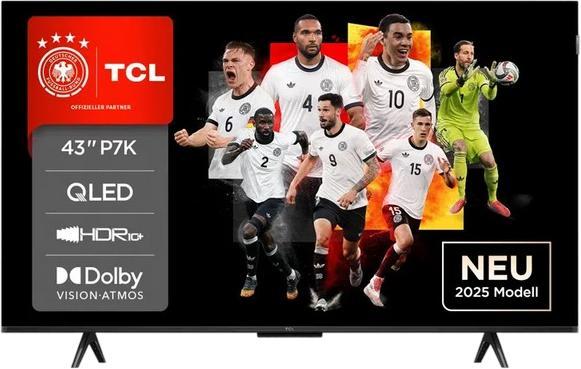
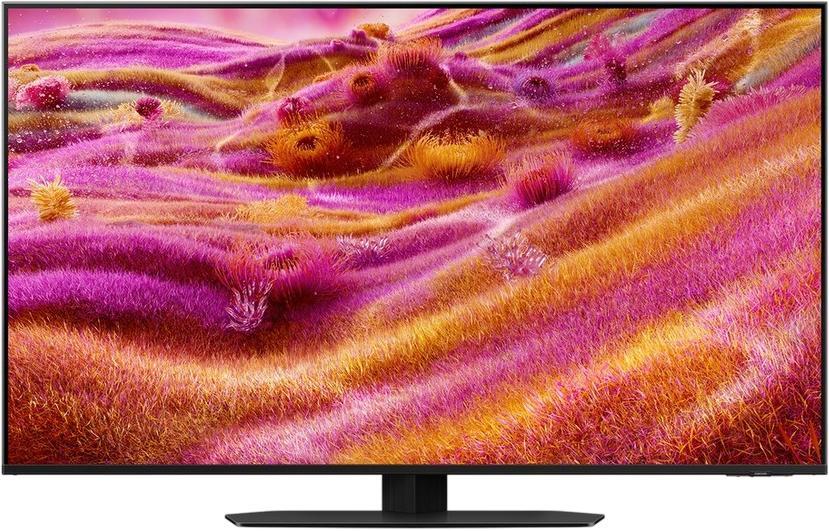
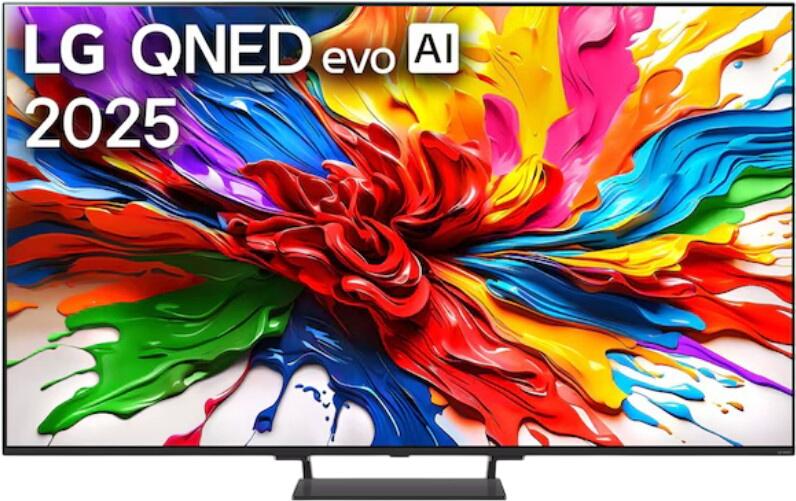
QLED is best understood as an LED TV enhanced with Quantum Dot technology. These sets are designed to deliver stronger brightness and richer colour volume than basic LED models. They are especially appealing if you watch a lot of HDR content, live sport, or daytime television in a bright room where extra luminance matters.
That said, “QLED” does not automatically mean top-tier performance. The results still depend heavily on the quality of the backlight system and local dimming. Better QLED models can look excellent, but cheaper ones may still struggle with black levels compared with OLED.
Mini LED TV
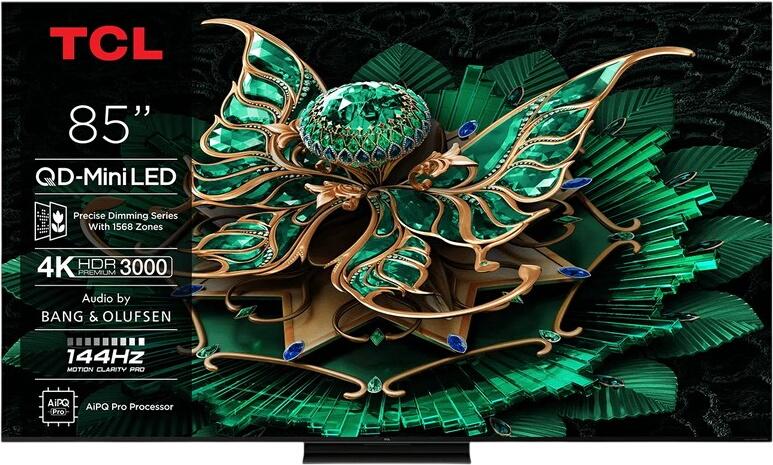
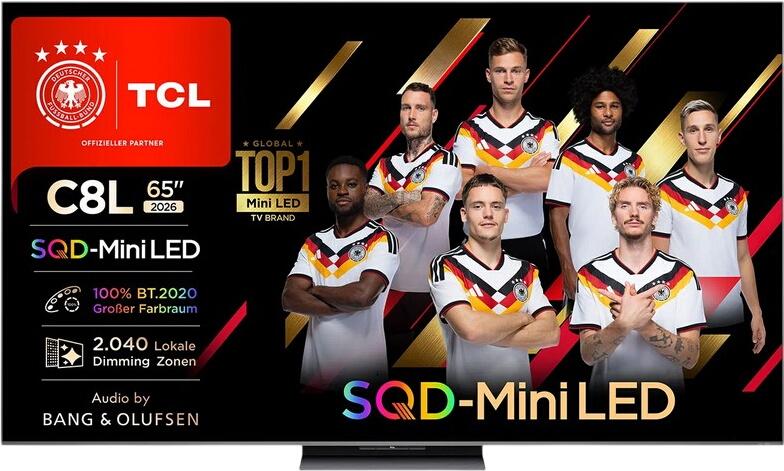
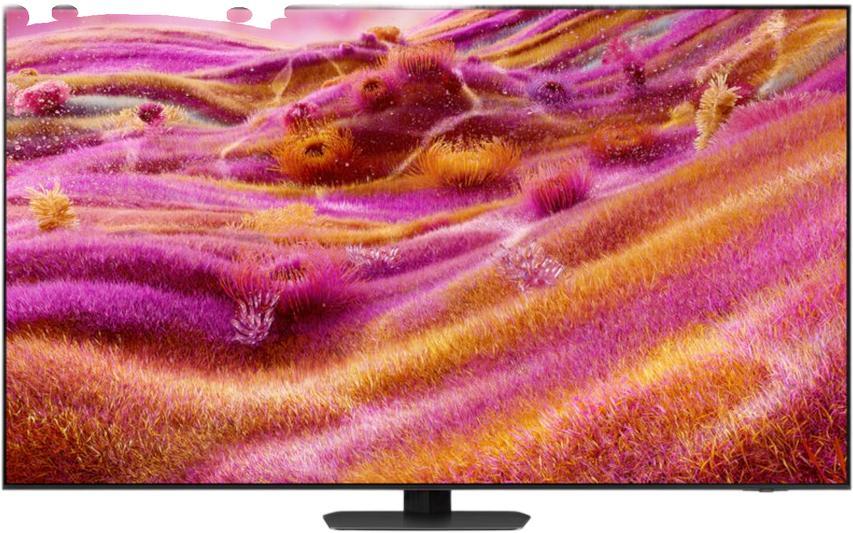
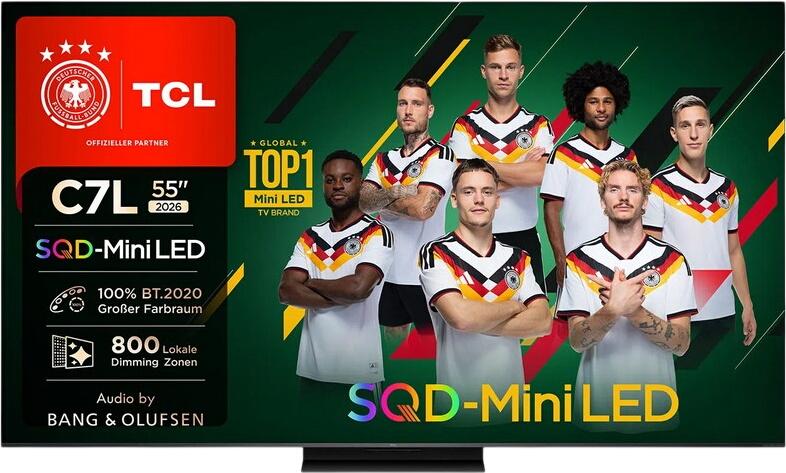
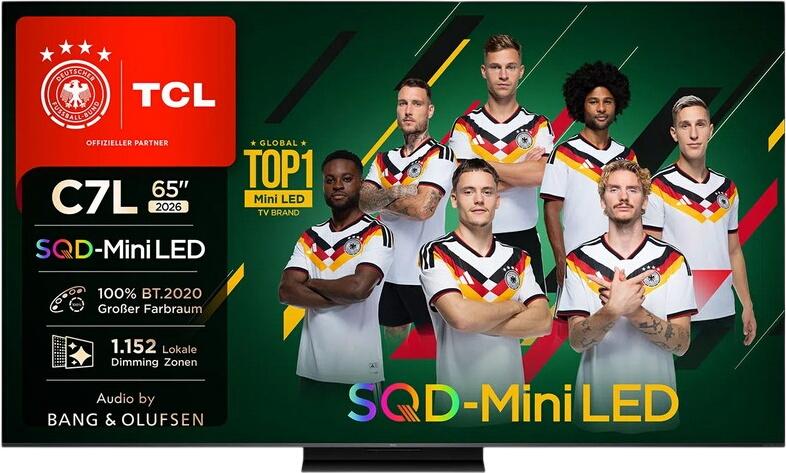
Mini LED has become one of the most important premium TV categories in the market. These sets use much smaller LEDs behind the panel, allowing more precise local dimming and significantly better contrast than conventional LED TVs. For buyers who want a very bright screen for HDR films, sport and gaming, but do not necessarily want OLED, Mini LED is often the strongest alternative.
Mini LED is especially attractive in larger screen sizes, where many shoppers want a bold picture for living room viewing. The best models combine high brightness with improved black control, making them very versatile for mixed use. In practical buying terms, Mini LED is now less of a specialist format and more of a serious mainstream premium option.
Smart TV features that matter
Nearly every TV sold in the UK is now a smart TV, but the quality of the smart platform still matters. A good TV should offer quick access to the services people here actually use, including BBC iPlayer, ITVX, Channel 4, My5, Disney+, Netflix, Prime Video, Apple TV and similar major apps. UK buyers should also pay attention to how well the TV handles free-to-air viewing and catch-up integration, not just international streaming apps.
For broadcast and free streaming, the most useful UK-specific platforms are Freeview Play and Freely. Freeview says Freeview Play brings live TV and on-demand players together in one place, including BBC iPlayer, ITVX, All 4, 5 and UKTV Play. Freely, run by Everyone TV, is positioned as a way to stream live and on-demand TV for free on compatible smart TVs, without needing a dish or aerial.
If live TV still matters to you, check for:
- Freeview Play support
- Freely compatibility on supported newer smart TVs
- Freesat if you prefer satellite reception
- DVB-T2 support for terrestrial HD broadcasts
- Good app support for BBC iPlayer, ITVX, Channel 4 and My5
- Reliable Wi‑Fi and, ideally, an Ethernet port for more stable streaming
Screen mirroring and casting are still useful, but an old-style web browser is no longer a major selling point for most buyers. App support, software responsiveness and update reliability matter much more.
4K or 8K?
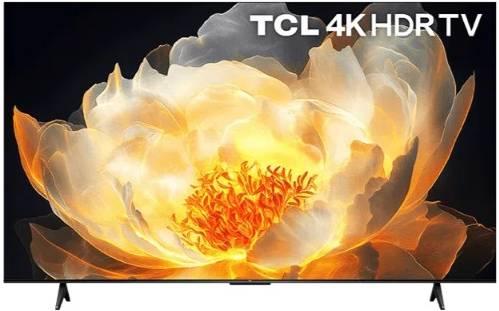
4K remains the clear sweet spot. It is standard across the mainstream market, widely supported by streaming services, and available across everything from affordable LED sets to premium OLED and Mini LED models. The more important question now is not whether to buy 4K, but whether the set also offers the picture quality extras that make 4K worthwhile, such as strong HDR performance, good processing and a 120Hz panel for gaming or sport.
8K remains a niche category. You can still buy 8K TVs, but they are largely premium products aimed at buyers who want very large screens and flagship specifications. Native 8K content remains limited, and for most people the extra spend is better put towards a better 4K TV with stronger contrast, better HDR brightness and more complete gaming features.
If you use a current-generation console such as a PlayStation 5 or Xbox Series X, the more meaningful features are usually 4K/120Hz, VRR and ALLM, not 8K support. Sony’s own support pages show that HDMI 2.1-era features such as 4K120, eARC, VRR and ALLM are now standard points of comparison across compatible TV models.
HDR: what actually matters
HDR can make a bigger visible difference than raw resolution, especially on a good-quality screen. The key formats you will see are HDR10, HLG, HDR10+ and Dolby Vision. HDR10 is the baseline format found on most TVs, while Dolby Vision and HDR10+ use dynamic metadata to adjust tone mapping scene by scene. HLG is particularly relevant in the UK because it is part of the broadcast HDR landscape and has been developed with BBC involvement.
When comparing HDR, do not just look for the logo. HDR quality depends heavily on the panel’s actual brightness, black levels and processing. A TV can support several HDR formats on paper and still deliver only average HDR in practice if the screen is not bright enough. Strong HDR performance is one of the clearest reasons to move up from entry-level sets.
Sound and connectivity
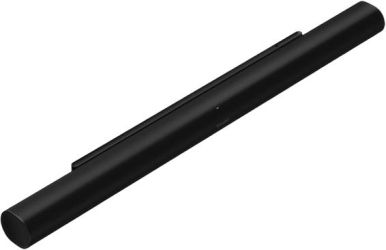
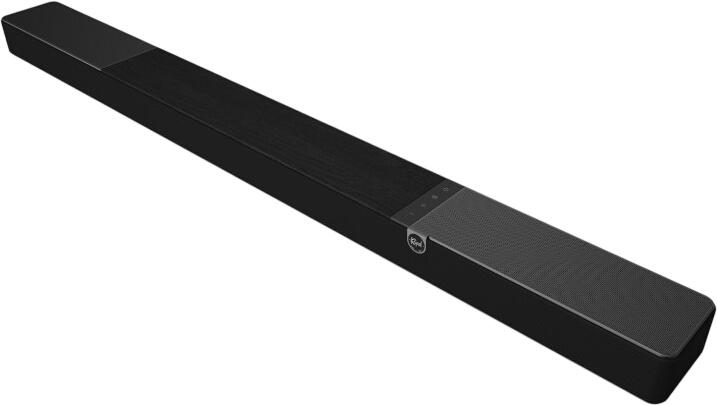
Built-in TV sound has improved, but slim televisions still struggle to match the scale of the picture with equally full audio. For most buyers, the best upgrade is a soundbar, and for larger rooms a soundbar with wireless subwoofer or a fuller surround setup can make a major difference.
Modern TV buying is less about legacy sound format name-checking and more about ensuring the set has the right connectivity. In particular, look for:
- HDMI 2.1 if you want advanced gaming features
- eARC for simpler, higher-quality audio connection to a soundbar or AV receiver
- VRR for smoother console gaming
- ALLM so the TV switches into low-latency game mode automatically
- Enough HDMI inputs for a soundbar, console, streaming box and disc player
If you are building a home cinema setup, eARC support is especially useful because it simplifies connection between the TV and an external audio system. Sony’s support documentation lists eARC alongside 4K120, VRR and ALLM as core HDMI 2.1-related features on compatible models.
What should buyers focus on?
If you want a TV that still feels current a few years from now, it makes sense to prioritise overall picture quality and useful features rather than chasing the highest resolution badge. For most people, that means choosing a good 4K set with proper HDR support, a reliable smart platform, UK catch-up services and, if gaming matters, HDMI 2.1 features.
A simple buying shortlist looks like this:
- LED for affordability and smaller room use
- QLED for brighter everyday viewing
- Mini LED for premium brightness and strong HDR impact
- OLED for the best blacks, contrast and film performance
- 4K as the default choice for almost everyone
- 8K only if you are shopping at the high end and know why you want it