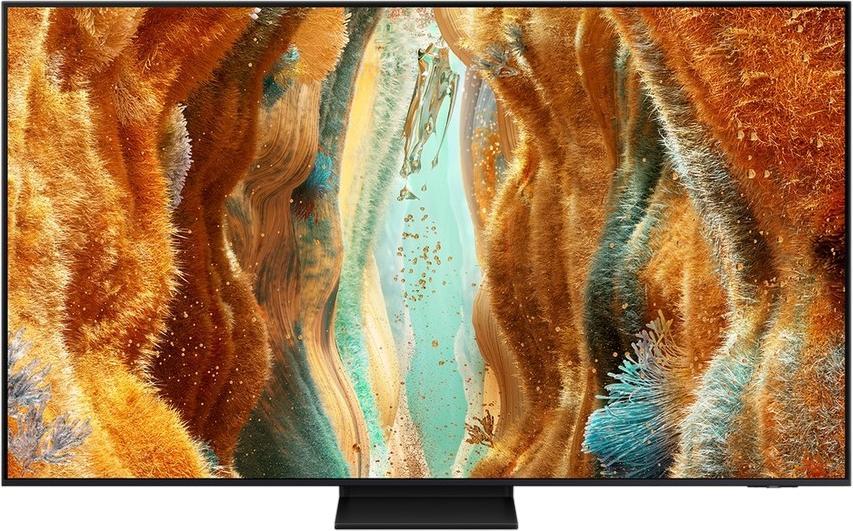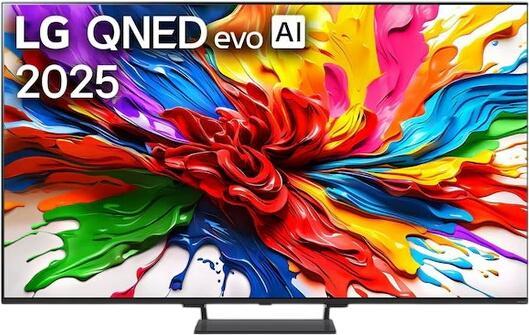






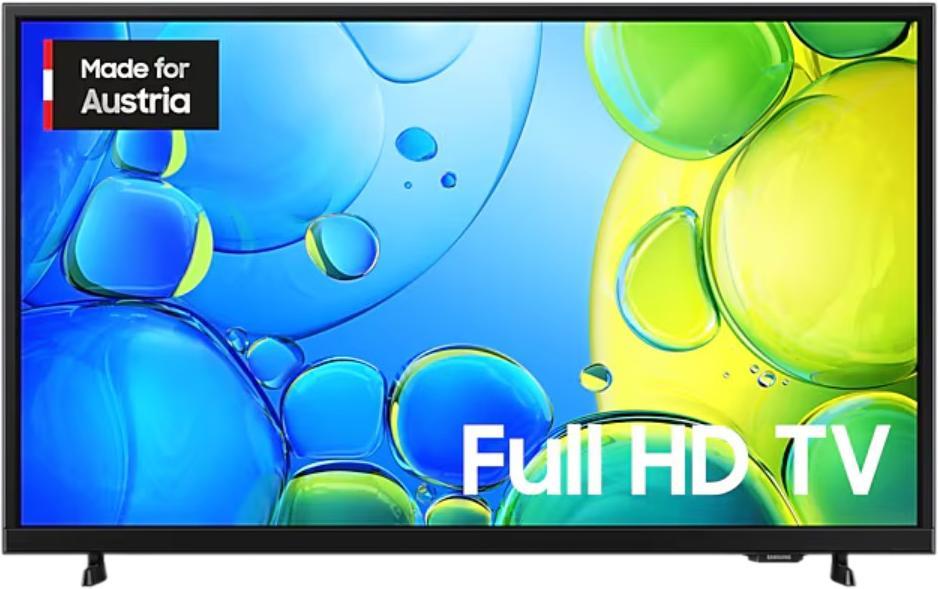
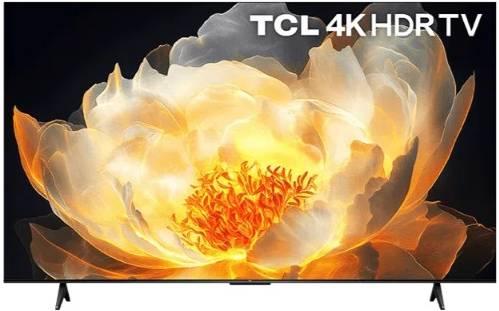

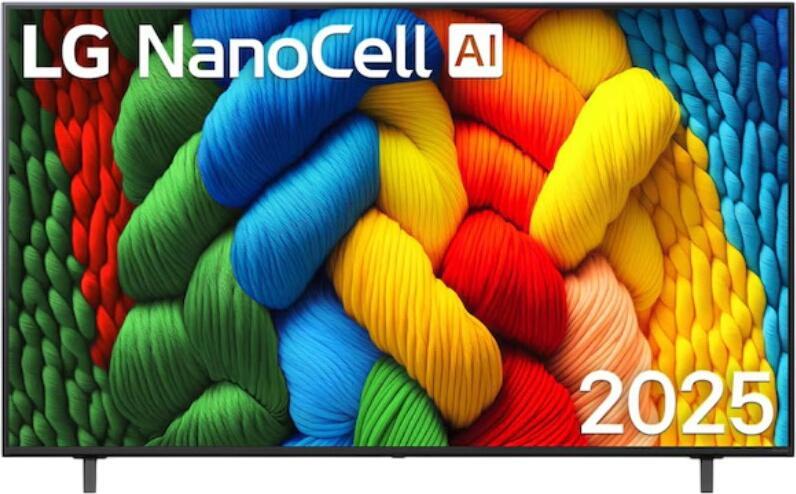
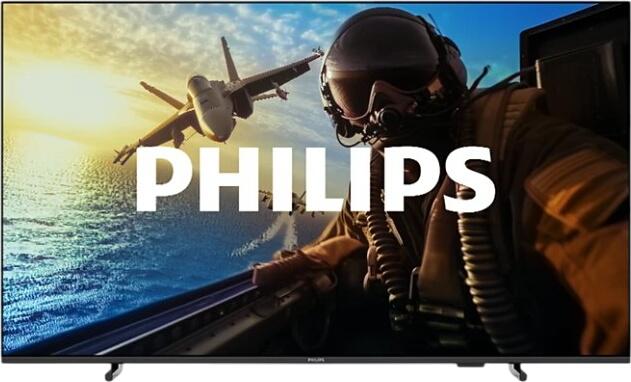
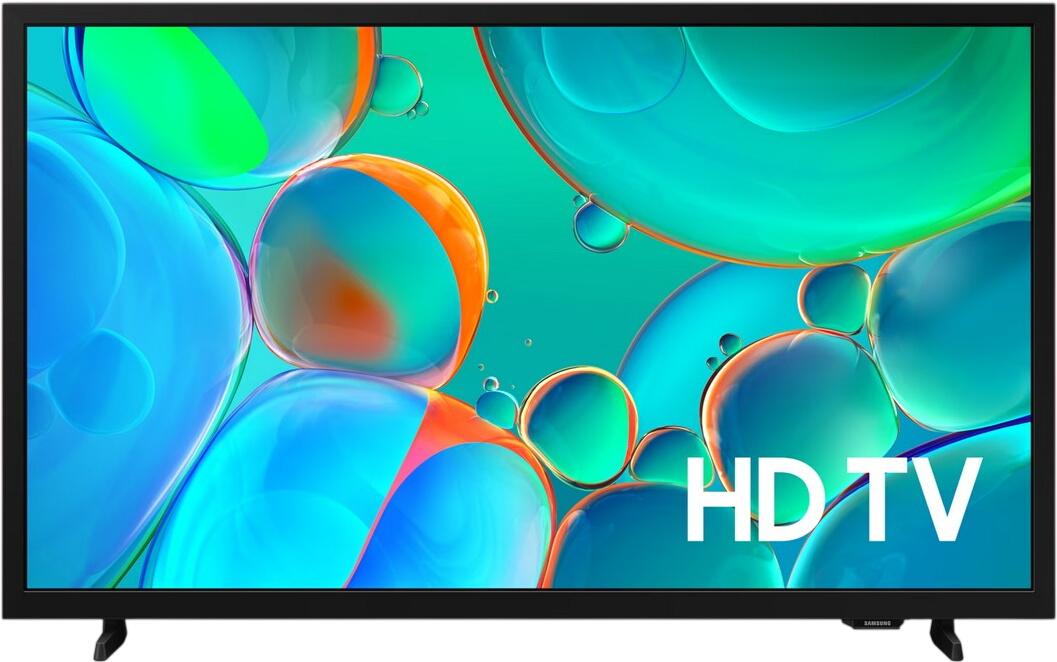
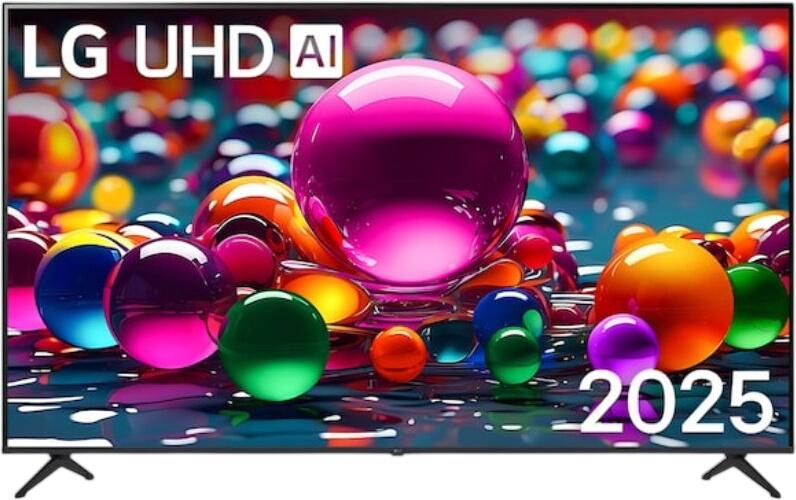
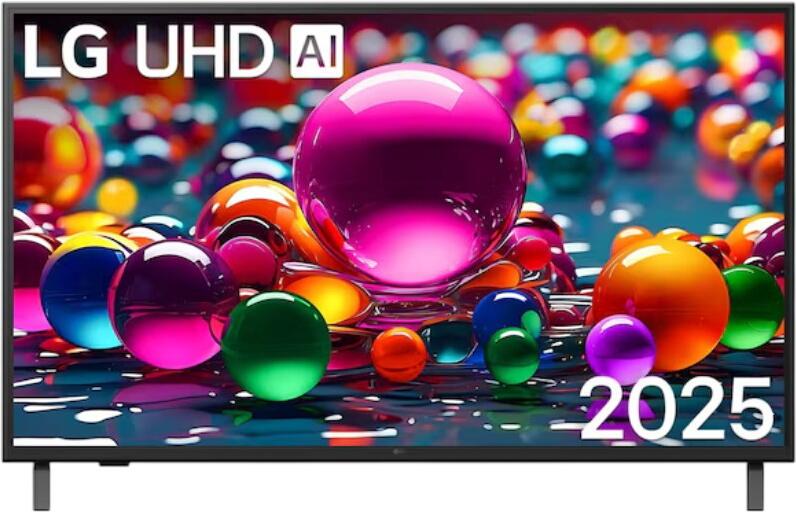
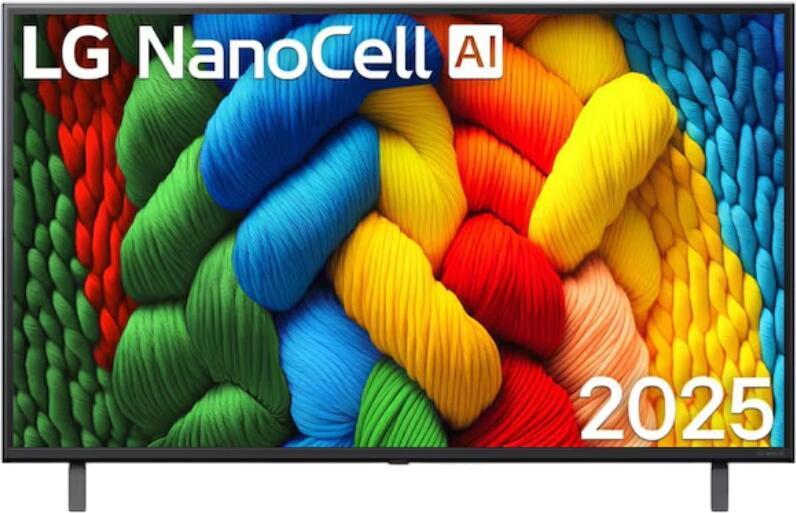
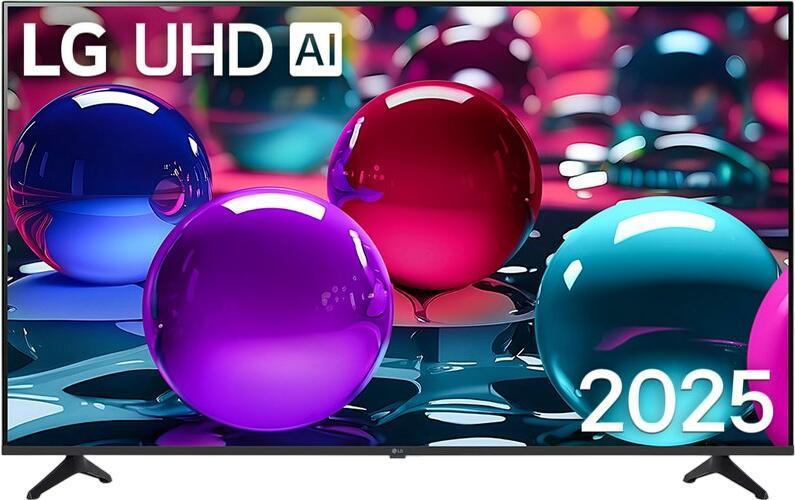
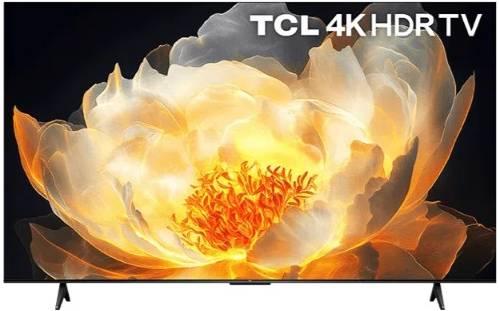




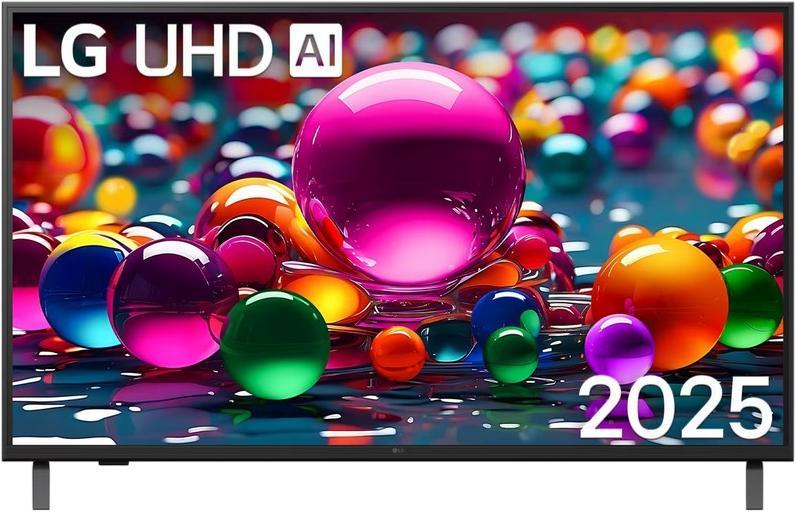
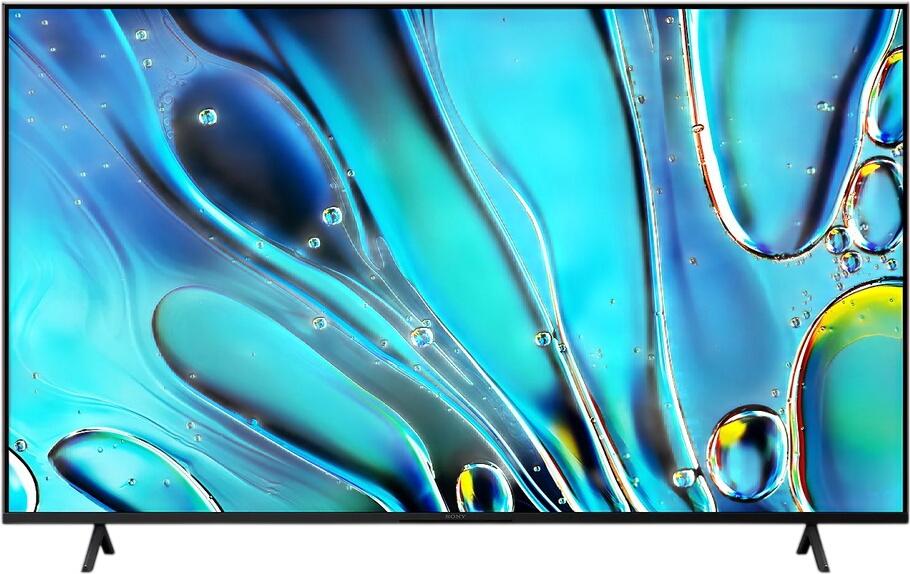
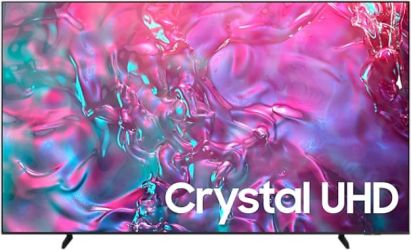
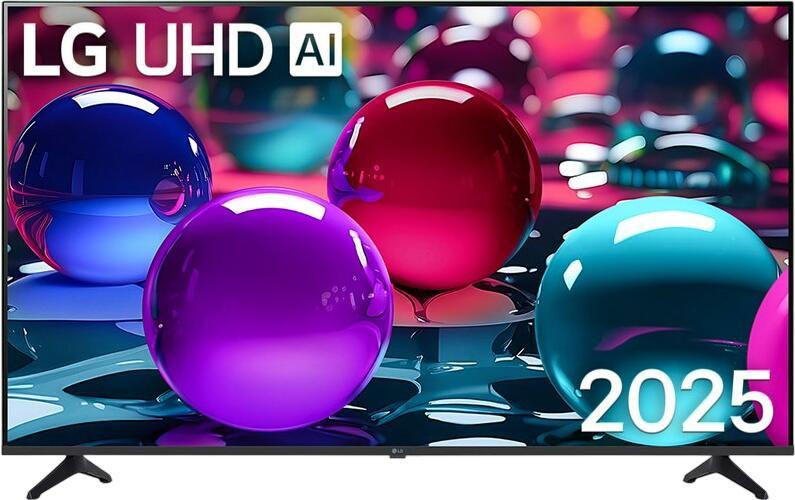
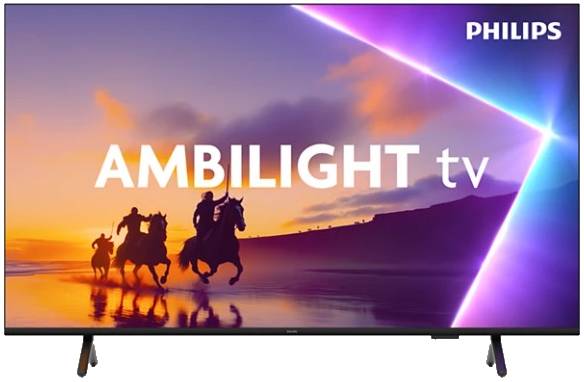
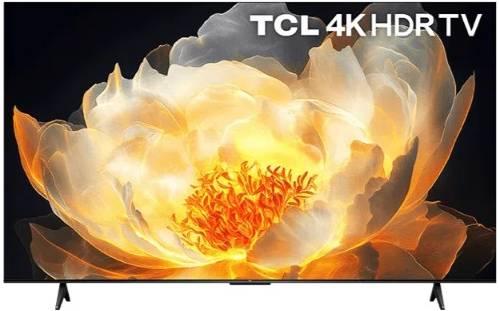
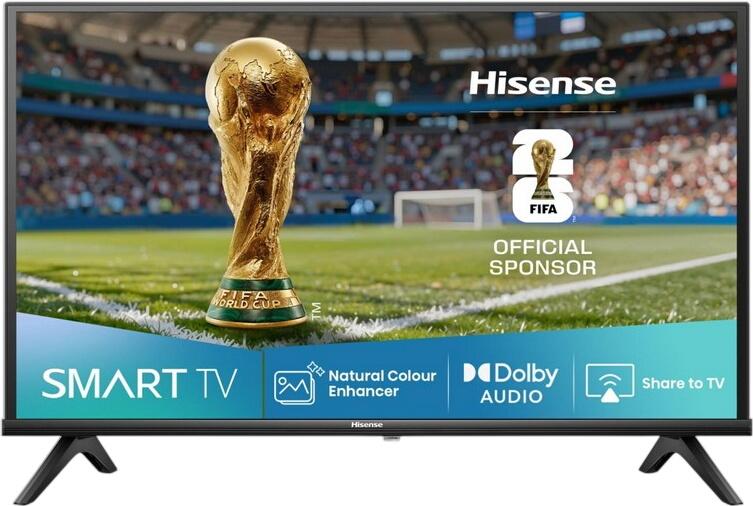
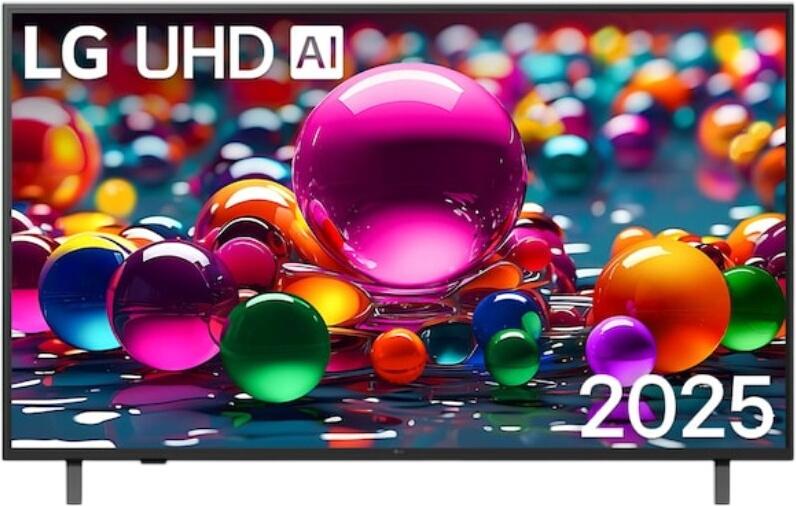
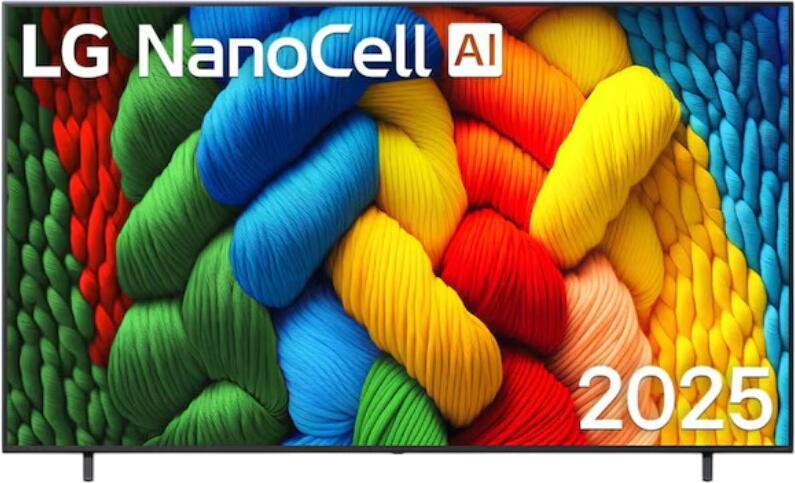
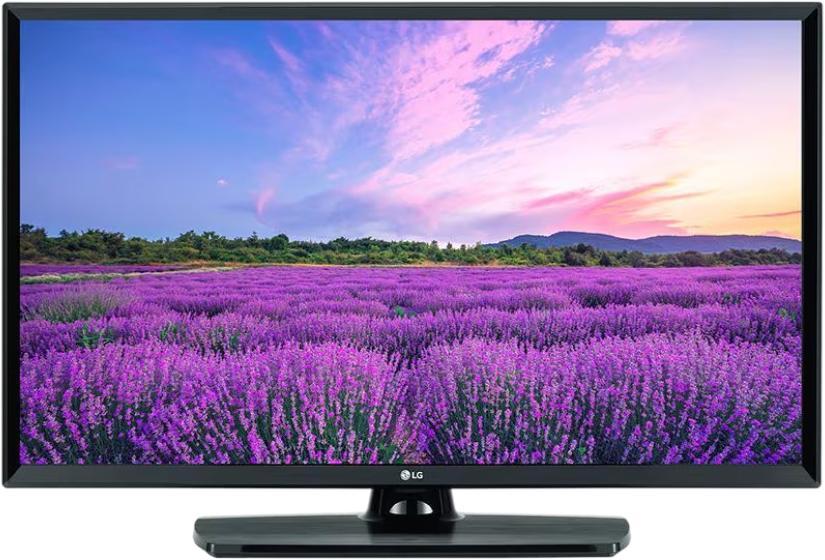
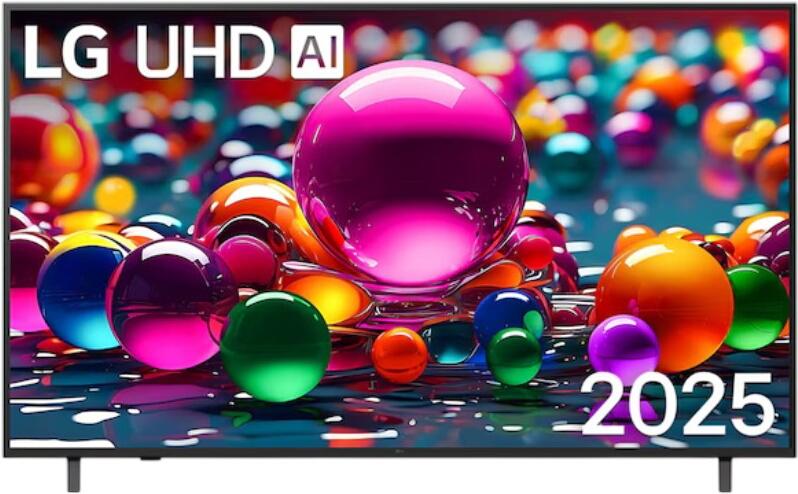
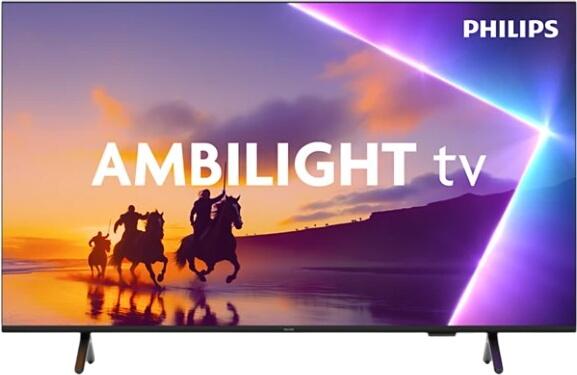
Newly Added Products


LED TVs: Consumer tips

LED TVs with Full HD and UHD not only provide impressive picture quality but are also known for their smart features. The following explains what to consider when purchasing such a TV and the advantages this technology offers.
LED Technology
LED TVs, which are a special variant of LCD TVs, use LEDs (Light Emitting Diodes) instead of traditional backlighting. The LEDs in these televisions provide more precise and even backlighting, which particularly contributes to the representation of black levels. This is because the LEDs can illuminate individual areas of the screen independently, a process known as "Local Dimming." This allows certain areas of the screen to remain dark while others are bright, resulting in deeper blacks and thus higher contrast. This is a crucial factor that determines picture quality and is especially beneficial when displaying dark scenes or when used in dark rooms. Another advantage, in addition to energy efficiency, is that LED TVs also have a longer lifespan. On average, they can operate between 50,000 and 100,000 hours before the brightness falls to half of the original value. This is significantly longer than previous generation LCD TVs. There are two types of LED TVs: Edge-Lit and Direct/Full Array-Lit. In Edge-Lit models, the LEDs are arranged along the edges of the screen, making them thinner and lighter, but they cannot deliver the same level of contrast as Direct/Full Array models. In these models, the LEDs are distributed across the entire back of the screen, allowing for better brightness distribution and thus a higher contrast ratio.
UHD TVs
Ultra High Definition, also known as Ultra HD, 4K, or UHD, denotes a television standard characterised by its high resolution. A UHD TV offers 3,840 x 2,160 pixels and over 8 million pixels, which is four times the number of pixels of a Full HD TV. This results in a sharp image, distinguished by extraordinary colour depth, impressive contrasts, and a high refresh rate. The high resolution of UHD TVs is particularly evident with larger screen diagonals. Most streaming services and many TV channels now offer content in 4K, allowing the higher resolution to be fully appreciated. Whether blockbuster movies, documentaries, or live sports broadcasts, UHD technology enables these to be enjoyed in a quality that has never been seen before. A fast and stable internet connection is essential to avoid interruptions or buffering issues. In addition to the impressive resolution, most UHD TVs also support technologies such as High Dynamic Range (HDR). HDR enhances the television image by increasing the contrast between the brightest and darkest areas of an image, resulting in more vibrant and realistic pictures. Technologies like Dolby Vision or Dolby Atmos provide an immersive audio experience.
Smart TV
Modern UHD TVs are much more than just simple devices for playing television programmes. They come with intelligent features, known as Smart TV features, that offer users a variety of applications. A fundamental capability of these televisions is internet connectivity. Via Wi-Fi or Ethernet, the TV can be directly connected to the home network and the internet. This opens up a world of possibilities: streaming services like Netflix, Amazon Prime Video, and Disney+ can be used directly on the TV, providing access to thousands of movies and series. Music services like Spotify are also available. Additionally, news, weather information, and social media can be accessed on the large screen. Furthermore, the Smart TV functionality includes access to an app store where a range of apps can be downloaded. Networking with other devices such as tablets, laptops, or smartphones is another strength of modern LED TVs with UHD and Smart TV features. Through technologies like screen mirroring or casting functions, content from these devices can be easily transferred to the TV. Many LED TVs with UHD and Smart TV features are compatible with voice assistants like Amazon Alexa or Google Assistant.
The right screen size
Prices for large televisions have significantly decreased in recent years: more and more buyers are opting for a UHD TV with 55 or even 65 inches. This size corresponds to a screen diagonal of 140 or 165 cm. Room dimensions and seating position, however, influence how large the new UHD TV should be. A screen that is too large in a small room can lead to eye strain. A general rule for the ideal screen size is that the viewing distance should be about 1.5 times the screen diagonal. Those who follow this rule can fully exploit the advantages of the high resolution without visible pixels.
Connections and compatibility
HDMI inputs are essential for connecting game consoles, Blu-ray players, or set-top boxes. Current models support the HDMI 2.1 standard, which ensures fast image rendering. All UHD TVs offer USB ports for playing media from external storage. Wireless technologies like Wi-Fi and Bluetooth connect the device to the home network or enable the use of wireless headphones.
LED vs OLED and Mini-LED
LED TVs, OLED TVs, and Mini-LED TVs each offer different advantages. OLED TVs provide the best black levels and viewing angles but are more expensive and prone to burn-in. Mini-LED TVs offer better brightness and contrast than traditional LED TVs but are also more expensive. LED TVs, on the other hand, provide a good balance of performance and price, making them a popular choice for many households.
Advantages of LED TVs:
- Energy efficiency: LED TVs consume less power than older LCD and plasma TVs.
- Brightness and contrast: Thanks to LED backlighting, LED TVs offer good brightness and solid contrast.
- Price: LED TVs are available at affordable prices and are particularly interesting for those who do not want to spend much money on a television.
Disadvantages of LED TVs:
- Viewing angle: LED TVs have a limited viewing angle compared to OLED TVs.
- Black levels: Although LED TVs offer good contrast, they generally cannot achieve the deep black levels of OLED TVs.