








Smartphones: Consumer tips
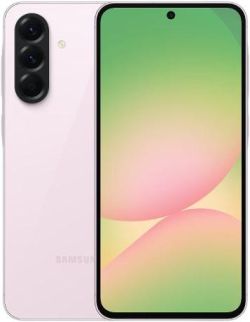
Whether you want a simple SIM-free handset for calls and apps, a strong mid-range phone for everyday photography and social media, or a premium model for gaming, video and advanced camera features, it helps to focus on the things that make the biggest difference in daily use.
What can a modern smartphone do?
A smartphone is far more than a phone. It gives you access to apps, email, mobile payments, sat nav, video calling, streaming, social platforms, online shopping and high-quality photography in one pocket-sized device. Compared with older mobile phones, modern smartphones offer:
- large touchscreens
- app stores
- advanced cameras
- biometric security such as fingerprint or face unlock
- mobile wallets
- cloud backup
- strong integration with other devices such as laptops, tablets, watches and earbuds
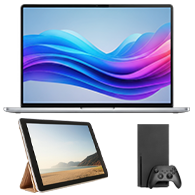
For many people, the smartphone has replaced several separate devices at once, including the compact camera, sat nav, music player and, for some tasks, even the laptop.
SIM-free, pay monthly or PAYG?
In the UK, one of the first buying decisions is whether to buy:
- SIM-free
- pay monthly
- PAYG (pay as you go)
A SIM-free phone is bought without a network contract, giving you the freedom to choose or change your SIM deal separately. This is often the best-value route if you want flexibility or already have a good SIM-only plan.
A pay monthly phone spreads the cost over a contract term and can be convenient, especially for expensive handsets, but the total cost is often higher.
A PAYG phone can still suit lighter users, though it is far less common as the best-value option for smartphone-heavy use.
Android or iPhone: which is better?
For most people, the real choice is Android or iPhone, and neither is automatically better for everyone.
Android
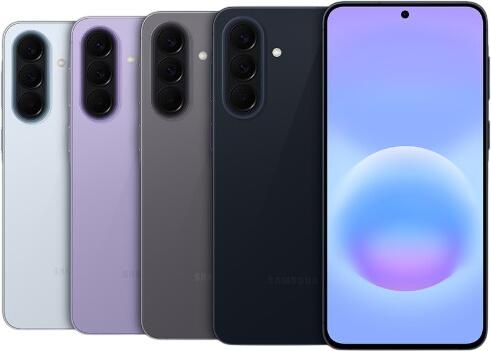
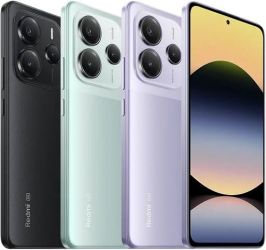
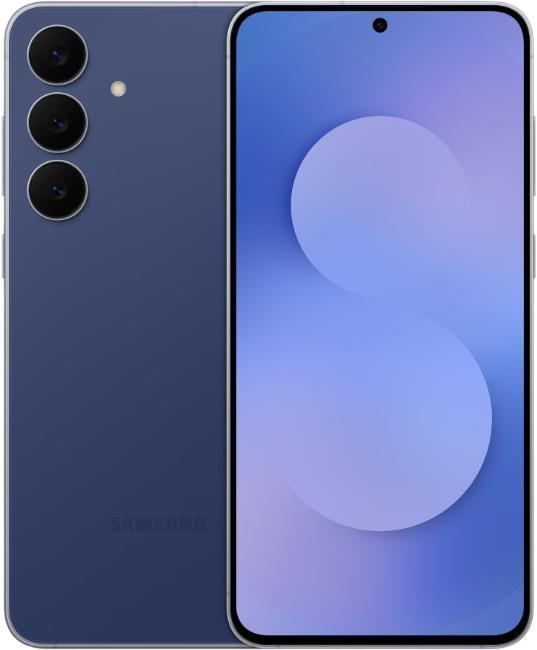
Android is used by many brands and gives buyers the widest choice of prices, sizes and styles. It is available on everything from affordable handsets to top-end flagship phones. Android is usually the better fit if you want:
- more choice across brands
- a wider range of prices
- more hardware variety
- flexible customisation
- strong value in the mid-range market
iPhone
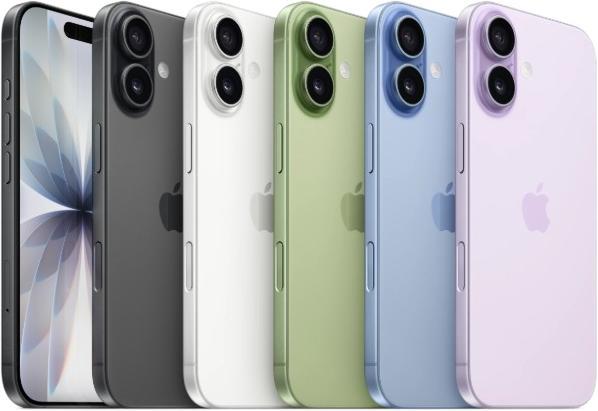
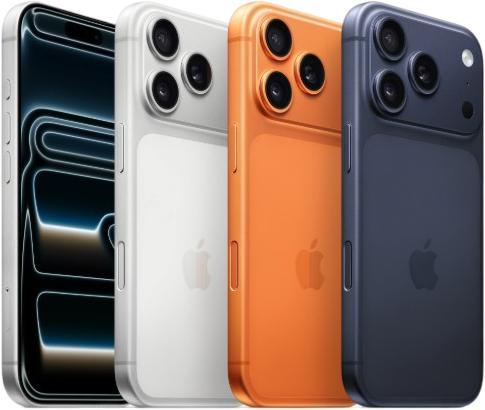
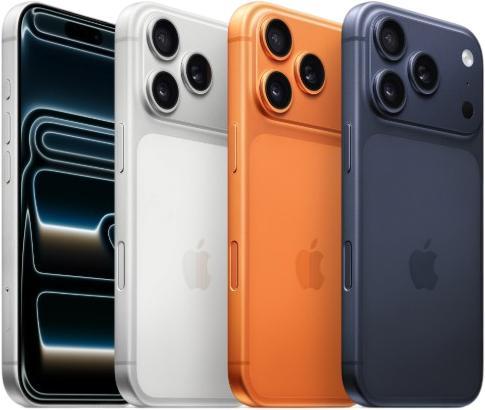
Apple’s iPhone is the better fit if you prefer a tightly integrated ecosystem and long-term consistency across hardware and software. It is especially appealing if you already use a Mac, iPad, Apple Watch or AirPods.
Rather than asking which operating system is objectively best, it is more useful to ask which one fits your apps, habits and other devices more naturally.
How much storage do you need?
For most buyers 128GB is a sensible starting point, but it is no longer always generous if you take lots of photos, download offline video or keep your phone for several years. If you record a lot of video, play large games or want more headroom, 256GB or above is often the safer choice.
The right amount depends on how you use your phone:
- 128GB: fine for lighter everyday use
- 256GB: a strong all-round choice for many users
- 512GB or more: useful for heavier video, gaming or long-term storage needs
You do not need to jump straight to the highest storage tier unless you know you will use it. It is often better to balance storage, camera quality and battery life rather than overspend on capacity alone.
Display: what actually matters?
Most modern smartphones now have large screens, and many buyers will end up somewhere between compact practicality and media-friendly size. A larger display is useful for:
- streaming
- gaming
- reading
- social media
- navigation
- split-screen multitasking on supported devices
Beyond size, the main things to check are:
- display brightness for outdoor use
- colour quality and contrast
- refresh rate
- screen durability
OLED panels are now common well beyond flagship phones, and high refresh rates such as 90Hz or 120Hz are available on many mid-range devices too. A smoother screen feels better in scrolling, gaming and general navigation, but it is not the only sign of quality. Brightness and visibility in daylight often matter more in real life.
Performance: how much power do you need?
Most people do not need a flagship processor. If your main tasks are messaging, web browsing, banking, streaming, maps, shopping and social apps, a good mid-range smartphone will usually be more than enough.
You should pay more attention to top-tier performance if you:
- play demanding games
- edit lots of video on your phone
- multitask heavily
- want stronger on-device AI features
- plan to keep the phone for many years
RAM and chipset specifications have moved on, but they should not be judged in isolation. More memory can help, but software optimisation, cooling and overall device tuning also shape how fast a phone feels day to day.
5G, Wi‑Fi and connectivity
5G is no longer a premium-only feature. It is now common across much of the UK smartphone market, including many affordable and mid-range models. That means it should usually be treated as a normal expectation rather than a luxury extra.
Other useful connectivity checks include:
- Wi‑Fi performance
- Bluetooth version
- eSIM support where relevant
- NFC for contactless payments
- USB-C features and charging support
If you travel often or use multiple numbers, dual SIM or eSIM support may also be worth checking.
Camera quality: look beyond the number of lenses
A smartphone camera setup can look impressive on paper but still perform very differently in real use. More lenses do not automatically mean better photos. In the UK mid-range market, features such as ultra-wide cameras are common on some models, but telephoto zoom is still far from universal at lower price points.
What matters more is:
- main camera quality
- low-light performance
- video stabilisation
- skin tones and colour consistency
- zoom quality
- speed and reliability of the camera app
If photography matters to you, do not focus only on megapixels or lens count. The main sensor and image processing usually make a bigger difference.
Battery life and charging
Battery buying advice has to be more nuanced than simply quoting mAh figures. Capacity still matters, but processor efficiency, display type, software optimisation and mobile signal conditions all affect battery life.
In practice, the better question is: will it comfortably last a full day for my usage?
For many buyers, a good modern smartphone should deliver dependable all-day battery life under mixed use. Heavier users may still need faster charging or a top-up in the evening, especially with gaming, navigation, hotspot use or lots of video recording.
Some phones support very fast wired charging, some focus more on battery longevity, and wireless charging is still more common on mid-range and premium models than on budget devices. Check:
- wired charging speed
- whether a charger is included
- wireless charging support
- battery health features
- USB-C charging compatibility
How much should you spend?
The best smartphone for you depends heavily on budget.
Budget phones
These are suitable for basic everyday use such as calls, messaging, maps, browsing and light app use. They can be very good value, but camera quality, storage speed and long-term performance are more limited.
Mid-range phones
This is where many of the best-value handsets now sit. A good mid-range phone can offer strong battery life, a good display, solid cameras and 5G without flagship pricing.
Premium and flagship phones
These offer the best cameras, the brightest screens, stronger performance, better build quality and more advanced extra features. They are worth it if you know you will benefit from those upgrades, but many users do not need to spend at the top of the market.
Questions to ask before buying a smartphone
Before choosing a phone, ask yourself:
- Do I want SIM-free, pay monthly or PAYG?
- Do I prefer Android or iPhone?
- Is camera quality a priority, or just a bonus?
- Do I want a compact phone or a larger screen?
- How much storage will I realistically need over the next few years?
- Do I need premium gaming performance, or just smooth everyday use?
- Is long battery life more important than having the thinnest phone?
- Do I care about extras such as wireless charging, eSIM or advanced zoom?