



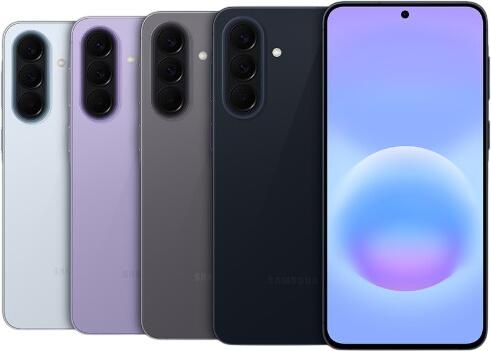
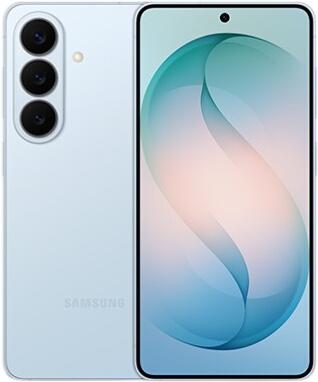

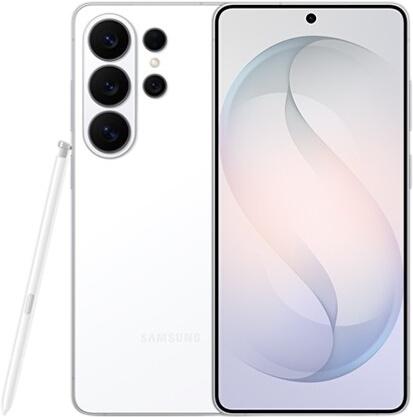
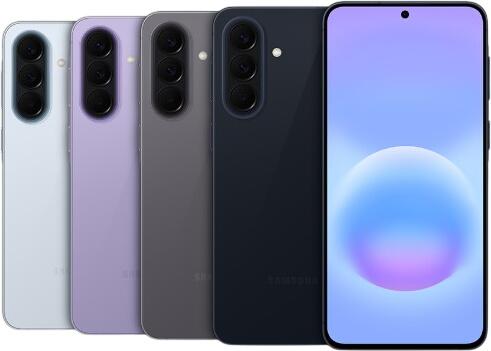
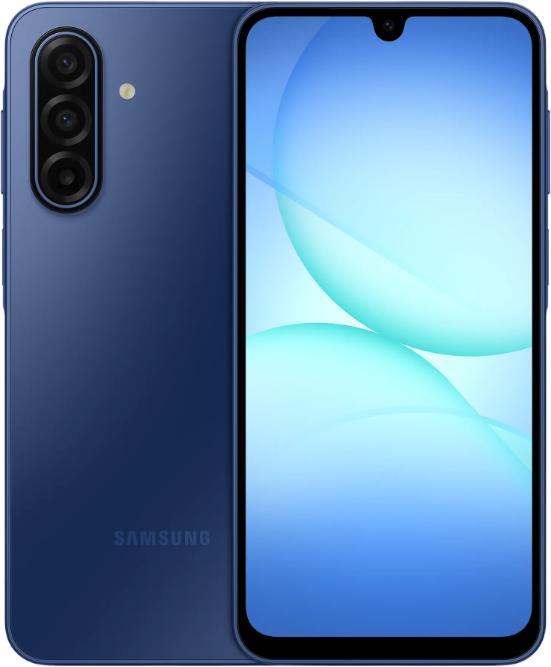

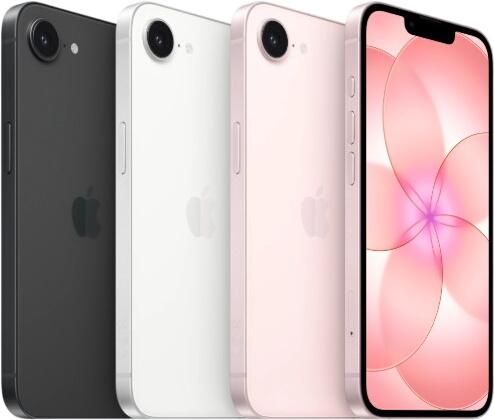


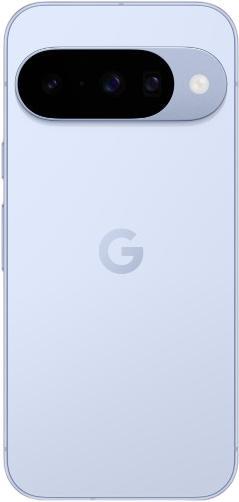
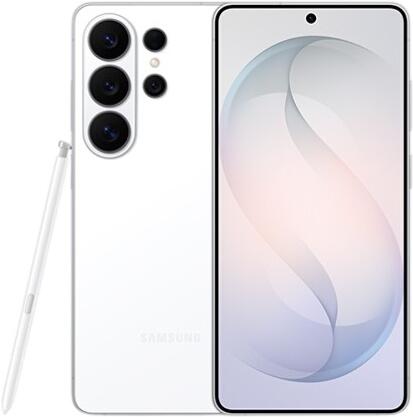
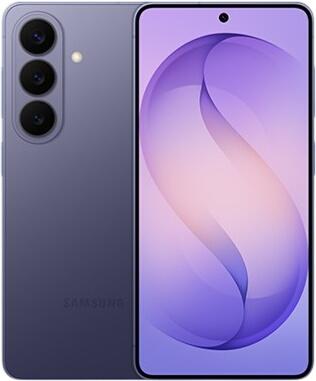
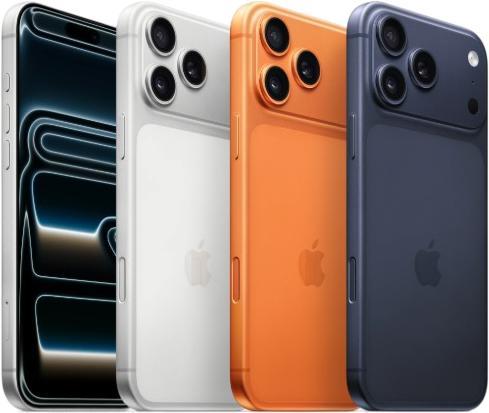


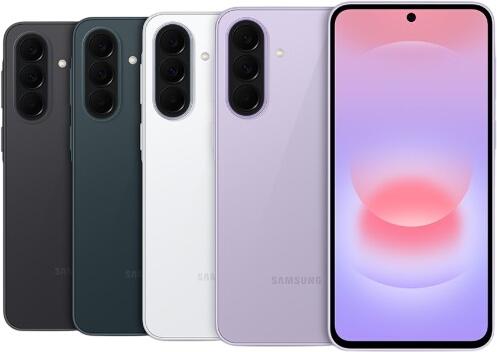
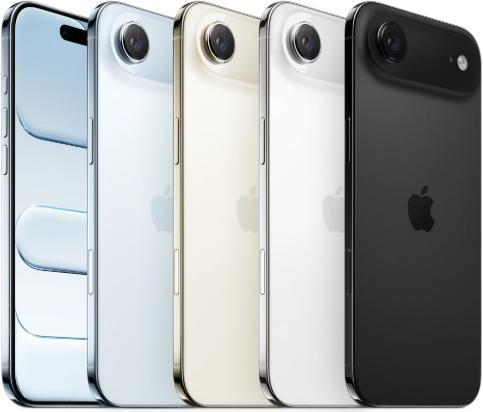

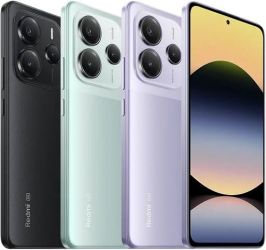
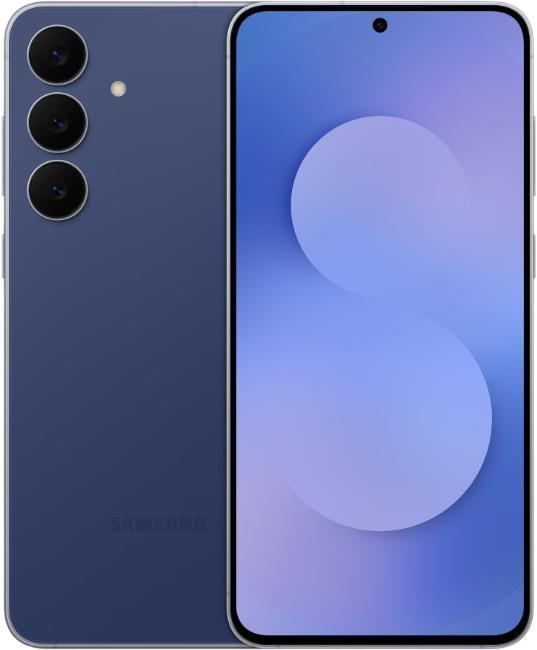
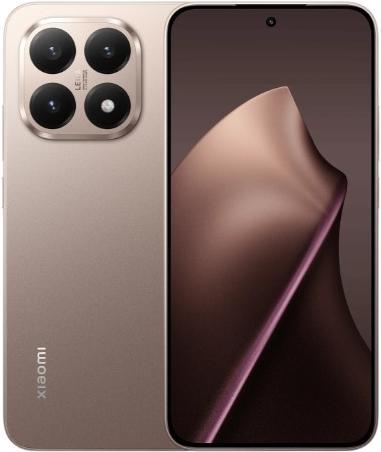
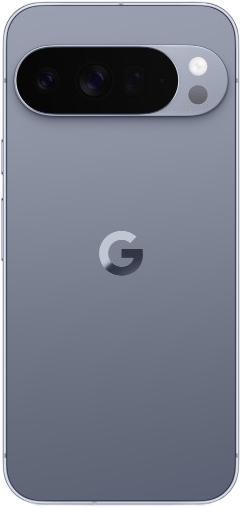
Newly Added Products


Mobile Phones: Consumer tips
Choose a phone for the way you use it
Basic calls, messaging and everyday essentials
If you mainly make calls, send messages, use WhatsApp, browse occasionally and check emails, an entry-level smartphone should be sufficient. These phones can also run essential banking, travel, shopping and video-calling apps, although performance may be more limited when several apps are open at once.
There are also simple mobile phones with physical buttons for people who do not need smartphone apps. These can offer long battery life and straightforward controls, but check whether they support 4G calling. UK networks are retiring older 3G services, so a 4G-compatible handset is the safer choice for long-term use.
For a low-cost phone, prioritise a clear screen, dependable battery life, enough storage for updates and apps, and a manufacturer with a reasonable software-support policy. Very cheap models may receive fewer security updates and can fill up quickly if they have limited storage.
Regular internet use, streaming and photos
A mid-range smartphone is a good fit if you use social media, stream video or music, take plenty of photos, use navigation, and want a device that feels responsive for several years. This category often provides the best balance between price and everyday performance.
Camera specifications should not be judged by megapixels alone. A larger sensor, optical image stabilisation, good low-light processing and reliable autofocus can matter more than the number of lenses on the back. Some phones include ultra-wide cameras, while a dedicated telephoto lens is more common on higher-priced models; neither is essential if you mostly take everyday snapshots.
A bright OLED display, a 90Hz or 120Hz refresh rate, stereo speakers and a capable main camera can make a noticeable difference to streaming, scrolling and photography. If you watch content while commuting, consider screen brightness and battery performance rather than display size alone.
Useful features for this type of buyer include:
- A bright Full HD+ display for video, maps and reading
- At least a full day of real-world battery life
- A good main camera with night mode and image stabilisation
- 5G support for compatible UK networks and tariffs
- NFC for contactless payments, including Google Wallet or Apple Pay
- Dual SIM or eSIM support if you use separate work and personal numbers
- Sufficient storage for photos, apps and offline downloads
Premium phones for gaming, video and demanding use
High-end smartphones are designed for users who edit video, play demanding games, use professional apps, take frequent photos and want the best displays, cameras and build quality. They may also offer more advanced features such as high-resolution telephoto cameras, faster wireless connectivity, desktop-style modes, satellite emergency features on selected models, and support for accessories including styluses or external displays.
Do not rely on a fixed RAM or storage figure when comparing premium phones. Requirements differ between operating systems and manufacturers, while cloud storage can reduce the need for large internal capacity. However, storage cannot usually be upgraded on modern flagship phones, so choose carefully if you shoot high-resolution video, download games or keep large offline media libraries.
For most people, 256GB is a sensible starting point for a phone intended to last several years. Consider 512GB or 1TB if you create lots of video, use the phone for work, or prefer to keep files stored locally. Check whether the phone supports microSD expansion, as this is now uncommon on many premium models.
Premium devices often cost well over £800, and the most advanced models can exceed £1,000.
Battery life and charging
Battery capacity, shown in mAh, is only one part of battery performance. Screen size, display brightness, mobile signal strength, processor efficiency, camera use and software optimisation all affect how long a phone lasts between charges. A phone with a smaller battery can sometimes outlast a model with a larger one.
Look for independent battery-life testing where possible, especially if you use navigation, mobile data, gaming or video streaming regularly. For most buyers, a device that comfortably lasts from morning to evening is more useful than a headline battery-capacity figure.
Fast charging can be convenient, but charging speeds, plugs and cables vary. Some manufacturers no longer include a charging adapter in the box, so check what is supplied and whether your existing charger supports the phone’s maximum charging speed. Wireless charging is useful for desks and bedside tables, although it is usually slower and can generate more heat than wired charging.
To protect long-term battery health, use reputable chargers, avoid prolonged overheating and consider built-in charging-limit features where available.
Check UK network and software compatibility
A SIM-free phone should work with UK mobile networks, but it is worth confirming that it supports the relevant 4G and 5G frequency bands before buying an imported model. Handsets sold through established UK retailers are usually configured for local networks, while grey imports may have limitations with 5G, Wi-Fi calling, eSIM, warranty service or contactless payments.
Also check:
- SIM type: physical SIM, eSIM or dual SIM
- Wi-Fi calling and VoLTE: useful where indoor mobile reception is weak
- Network compatibility: especially for imported or marketplace phones
- Software updates: longer security support can extend the useful life of the device
- UK warranty: check who provides it and how repairs are handled
- Charging connector: USB-C is standard on most new phones, including current iPhones
- Water and dust resistance: look for an IP rating if you need extra protection
Buying tips for a new smartphone
- Choose a SIM-free phone for flexibility with UK SIM-only and pay-as-you-go deals.
- Compare the total cost of a pay-monthly contract with the cost of buying outright.
- Prioritise real-world camera quality over megapixel counts or the number of lenses.
- Check storage before buying, as expansion via microSD is not available on many models.
- Look at software and security-update support if you plan to keep the phone for several years.
- Consider screen size, weight and one-handed comfort as well as technical specifications.
- Check what is included in the box, particularly the charger and cable.
- Consider a certified refurbished model if you want premium features for less.
- Ensure imported handsets support UK 4G, 5G, eSIM and Wi‑Fi-calling features where required.