







Telephone System Accessories: Consumer Tips
What accessories are useful for a telephone system?
There is no single accessory that every phone system needs. The right choice depends on the workplace, the noise level, the call volume and whether staff use desk phones, softphones or a cloud phone platform.
Common useful accessories include:
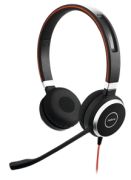
- Office headsets
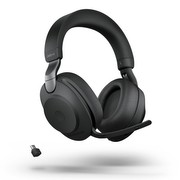
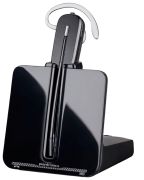
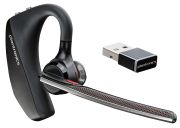
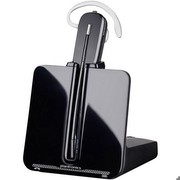
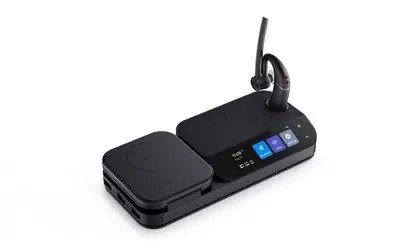
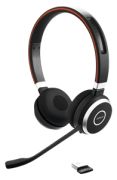
- Wireless headsets
- Conference speakerphones or conference units
- Call recording solutions
- Paging or internal communication accessories
- Handset amplifiers or audio boosters
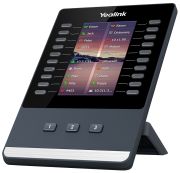
- Busy-light accessories on supported systems
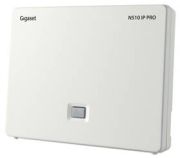
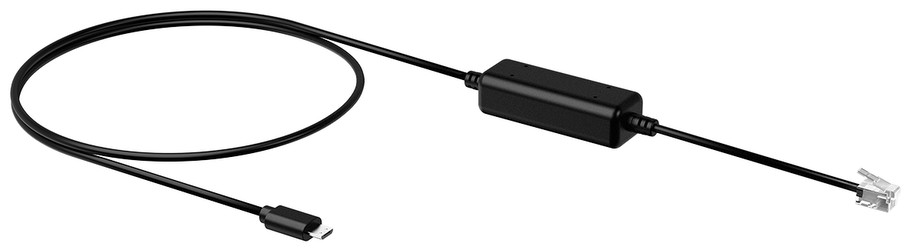
- Adapters and connection cables for compatible desk phones or VoIP setups
The best accessories are the ones that genuinely improve usability rather than simply adding features that will never be used.
Office headsets: one of the most useful upgrades
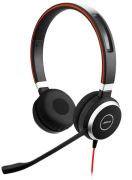
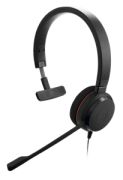
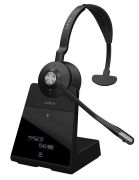
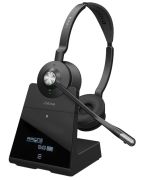
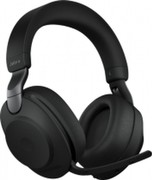
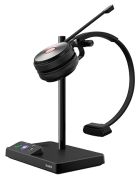
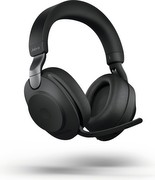
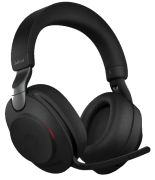
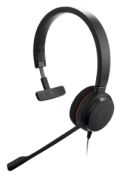
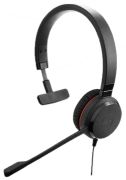
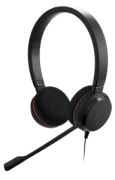
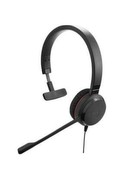
For many businesses, a headset is the most worthwhile phone system accessory. It keeps both hands free, supports longer calls more comfortably and can make it easier to continue working while speaking to customers or colleagues.
When choosing a headset, it is important to think about how it will be used:
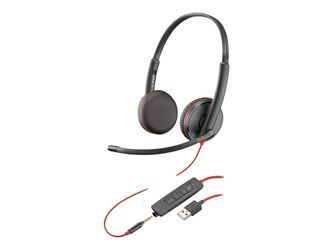
- Wired headsets: useful for fixed desk setups and simple compatibility
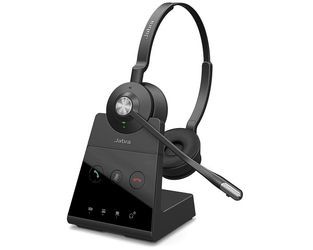
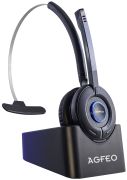
- Wireless headsets: better if staff need to move around while on calls
- Mono headsets: let one ear stay open to hear the office
- Stereo headsets: better for focus in noisier workspaces
For offices, it is also worth checking whether the headset is compatible with the specific desk phone, VoIP platform or softphone application being used. Not every headset works equally well with every call setup.
What should you look for in a headset?
Headset comfort and compatibility matter just as much as audio quality. A headset that sounds good but feels uncomfortable after an hour is unlikely to be a good long-term buy.
Useful buying points include:
- Wired or wireless design
- Compatibility with your phone system
- Noise-reducing microphone
- Battery life on wireless models
- Range for office movement
- Mono or stereo wearing style
- Lightweight design for all-day use
If the headset will be used constantly, call clarity and wearing comfort should be treated as top priorities.
Call recording: only where it is genuinely needed
Some workplaces need the ability to record calls, but this should always be treated carefully. In modern business telephony, this is more likely to mean call recording software, VoIP recording support or a phone-system-compatible call recording solution rather than a vague standalone recording device.
For businesses that need it, useful considerations include:
- Storage capacity or cloud storage handling
- Compatibility with the phone platform
- Ease of retrieval
- Access controls
- Retention and compliance requirements
Any call recording setup should also be considered in light of the relevant privacy and workplace obligations. If recording is part of the business process, it is sensible to check internal policy and legal compliance requirements before choosing a system.
Conference units and speakerphones
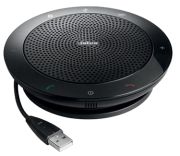
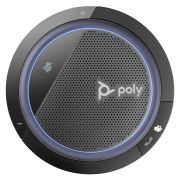
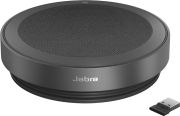
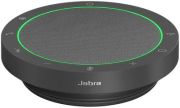
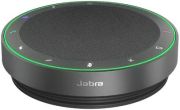
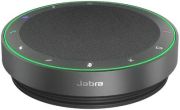
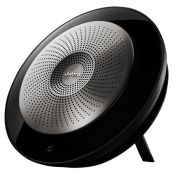
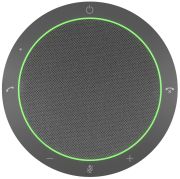
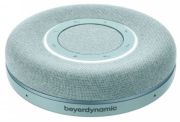
For meeting rooms and shared office spaces, a conference speakerphone or conference unit can be a very practical accessory. These are especially useful for hybrid meetings, team calls and small meeting rooms where a normal handset is not suitable.
A good conference accessory can help with:
- Hands-free calls
- Better room pickup
- Clearer group communication
- More practical meeting-room use
- VoIP and softphone compatibility
For smaller businesses, these products can often be more useful than complex add-on hardware if the main goal is simply better group calling.
Paging, internal communication and door-entry integration
Some office phone systems also support internal communication features beyond normal calls. In a business setting, this can include paging, extension-to-extension communication or integration with door-entry and reception systems. This is a clearer and more useful way to frame what might otherwise be loosely described as an intercom function.
This can be useful in:
- Reception areas
- Warehouses
- Shared office buildings
- Clinics or customer-facing workplaces
- SMEs with controlled entry points
The key is to check whether the accessory is built for business telephony integration rather than assuming any generic intercom product will work with the phone system.
Amplifiers and audio support
In noisy workplaces, stronger audio support can still be useful. Handset amplifiers or audio-boosting accessories may help in environments where calls are harder to hear clearly. However, in many modern systems, better headsets or better speakerphone hardware may be a more practical solution than a standalone amplifier.
What should buyers consider?
For businesses, it is worth focusing on real workplace fit rather than just generic features. Before buying, check:
- Compatibility with your existing desk phones or VoIP system
- Whether the accessory is designed for office use
- Comfort for long calls
- Battery life and range for wireless products
- Call recording suitability and compliance needs
- Support for hybrid working or meeting-room use
This is especially important for SMEs, where buying the wrong accessory can create unnecessary setup issues or poor day-to-day usability.