




Newly Added Products


Radio: Consumer tips
FM, DAB/DAB+ and internet radio explained
Radio stations use different transmission methods, and many current radios combine two or more of them.
FM remains useful across the UK, particularly for local stations and areas where digital reception is limited. The number of stations you can receive varies considerably by location, aerial position, local terrain and the strength of the broadcaster’s signal. It is therefore not helpful to judge an FM radio by a fixed number of available stations.
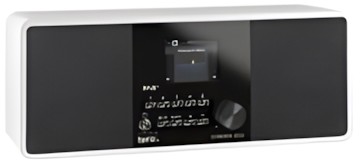
DAB and DAB+ are the main digital radio formats in the UK. A DAB/DAB+ radio can provide a broad choice of national, regional and local stations, often with station names and programme information shown on the display. Coverage varies by postcode, so it is worth checking digital radio reception where you live, work or travel regularly. A radio with both DAB/DAB+ and FM gives you useful flexibility.
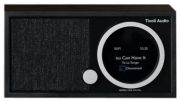
Internet radio connects through Wi-Fi and streams stations, podcasts and on-demand content online. It can offer a far larger choice than terrestrial radio, including local stations, specialist music services and international broadcasters. At home, it needs a reliable Wi-Fi connection; away from home, it normally requires a phone hotspot and may use mobile data.
Older AM bands, including medium wave and short wave, are now more specialised in the UK. They may still appeal to enthusiasts, travellers and listeners seeking particular international broadcasts, but they are no longer essential for most everyday radio purchases.
Choose a radio to suit where you listen
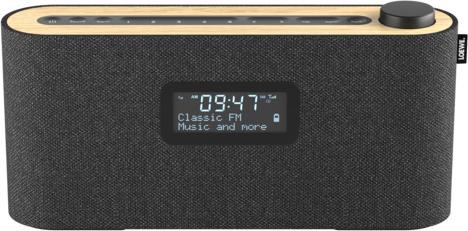
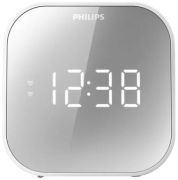
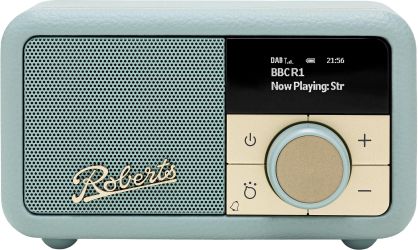
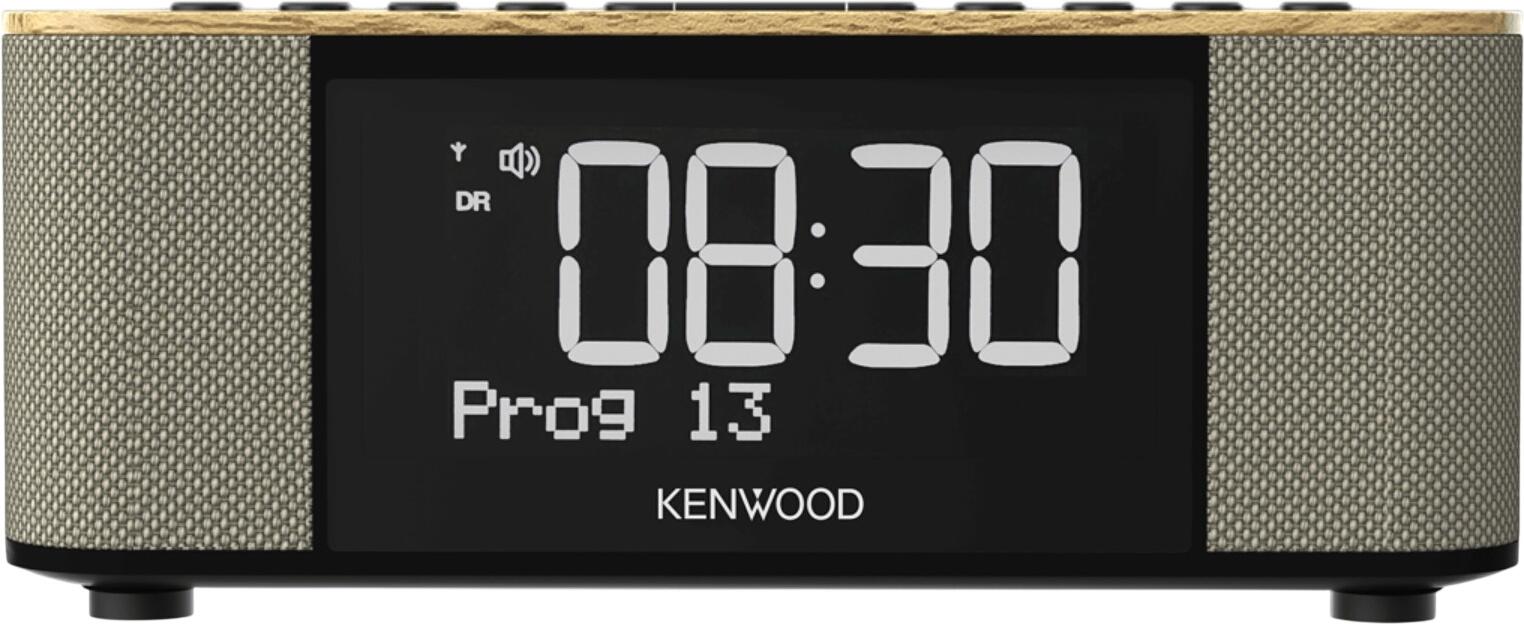
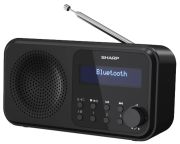
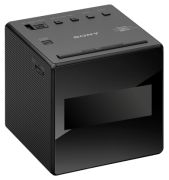
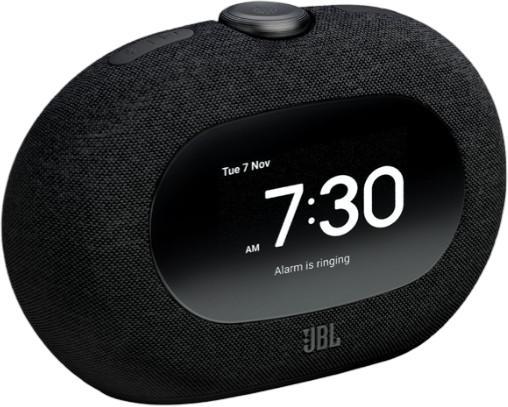
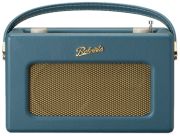
A compact DAB/DAB+ radio is a practical choice for kitchens, bedrooms and home offices. Models with presets, a clear display and simple buttons make it easy to switch between favourite stations. If it will be used near food preparation, look for a wipe-clean finish, a timer or alarm function, and mains power so you do not need to replace batteries frequently.
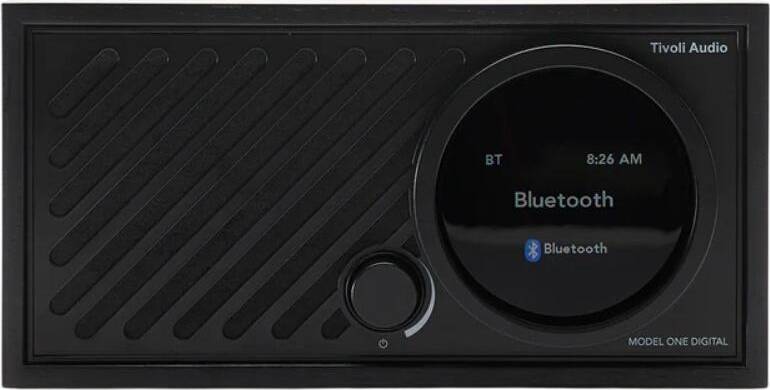
For living rooms, a larger tabletop radio or a hi-fi system with a built-in tuner can offer fuller sound. Stereo speakers, Bluetooth and Wi-Fi are useful if you also want to stream music from a smartphone or use services such as Spotify. Streaming subscriptions may be required for some services and features.
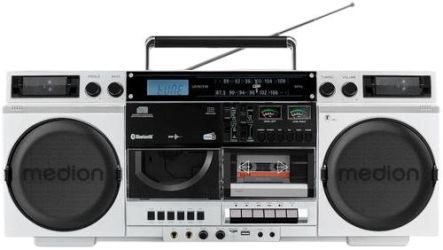
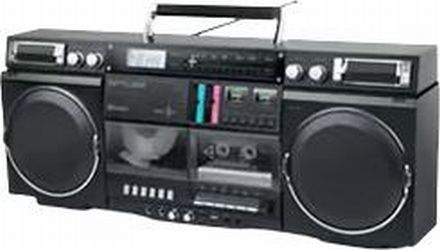
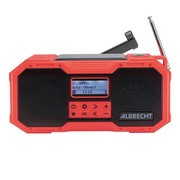
Portable radios are better suited to camping, picnics, holidays and garden use than legacy CD players or boomboxes. Look for a compact DAB/DAB+ and FM model with a rechargeable battery, USB-C charging where available, and a headphone socket for private listening. Battery life can vary significantly depending on volume, screen brightness and whether DAB, Bluetooth or Wi-Fi is in use.
For travel abroad, an internet radio app on a phone may be more convenient than a dedicated multi-band receiver, provided you have Wi-Fi or affordable mobile data. A world-band receiver remains a niche option for listeners who specifically want short-wave broadcasts or off-grid listening.
At-a-glance: which type of radio is right for you?
- Kitchen or bedroom: compact mains-powered DAB/DAB+ and FM radio with presets, alarm and clear controls.
- Living room: larger DAB/DAB+/FM or Wi-Fi radio with stereo sound, Bluetooth and streaming support.
- Travel and outdoors: portable DAB/DAB+ and FM radio with rechargeable battery, headphone socket and robust casing.
- International stations and podcasts: Wi-Fi internet radio with app control and reliable home broadband.
- Workshops and building sites: rugged site radio with battery compatibility, mains power and protection against dust and splashes.
- Radio enthusiasts: multi-band receiver supporting FM, AM and short wave, ideally with an external aerial connection.
Useful features to look for
Many radios now do more than receive live broadcasts, but extra features should match how you plan to use the device. Bluetooth is one of the most useful additions, as it lets you play audio from a phone, tablet or laptop. This is ideal for podcasts, audiobooks and personal music libraries.
Wi-Fi-enabled radios may support internet stations, podcasts, multi-room audio or app-based control. Bear in mind that these features depend on your home network and, in some cases, an online account or third-party service. If you simply want dependable live radio, a straightforward DAB/DAB+ and FM model may be easier to use and better value.
Audio quality matters too. Small mono radios are fine for speech radio, kitchens and bedside listening, while stereo speakers, a larger cabinet and adjustable bass settings can make music sound more satisfying. A headphone socket is useful for late-night listening, and a line-out or auxiliary output can allow connection to other speakers or a hi-fi system.
When comparing models, consider:
- Reception: DAB/DAB+ and FM are the best starting point for most UK homes.
- Presets: make it quicker to save favourite stations.
- Display: a dimmable screen is useful in bedrooms; colour displays can show album artwork and station information.
- Alarm and sleep timer: helpful for bedside and kitchen radios.
- Bluetooth: lets you play sound wirelessly from a phone or tablet.
- Wi-Fi: required for internet radio and many streaming functions.
- Power options: mains power for everyday use; rechargeable or replaceable batteries for portability.
- Charging ports: USB or USB-C outputs can be convenient, but check whether the radio can charge a phone and whether a charging cable is included.
- Ease of use: large buttons and clear labels are especially useful for shared family use or accessibility needs.
Site radios for demanding workspaces
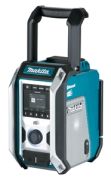
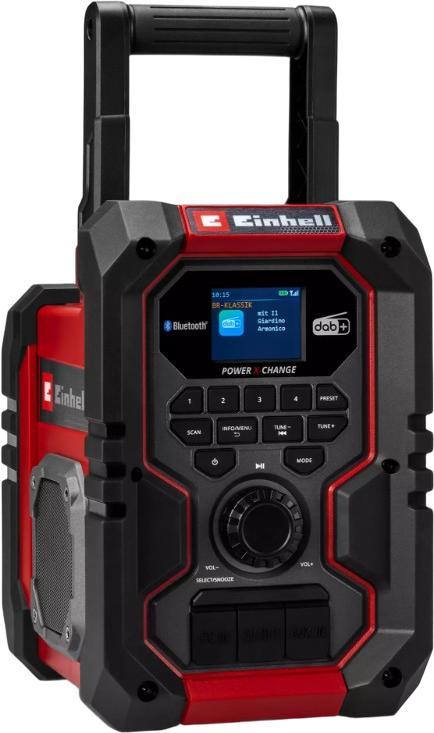
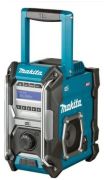
A site radio can be a sensible choice for workshops, garages, warehouses and building sites. These models are designed to cope better with knocks, dust and occasional splashes than a standard home radio. They often have reinforced corners, protective roll cages, a carry handle and controls that are easy to use with work gloves.
Check the manufacturer’s stated protection rating rather than assuming every rugged-looking radio is weatherproof. An IP rating can indicate resistance to dust and water, although the level of protection differs between models. For regular outdoor use in UK weather, choose a model intended for damp conditions and avoid leaving any electrical device exposed to heavy rain.
Many site radios run on mains power and can also use rechargeable power-tool batteries from a compatible tool platform. This can be convenient if you already use cordless tools from the same range, but battery compatibility is brand- and voltage-specific. The battery and charger are not always included.
A good site radio should offer:
- DAB/DAB+ and FM reception for UK stations
- Bluetooth for music and podcasts from a phone
- Mains operation plus rechargeable battery compatibility
- A protective frame or impact-resistant housing
- A practical carry handle and stable base
- Splash and dust resistance appropriate to the workspace
- Clear controls and a readable display
Make sure reception meets your needs
Before buying, consider where the radio will be placed. DAB and FM performance can change between rooms, particularly in homes with thick walls, basements or metal-framed buildings. Positioning a radio near a window and fully extending its telescopic aerial can improve reception.
For weak-signal areas, choose a model with a proper external aerial connection where possible, or consider an internet radio if you have stable Wi-Fi. Internet radio avoids terrestrial coverage limitations, although it will stop working if your broadband or Wi-Fi connection fails.
A radio with DAB/DAB+, FM and Bluetooth offers a strong all-round combination for most UK buyers in 2026. Add Wi-Fi if you want global stations, podcasts and streaming features; choose a rugged, battery-compatible model if it will spend time in a workshop or on site.