
















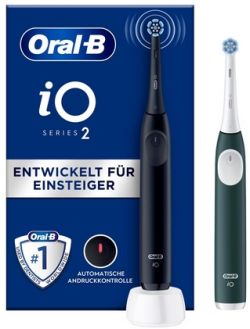

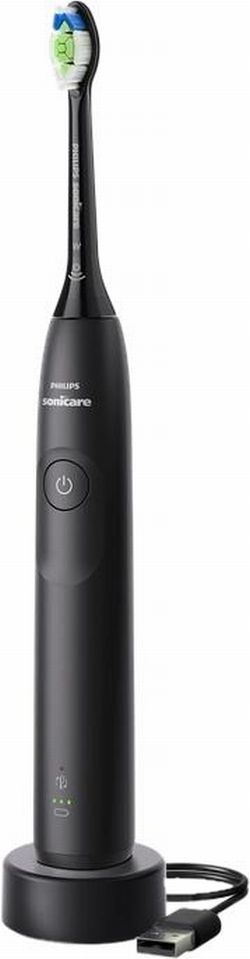

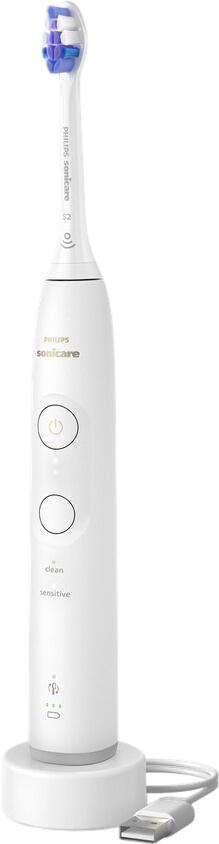
Newly Added Products

Buy electric toothbrushes cheaply: consumer tips

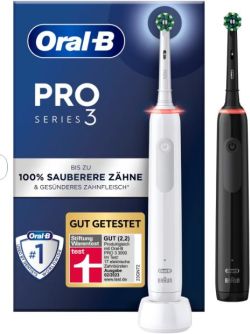
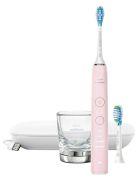
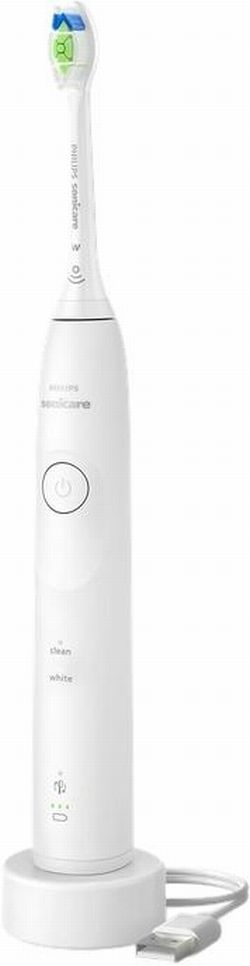
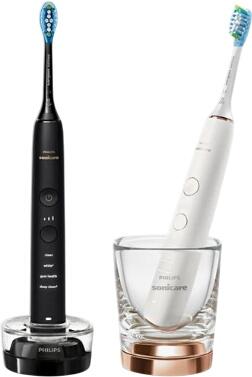
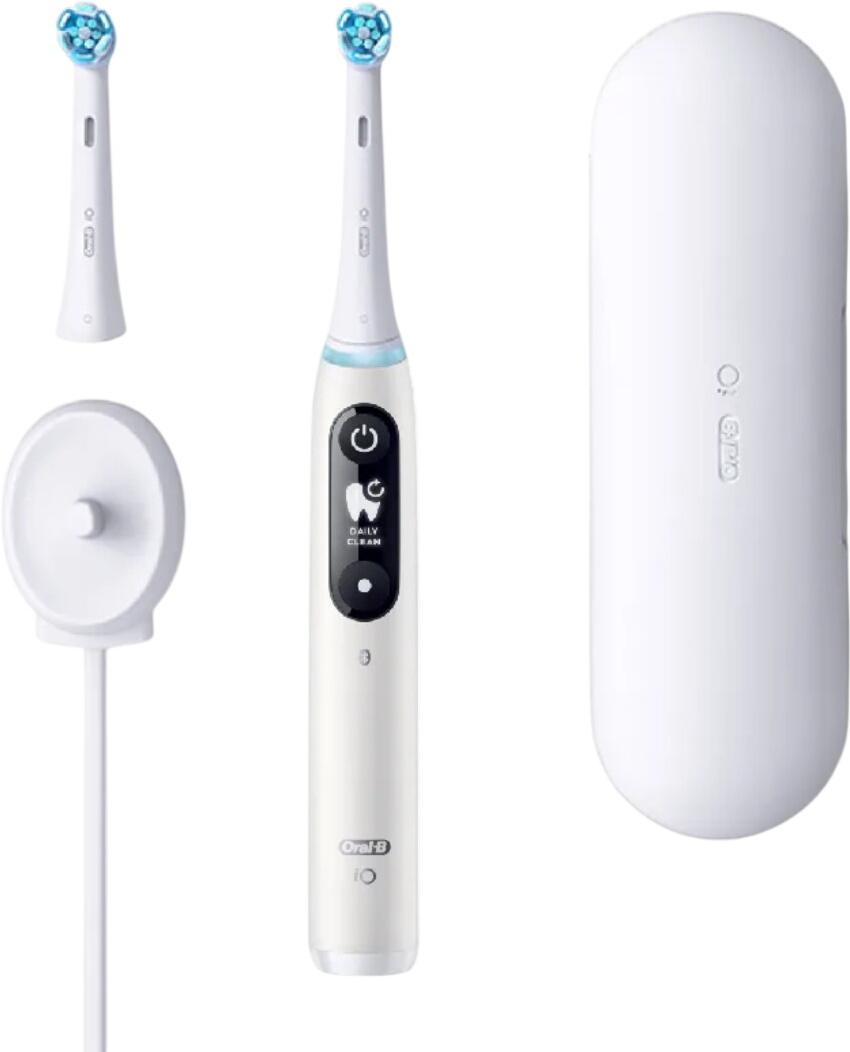
Electronic toothbrushes are powered by a motor, which causes the brush head to rotate or vibrate. Due to the usually faster movements compared to manual brushing, teeth are often cleaned more thoroughly with an electric brush. We reveal the differences between the various model types and what to look for when purchasing in our consumer tip.
Battery life
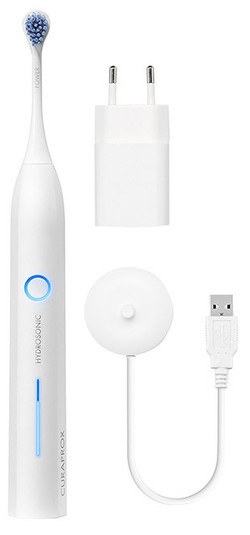
The performance of an electric toothbrush depends on its built-in battery. This can last between half an hour and up to three hours before it needs to be placed in the charging station. Although the average brushing time is about two minutes, which is significantly below the battery capacity, a higher performance should still be preferred in terms of total usage, as charging consumes electricity. This is where the follow-up costs lie. Some models are also powered by batteries that need to be replaced when they run out of energy. However, this is not recommended, as purchasing new batteries costs more than the charging costs of a rechargeable brush. The charging station usually also serves as the holder where the toothbrush is placed after use. It then recharges via induction.
Oscillating models, sonic and ultrasonic toothbrushes
Different categories are distinguished among electronic toothbrushes. On one hand, there are oscillating devices, and on the other, sonic and ultrasonic toothbrushes. The former have a round brush head that rotates at 3,000 to 15,000 revolutions per minute. A motor generates the rotation, cleaning the teeth and gums with the bristles.
Sonic toothbrushes achieve up to 40,000 movements per minute. Here, the brush head is driven by an electric sound transducer and swings at a frequency of 250 to 300 Hertz. The sonic technology creates a dynamic flow of liquid made up of toothpaste, saliva, and oxygen, which penetrates the gaps and the gum line to clean them. Such high movement numbers remove plaque bacteria even from several millimetres away from the brushing surface through vibration and airflow. The brush head is also elongated, resembling conventional manual toothbrushes.
Ultrasonic toothbrushes reach vibration frequencies above 300 Hertz. Some models achieve up to 1.8 megahertz. This type of electronic toothbrush uses a special toothpaste, which is applied to the inside and outside of the teeth before use. The toothbrush is then turned on and held in one spot for five to ten seconds. This method is extremely gentle on the teeth and gums, as little pressure is applied. Instead, micro air bubbles are generated that reach even the most difficult spots.
Helpful tips
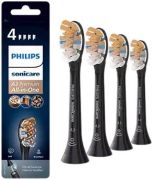
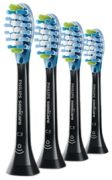
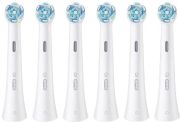
The heads of electric toothbrushes are interchangeable, and consumers should pay attention to the prices of replacement brushes. High follow-up costs can be hidden here. The brushes should be replaced as soon as the bristles wear out – on average every three months. Sonic and ultrasonic toothbrushes are more expensive than other models, but they clean even more thoroughly than conventional rotating brushes. In particular, consumers suffering from gum inflammation and plaque should invest more money here, as they can achieve significant long-term success. Gum circulation is stimulated, and discolouration from coffee and tea is reduced. Higher-priced devices usually come with special functions. For example, the speed at which the electric toothbrush rotates can be adjusted in stages. There are also gum massage modes and reminder signals when the brushing process should be completed. An integrated pressure control warns against applying too much pressure on the gums.
Tips for buying electric toothbrushes
- Pay attention to battery life
- Know the type of toothbrush (oscillating, sonic, ultrasonic)
- Consider follow-up costs such as replacement brushes
- Inform yourself about additional functions
- Consult your dentist if in doubt