




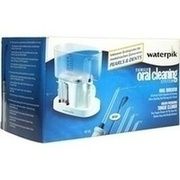
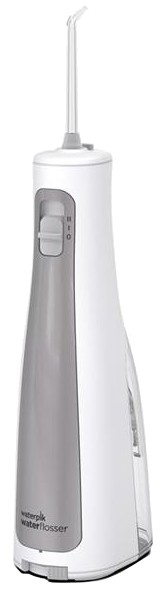
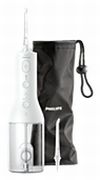


Water Flossers: Consumer tips
For many people, especially those with braces, bridges, implants or tight spacing between teeth, a water flosser may help reach areas that are harder to clean with brushing alone.
It should not usually be seen as a complete replacement for brushing. Instead, it is best thought of as an extra cleaning step that may help improve your overall mouth-care routine and make interdental cleaning easier and more comfortable for some users.
What does a water flosser do?
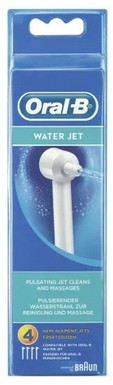
A water flosser uses a controlled jet of water to help remove food debris and may help loosen plaque from between teeth and around the gumline. Depending on the model, it may also be useful around:
- braces
- crowns
- bridges
- implants
- retainers
- other dental work
Many people choose a water flosser because it feels gentler than string floss, especially if their gums are sensitive or if traditional interdental cleaning feels awkward.
Who is a water flosser best for?
A water flosser can be particularly useful for:
- people with braces
- people with bridges or implants
- users with sensitive gums
- anyone who finds string floss difficult to use
- people who want an easier way to clean around dental work
It can also be a good option for improving consistency. Some people simply use a water flosser more regularly than traditional floss because it feels easier and more comfortable.
What features should you look for?
Adjustable water pressure
One of the most important features is an adjustable pressure setting. Lower settings are useful for sensitive gums or beginners, while higher settings can suit users who want a stronger clean once they are used to the device.
Tip selection
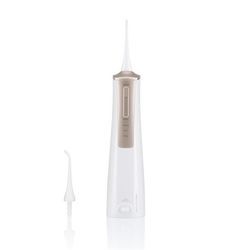
The type and number of interchangeable tips matter more than many buyers expect. Depending on the model, useful attachments may include:
- standard jet tips
- orthodontic tips for braces
- specialist interdental tips
- plaque-focused tips
- tongue-cleaning attachments
- gum-care tips
If more than one person in the household will use the device, check how many tips are included and whether replacements are easy to buy.
Tank size
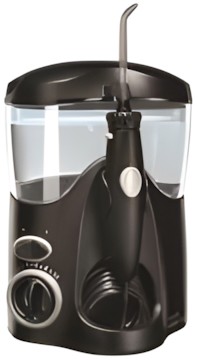
A larger water reservoir usually means a longer cleaning session without refilling, which is more convenient for home use. Smaller tanks can still be fine for lighter use or compact bathrooms, but they may need topping up more often.
Cordless or countertop design
There are two main formats:
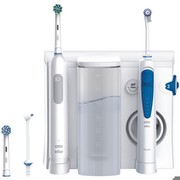
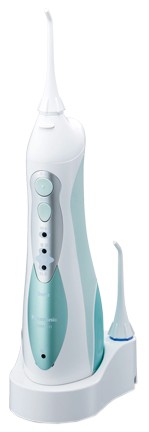
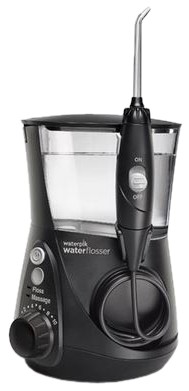
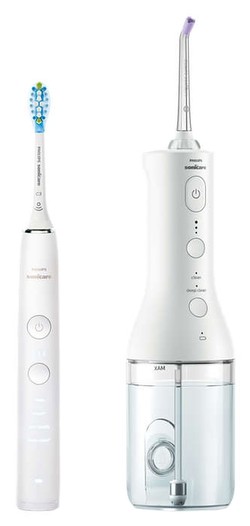
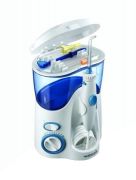
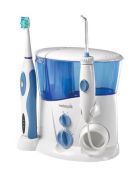
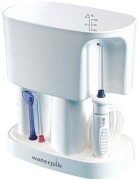
- countertop water flossers
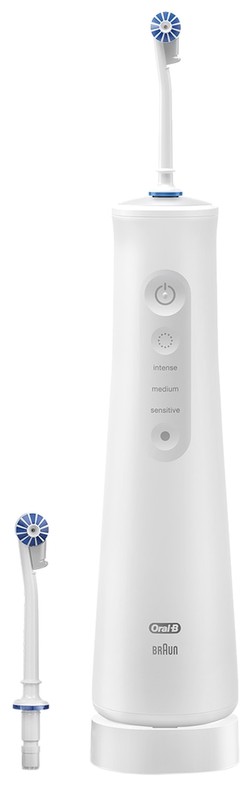
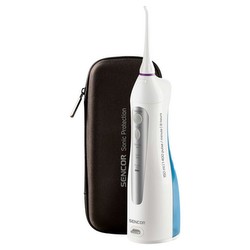
- cordless water flossers
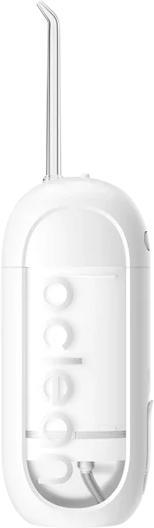
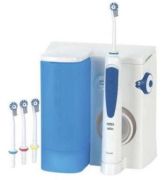
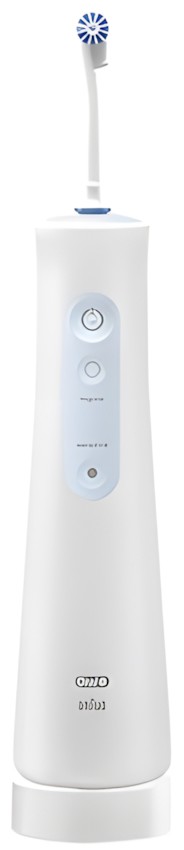
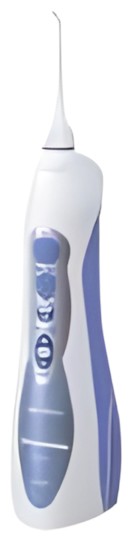
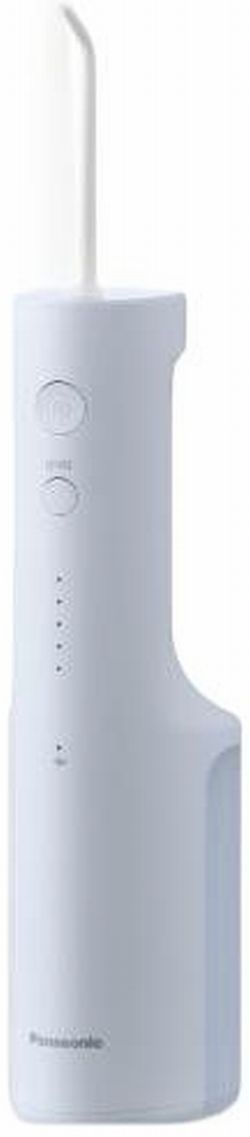
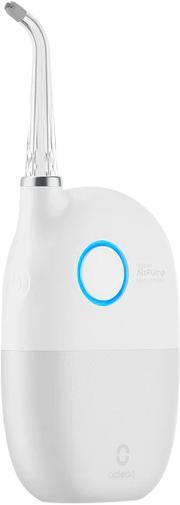
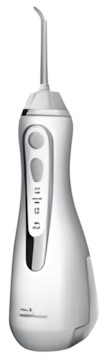
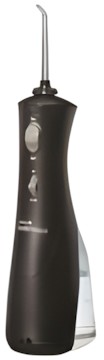
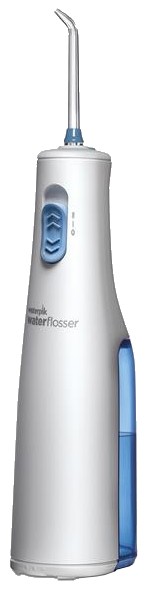
Countertop models often have larger tanks and can be better for regular home use. Cordless models are easier to store, neater in smaller bathrooms and more convenient for travel.
Charging and power
For UK buyers, it is worth checking whether the device comes with:
- a UK plug
- USB charging
- a charging dock
- battery operation suitable for travel
If you plan to keep it in the bathroom, make sure the charging and storage setup suits your space and routine.
Are extra technologies worth paying for?
Some water flossers promote features such as air-infused water or other branded cleaning systems. These can sound impressive, but the basics still matter most:
- pressure control
- comfortable handling
- tip quality
- tank capacity
- ease of cleaning
- reliability
It is usually better to buy a well-designed flosser with practical features than to focus too heavily on marketing terms alone.
Can you use mouthwash in a water flosser?
Some models allow diluted mouthwash or certain approved rinses, while others are designed mainly for water only. This varies by manufacturer, so it is important to check the instructions before using anything other than plain water. Using the wrong liquid can damage the unit or create cleaning issues inside the system.
What makes a water flosser easy to live with?
Ease of use matters just as much as cleaning performance. Helpful features include:
- simple pressure controls
- easy-fill reservoir design
- comfortable grip
- straightforward cleaning of the tank and tips
- tidy tip storage
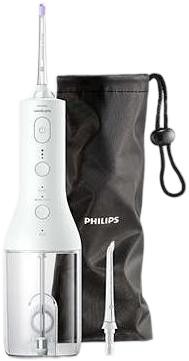
- travel pouch or case for portable models
If you travel often, a cordless model with compact storage can be especially useful.
Is a water flosser worth buying?
A water flosser can be a worthwhile buy if you want an easier way to clean between teeth and around the gumline, particularly if you have braces, implants or other dental work. For many users, the main benefit is not that it replaces every other cleaning method, but that it may make interdental care easier to keep up with every day.