




















Buy electric toothbrush: consumer tips

It removes plaque between the teeth and deep below the gum line, prevents gum inflammation, and removes discolouration. It also makes brushing easier. An electric toothbrush is especially recommended for patients with gum recession or those who have difficulty with brushing technique. Overall, however, they are more expensive than manual toothbrushes in terms of purchase and maintenance costs (replacement brush heads).
What types of electric toothbrushes are there?
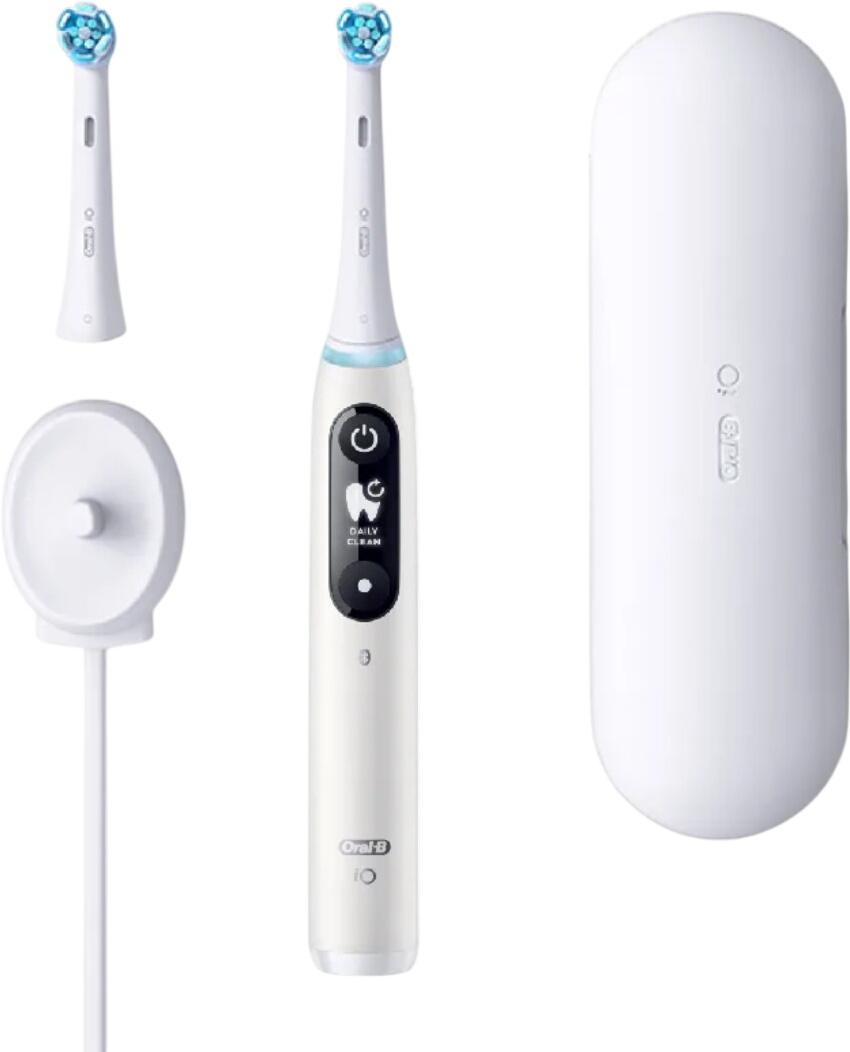
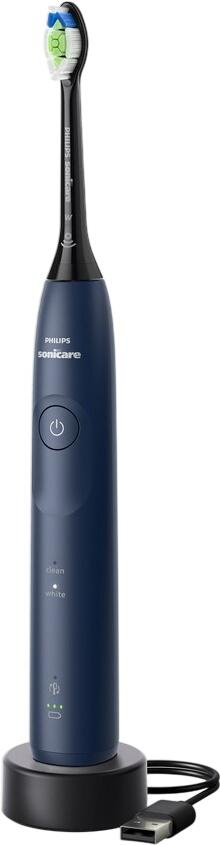
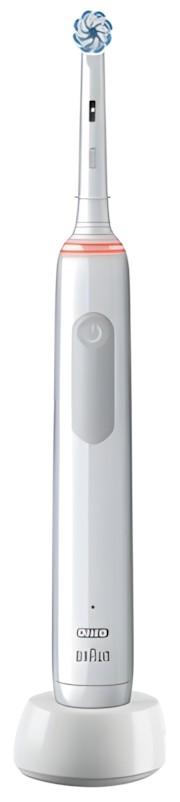
In principle, there are oscillating and sonic toothbrushes. The oscillating toothbrushes have a small, round brush head that rotates back and forth. The small brush head allows for cleaning hard-to-reach areas, but only one tooth can be brushed at a time, and it requires more time. The operation is also not entirely straightforward, as the smaller bristle area requires more conscious brushing than with other toothbrushes. Improper handling can lead to gum injuries and even gum recession. An advancement of the electric toothbrushes are sonic or ultrasonic toothbrushes. They do not operate with a conventional electric motor but with sound energy in the high-frequency range, making them ten times faster than an oscillating toothbrush and a hundred times faster than a manual toothbrush, with 30,000 movements per minute. They are called so because their rapid vibration produces an audible, quiet sound. The vibration is not liked by all users, as it can cause a strong tingling sensation in the mouth. Compared to rotating-oscillating brushes, sonic toothbrushes are less demanding in use. The brush head and brushing technique resemble those of manual toothbrushes, making incorrect technique virtually impossible. The vibrations support the mechanical cleaning performance of the bristles on the tooth surface. While the larger brush head allows for cleaning more than one tooth, hard-to-reach areas can only be brushed with difficulty.
What should you consider when buying an electric toothbrush?
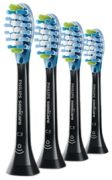
First, consciously decide between an oscillating or a sonic toothbrush. Also consider follow-up costs, durability, and availability of replacement brush heads when purchasing. In general, the higher the frequency of the toothbrush, the more effective the cleaning. However, this also depends on how far the brush head moves per vibration. For good cleaning performance, an amplitude of 3 to 4 mm should be achieved. Choose between battery and rechargeable operation. Battery devices are often cheaper but usually less powerful than rechargeable devices. For rechargeable devices, not only the runtime should be considered, but also that the battery is replaceable, so you do not have to replace the handle or even the entire device just because the battery is defective. Overall, the toothbrush handle should have a suitable thickness to fit well in the hand. Slightly angled handles help reach the back molars. A timer emits a signal when the teeth have been brushed for a certain time and is useful for maintaining the optimal brushing time, which should be at least five minutes. Users with sensitive gums should pay attention to medium-soft to soft bristles that are closely spaced and rounded. Additional protection is offered by electric toothbrushes with a pressure control that can be activated, warning the user when too much force is applied to the teeth.