




Newly Added Products

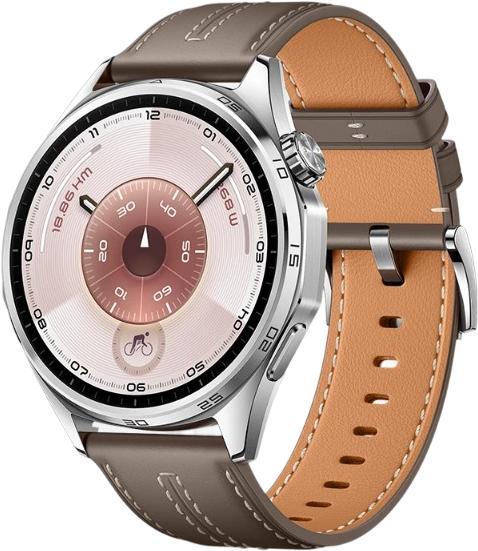
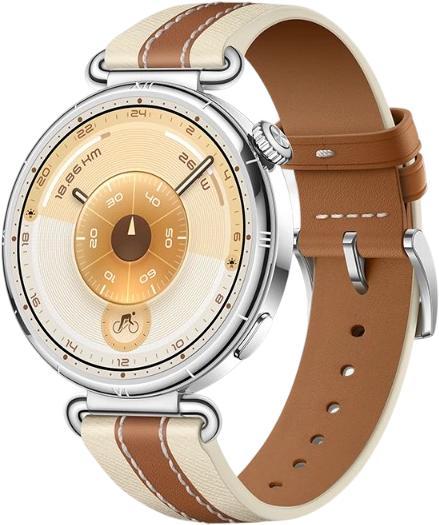
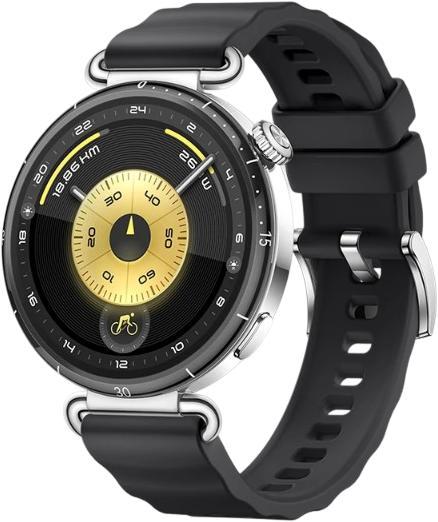
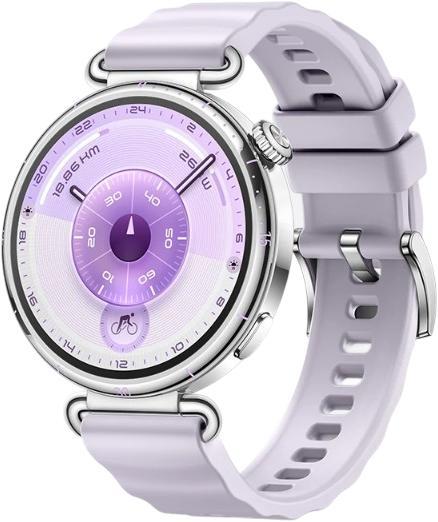
Smartwatches: Consumer tips
What can a smartwatch do?
Most modern smartwatches combine everyday convenience with health and activity tracking. Depending on the model, common features include:
- Notifications for calls, messages and apps
- Workout and activity tracking
- Heart rate monitoring
- Sleep tracking
- Built-in GPS
- Contactless payments
- Music controls
- Voice assistants
- Fall detection or safety features on selected models
- Optional LTE or mobile connectivity on some versions
Many watches also support contactless payment in shops through services such as Apple Pay, Google Wallet or Garmin Pay, provided the watch, phone, bank and card are all supported in the UK. This can be very convenient for quick purchases without needing to take out your phone or wallet.
Health and safety features can vary a lot by brand and model. Some watches offer ECG, blood oxygen tracking and advanced running or recovery metrics, while others focus more on general wellness and daily activity goals.
Battery life: it varies
Battery life is no longer something that can be summarised as “about one to two days”. Smartwatch battery life varies hugely depending on brand, operating system, screen type, GPS usage and whether the watch prioritises smart features or endurance.
As a broad guide:
- Apple Watch and many Wear OS watches often need charging daily or every couple of days, depending on use
- Garmin watches often last much longer, especially fitness and outdoor-focused models
- Huawei watches are also often stronger on battery life than many app-heavy smartwatch rivals
If long battery life matters to you, it is worth treating it as a major buying factor rather than assuming all smartwatches perform similarly.
Which smartwatch operating systems matter?
The main platforms to know are:
- watchOS for Apple Watch
- Wear OS for many Android-focused smartwatches, including current Samsung models
- Garmin’s own platform
- Huawei’s own smartwatch software ecosystem
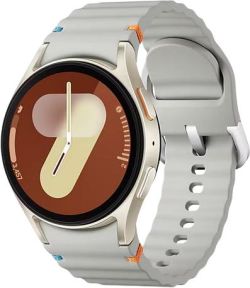
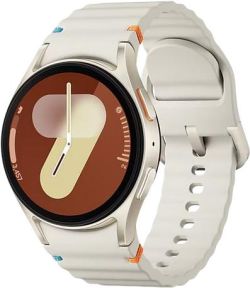
Smartwatches from Samsung
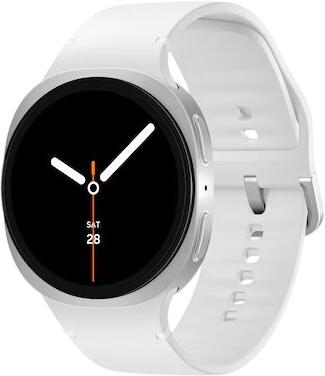
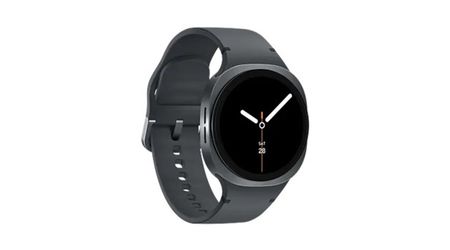
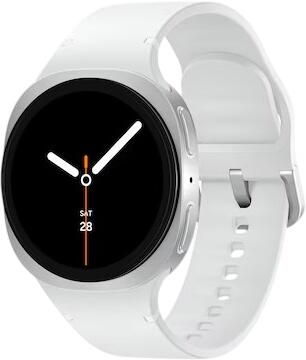
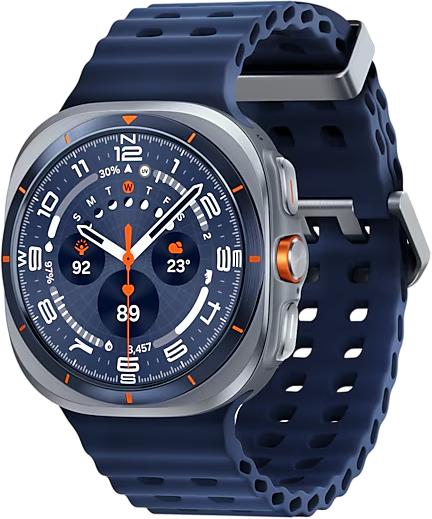
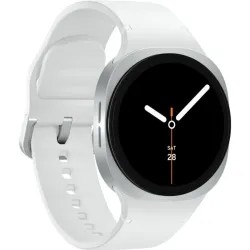
Samsung remains one of the strongest options for Android users, especially for people already using a Galaxy phone. Its smartwatches combine mainstream smartwatch features with health tracking, strong displays and broad app support through the current Wear OS platform, customised with Samsung’s own interface.
Samsung watches typically offer:
- Bright, high-quality displays
- Strong integration with Android, especially Galaxy devices
- Health features such as heart rate tracking and sleep monitoring
- Workout tracking for a wide range of activities
- Contactless payments and app support
- Bluetooth, Wi‑Fi and LTE options on selected models
Battery life varies by model and usage, so it is better to compare specific watches than assume every Samsung model lasts several days in the same way.
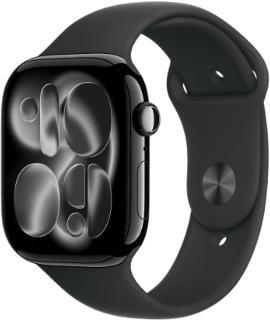
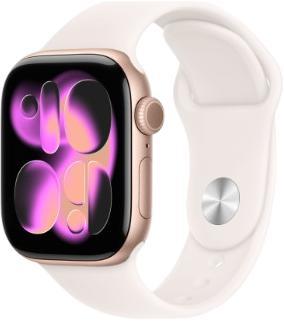
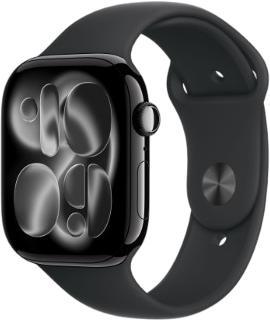
Smartwatches from Apple
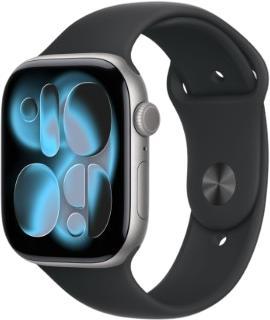
The Apple Watch remains the default choice for iPhone users. If you use an iPhone and want the best app support, the smoothest integration and the broadest mainstream smartwatch ecosystem, Apple Watch is still the strongest fit for most people.
Apple Watch models are known for:
- Excellent iPhone integration
- Smooth notifications and communication features
- Strong app support
- Reliable fitness tracking
- Health and safety features on supported models
- Apple Pay
- A wide range of straps and case finishes
Battery life depends on the model, usage and whether you choose a standard or more adventure-focused version. It is best not to treat one quoted figure from a single Apple Watch model as a universal benchmark for the whole range.
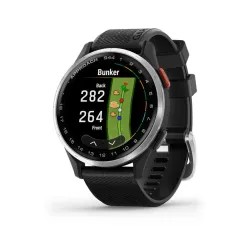
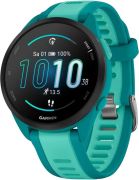
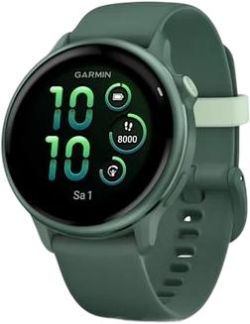
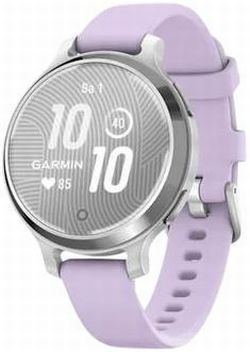
Smartwatches from Garmin
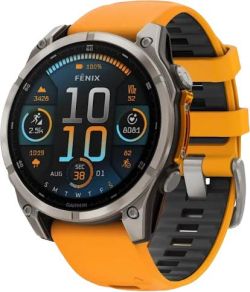
Garmin is one of the best options for people who care more about fitness, endurance and outdoor tracking than about running lots of third-party apps. It is especially strong for runners, cyclists, hikers, gym users and multi-sport athletes.
Garmin watches are well known for:
- Long battery life
- Strong GPS tracking
- Detailed training and recovery data
- Sport-specific features
- Robust outdoor-oriented designs on many models
- Garmin Pay on supported models
Its main ranges include:
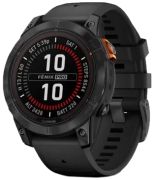
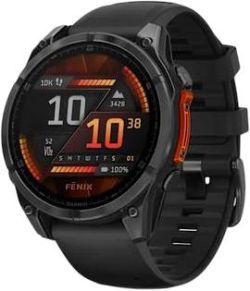
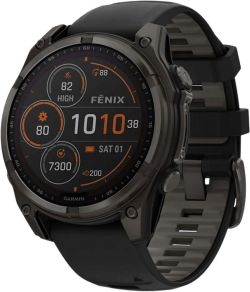
- Fenix for premium outdoor and multi-sport use
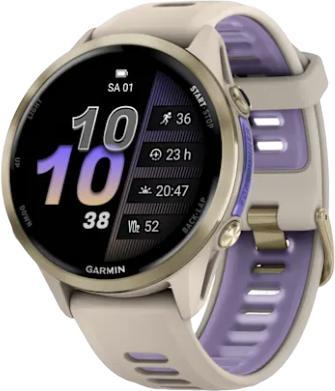
- Forerunner for runners and triathletes
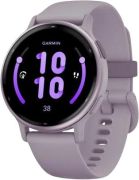
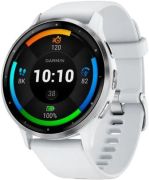
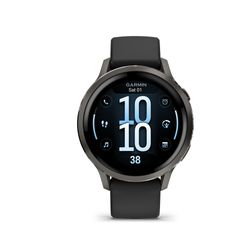
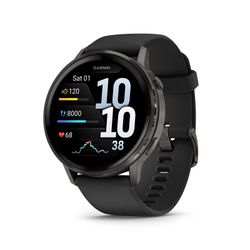
- Venu for a more lifestyle-focused design with smartwatch appeal
- Vivoactive for general fitness and everyday use
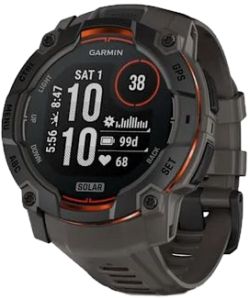
- Instinct for durability and outdoor use
If your priority is training insight and battery life rather than the richest app ecosystem, Garmin is often a better fit than a typical smartwatch-first brand.
Smartwatches from Huawei
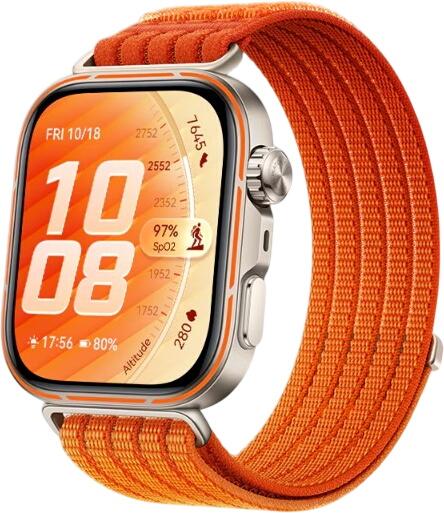
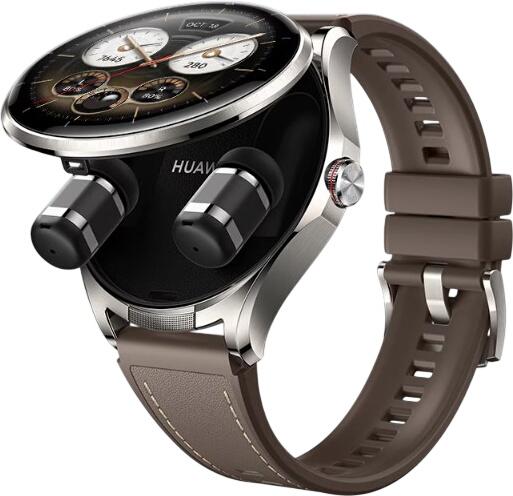
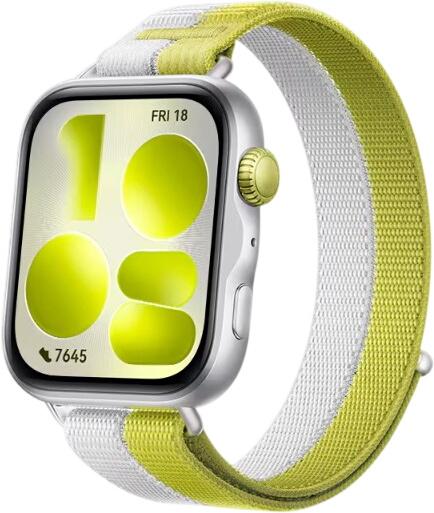
Huawei smartwatches are often appealing for buyers who want good battery life, attractive hardware and solid health tracking without charging every day. They are available in both sporty and more classic-looking designs, and many models use bright AMOLED displays that are easy to read outdoors.
Huawei watches typically focus on:
- Long battery life
- Stylish design
- Heart rate, sleep and SpO2 tracking
- Fitness and wellness features
- Straightforward everyday smartwatch functions
However, compatibility should not be treated too broadly. Huawei watches can work with both Android and iPhone in many cases, but feature support, app experience and ecosystem integration can vary by phone platform, device region and model. It is worth checking the specific functions you care about before buying, especially if you use an iPhone or rely on certain apps. Payment support and app availability can also vary depending on UK bank support, retailer version and phone setup.
What should you consider before buying a smartwatch?
1. Your phone matters first
The best smartwatch is often the one that works best with your phone:
- iPhone users are usually best served by Apple Watch
- Android users have a wider choice, including Samsung, Garmin and Huawei
2. Decide whether you want smartwatch features or sports features
Some watches are strongest for:
- Notifications
- Apps
- Calls
- Contactless payment
- Voice assistants
Others are stronger for:
- Training metrics
- Route tracking
- Battery life
- Outdoor durability
3. Think about charging tolerance
If you dislike charging another device every day, battery life should move much higher up your priority list.
4. Check health features carefully
Not every smartwatch offers the same level of health tracking, and not every feature works the same way in every region or with every phone. In the UK, some functions such as payments, LTE connectivity and selected health tools may depend on local bank support, mobile network support or device-region settings.
5. Choose the right size and style
Case size, strap comfort and display shape make a real difference because a smartwatch is worn all day, not just used occasionally.